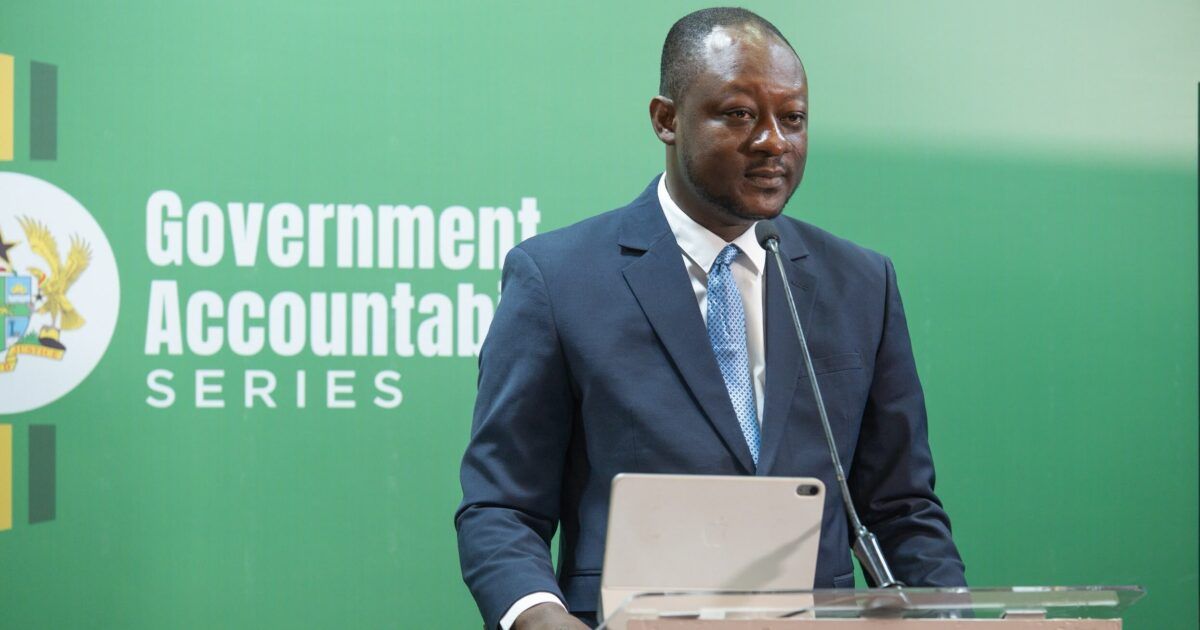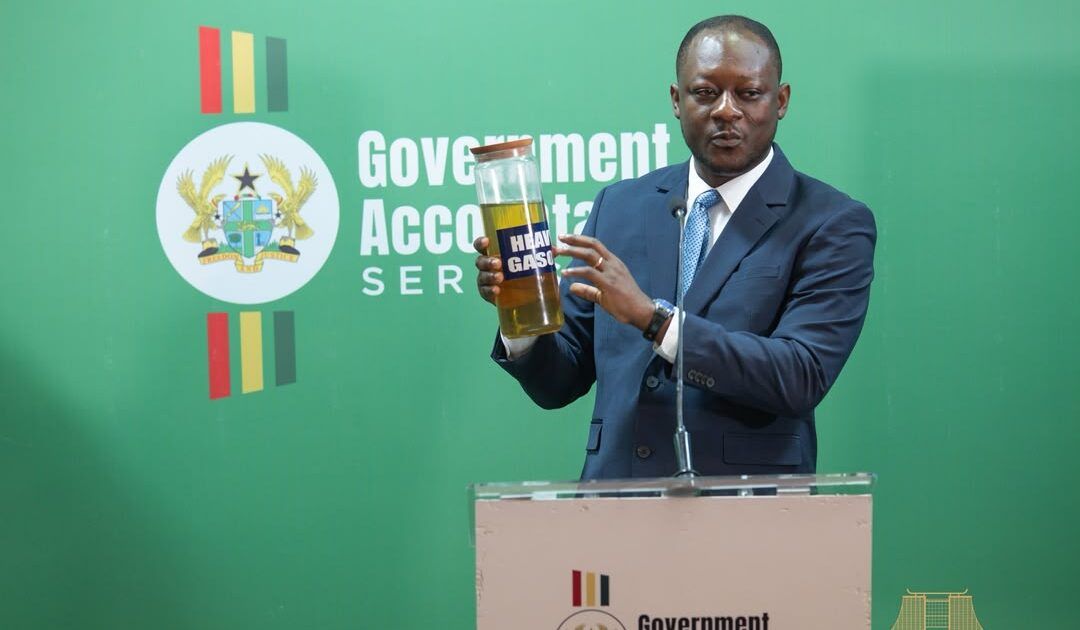
The Tema Oil Refinery (TOR) has announced that its debt burden has been cut from $650 million to about $300 million under a restructuring programme supported by the Energy Sector Levies Act (ESLA). Managing Director Mr Edmond Kombat revealed the reduction as part of a broader effort to restore the refinery’s financial viability.
Mr Kombat said TOR has also settled its exposures to four banks and that the restructuring and infrastructure investments were aimed at positioning the refinery to operate more efficiently and sustainably, reducing its reliance on state support while strengthening its contribution to Ghana’s downstream petroleum sector.
He recounted that when the National Democratic Congress government handed over TOR to the New Patriotic Party administration in January 2017, the refinery was operational and had processed about five million barrels of crude in 2016, with about two million barrels remaining in storage at the time of handover. Key infrastructure and equipment had been secured, including the offshore mooring facility, into which approximately $90 million in capital was injected in March 2017, as well as a new furnace and boiler to support continued operations.
Mr Kombat noted that by the time the current management took office in 2025, TOR’s position had deteriorated. The company had accumulated losses of about GH¢10 billion, and its debt had risen from $300 million in 2016 to about US$517 million. The Crude Distillation Unit (CDU) had been out of operation since April 2021 and the Residue Fluid Catalytic Cracking (RFCC) Unit had been shut down since 2019. These major units had not received the required maintenance, and TOR had been reduced largely to renting out storage space to petroleum service providers instead of carrying out its core mandate.
Mr Kombat reiterated that the refinery had not filed audited financial statements for six consecutive years, 2019 to 2024, and that it owed GH¢200 million to the Ghana Revenue Authority and GH¢20 million to SSNIT, in addition to amounts owed to the Electricity Company of Ghana, the Ghana Water Company and GH¢190 million in outstanding obligations to staff provident fund, retirees and resignees. The refinery was several years delinquent in statutory payments, and staff morale was low with more than 300 petitions over delayed promotions awaiting review.
He said TOR also owed other commercial entities and state‑owned companies including Ghana National Petroleum Corporation (GNPC) and the Volta River Authority (VRA). By the end of 2024, TOR had negative equity of GH¢7.6 billion and was on the verge of being sold or leased for $21 million.
Since May 2025, under President John Dramani Mahama’s Reset Agenda, management has taken steps to rebuild the company from within, beginning with people and stronger cash controls. They reviewed outstanding promotion petitions, extended operating hours at the loading gantry, improved cash controls and accountability in product handling, and worked to restore confidence and win back private petroleum companies and regional partners to store and lift products at TOR.
These measures form part of Project Restore TOR, a broader recovery programme to return the refinery into operations, improve its financial position and prepare it for long‑term sustainability. Mr Kombat reiterated that the rehabilitation and restart of the CDU is the immediate operational priority, with a Turnaround Maintenance Committee constituted and the work funded solely from TOR’s IGF and carried out by TOR’s engineers and technicians.