In Mumbai, Mansi Kadam begins her day making vada pav, insisting on Tata salt for the snack’s authentic taste. Her loyalty mirrors a broader question: can Tata’s revered brand remain untouched by a public battle over power, governance and control?
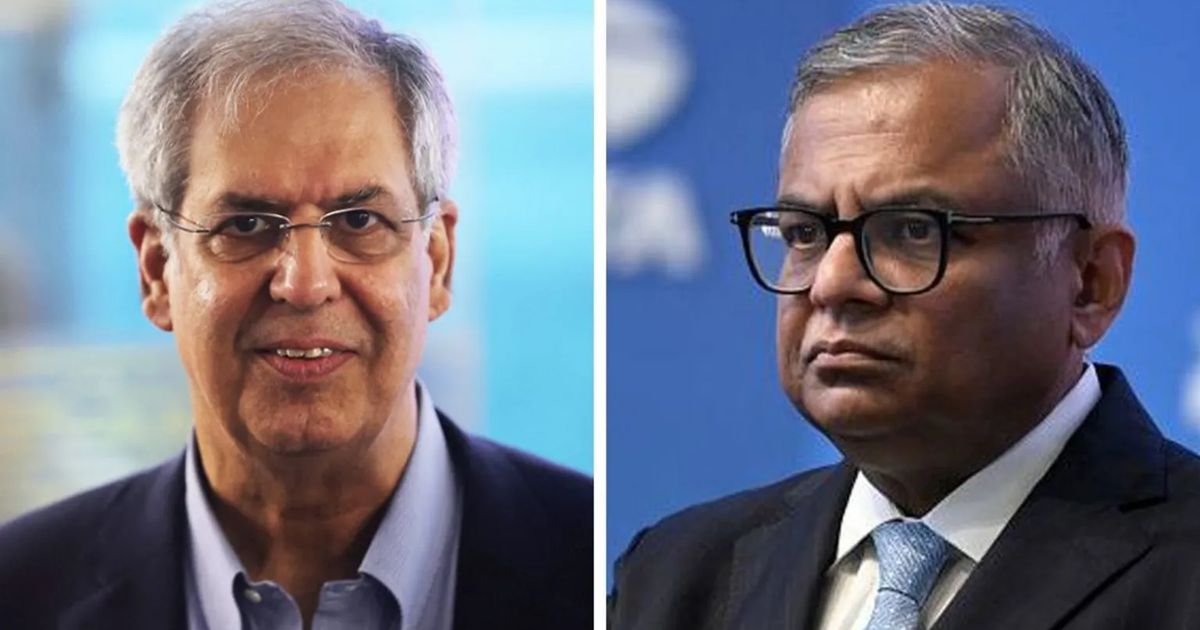
A recent disagreement between Tata Sons, the holding company of the Tata Group, and Tata Trusts, its principal shareholder, has spotlighted the conglomerate. The dispute centers on two issues: the proposed public listing of Tata Sons and the reappointment of chairman N Chandrasekaran. Most of the Tata Sons board, including its biggest minority shareholder SP Group, backed the decisions, while Noel Tata, chairman of the majority‑shareholding Tata Trusts, opposed both.
Noel Tata argues that a public listing would dilute the group’s philanthropic ethos and that the resolutions would likely be overturned at the annual general meeting. Shriram Subramanian, head of independent corporate governance firm InGovern Research, told the BBC that the situation is a “governance crisis” stemming from a misalignment of interests between the board and shareholders.
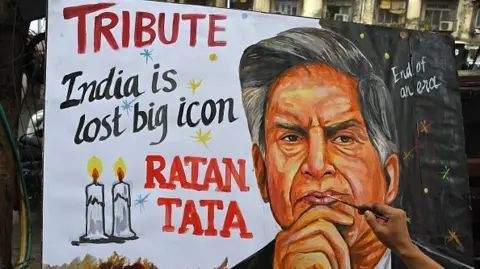
While the brand’s image may not be immediately affected, experts warn that the leadership’s ability to navigate the challenges could be compromised. The disagreement has simmered since the death of former chairman Ratan Tata in 2024, leaving a leadership void in the group’s public image. The Tata Group has topped India’s most valuable brand list since 2018, yet the split between Tata Sons and Tata Trusts is now under strain.
Business partners, investors and employees are polarised. Some see it as corporate power politics; others view it as a genuine governance debate. The group’s traditional low‑profile approach to philanthropy and conflict resolution has been tested, and the dispute has brought the Tatas into conversations everywhere, a departure from their usual preference for staying out of the spotlight.

Founded in 1868, the Tata Group has a market value of over $260 bn and employs hundreds of thousands across more than 100 countries. It has faced controversies before, from industrial protests to disputes over telecom spectrum and high‑profile legal battles. The current feud marks a new chapter in the conglomerate’s long history of governance challenges.
What follows will be the AGM’s outcome and how the group manages the split between its holding company and majority shareholder. Stakeholders will watch closely to see if Tata can preserve its trusted brand amid this internal clash.