Ghana’s Museums and Monuments Board publicly admitted in May 2024 that inadequate funding is undermining its ability to conserve artefacts and monuments and to run educational programmes. The admission comes amid a tourism sector that generated about US$4.8 billion in 2024 and attracted 1.31 million international arrivals in 2025.
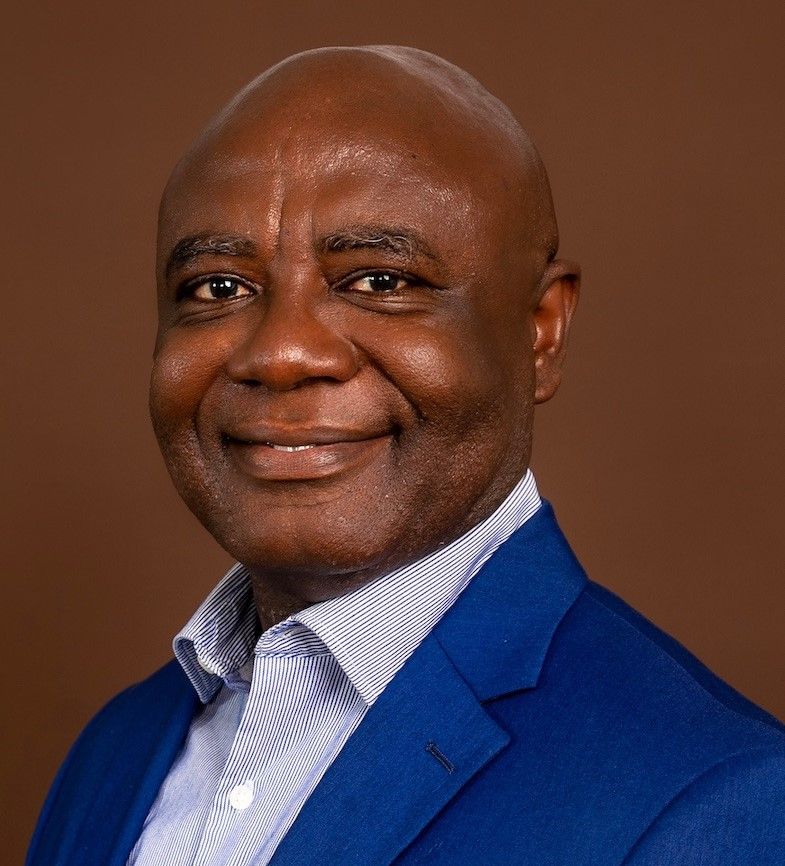
Ingenious engineer and heritage advocate Ing. Prof. Douglas Boateng warned that a nation which celebrates tourism receipts while neglecting the monuments that attract visitors is quietly consuming its own future earnings. He called for an integrated heritage corridor linking Accra, Cape Coast, Elmina and Kumasi, with trained guides, reliable transport and a clear flow of revenue from visitors to the sites themselves.
Similar challenges are seen abroad. South Africa’s Robben Island museum recorded a surplus of R32.1 million in the 2023/24 financial year, yet its management warned that conservation funding remained insufficient and ferry capacity was constrained by weather. The lesson is that even world‑famous heritage sites can struggle when operating revenue, infrastructure and conservation needs are not properly aligned.
In Ghana, responsibility is shared between the Museums and Monuments Board and the Ghana Tourism Authority, which administers the Tourism Development Fund. The fund is financed largely through a 1 percent levy paid by patrons of specified tourism enterprises and is intended for promotion, infrastructure and capacity building. However, questions remain about how much the fund collects each year, how much is disbursed and what share reaches conservation rather than marketing or administration.
International support cannot fill the gap. UNESCO’s World Heritage Fund has a budget of roughly US$7.3 million for 2026‑2027 for the entire world, and Ghana’s cumulative approved assistance is about US$316,794 across 12 requests. Recognition from abroad is welcome, but responsibility remains at home.
Experts urge that the money collected in the name of tourism be scrutinised to ensure that a meaningful portion reaches the historical assets that make tourism possible. Failure to do so risks the erosion of sites that are not only cultural treasures but also key drivers of Ghana’s tourism economy.