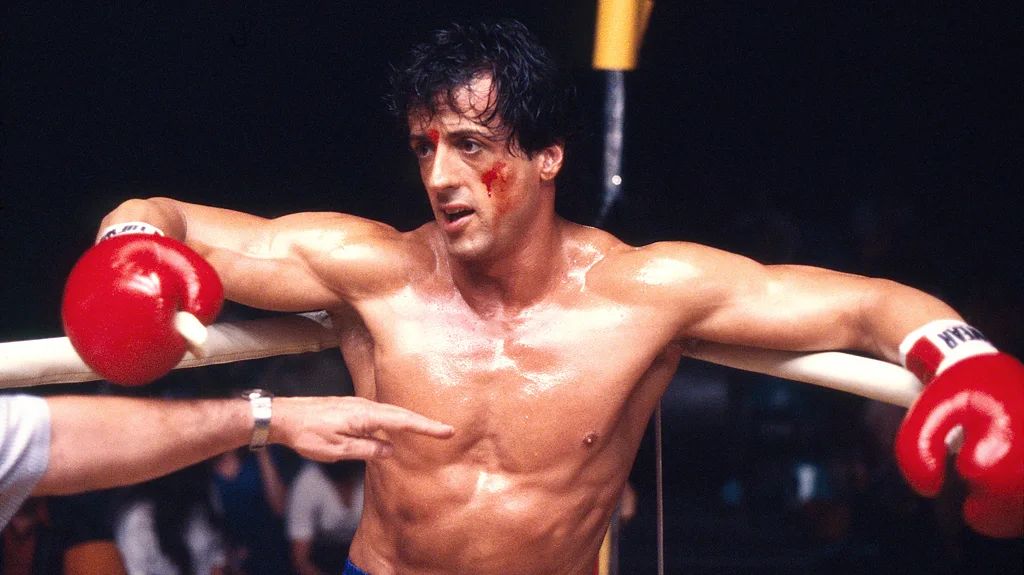
Sylvester Stallone is the face of the iconic 1976 boxing drama Rocky, but the story behind the film is a lesser‑known saga of rejection and determination. In the early 1970s, a young Stallone was living on the streets of New York with only his dog Butkus for company, juggling auditions and long hours gutting fish to survive.
During this period he recorded his voice to work on a speech impediment caused by a forceps delivery at birth. Frustrated by being typecast and ignored by Hollywood, he began writing screenplays, hoping to create roles that reflected his own struggles. In I Play Rocky, directed by Peter Farrelly, the film follows Stallone’s move to Los Angeles, the sale of his dog, and the drafting of the Rocky script in just three days.
Despite offers from United Artists to sell the script for up to $360,000—provided a star like Burt Reynolds or Ryan O’Neal took the lead—Stallone refused to let anyone else play Balboa. He insisted on portraying the character himself, even though the budget was only about $1 million, a fraction of the producers’ original request.
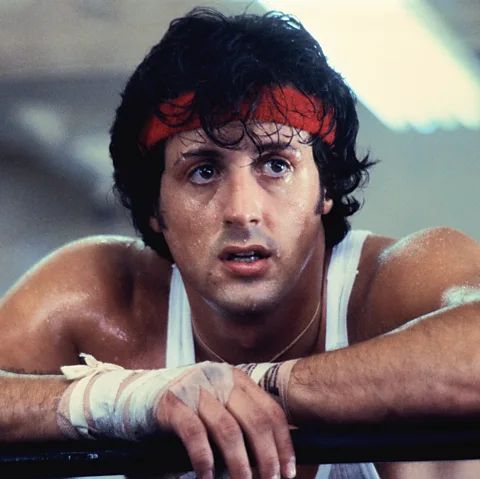
“It was a total miracle this film got off the ground,” says Nick de Semlyen, editor of Empire. “He was absolutely broke and overnight he went to being the hottest thing in Hollywood and at the Oscars.”
Filming took 28 days, with most scenes shot in a single take to cut costs. Stallone even damaged his knuckles to create the memorable frozen meat punch scene. Though the studio initially did not promote the film aggressively, word of mouth and audience reactions turned it into a cultural phenomenon.
At the 1977 Oscars, Rocky earned ten nominations, winning three including Best Picture. Stallone received nominations for Best Actor and Best Original Screenplay. The film spawned a franchise, with Stallone directing several sequels and the recent Creed spin‑offs starring Michael B. Jordan.

In his memoir The Steps, Stallone writes, “I couldn’t possibly be the only person out of billions of people to feel like they were living life in desperate frustration because the door of golden opportunity had been shut in their face over and over.”
Anthony Ippolito, who portrays the young Stallone in the biopic, notes the parallels: “Of course there are differences, because Stallone was and is a very talented writer. He reads a lot and is more of a thinker than Rocky perhaps appears in the film. But it’s semi‑autobiographical in a lot of ways.”
Stallone’s journey from homelessness to Hollywood legend remains a testament to resilience. The story continues to inspire aspiring actors and writers who face rejection, proving that an underdog can rise to the top with perseverance and a bold vision.