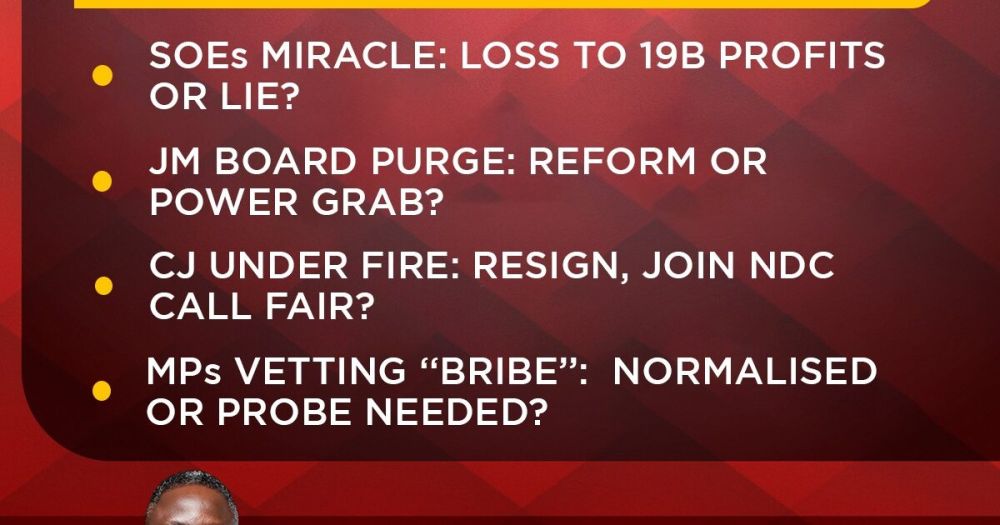
Ghana’s state‑owned enterprises (SOEs) posted a net profit of GH¢19.8 billion in 2025, up from a GH¢2.2 billion loss the year before, according to figures released by the government. The turnaround has been attributed to higher revenues, lower finance costs and improved foreign‑exchange performance.
Despite the headline figures, critics question why the government has received only a fraction of the profit in dividends and whether a handful of high‑performing entities are inflating the aggregate. The performance of some SOEs remains chronically loss‑making, raising concerns that the overall improvement may mask underlying inefficiencies.
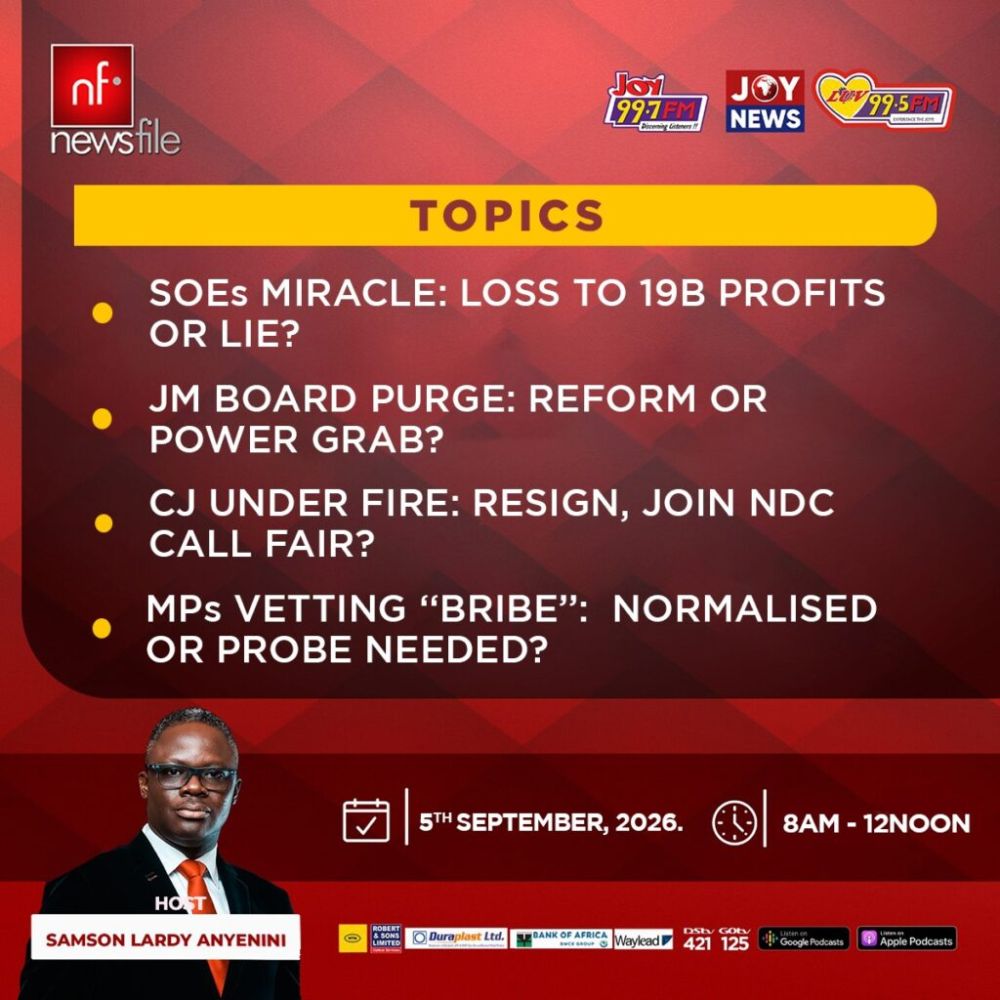
On the same day, President Mahama dissolved the governing boards of nine major state institutions, including BOST, VALCO, CBG, GNPC, Ghana Post, TDC and the National Sports Authority. The move, announced as a governance reset, may pave the way for changes in chief executive appointments.
Meanwhile, Chief Justice Paul Baffee‑Bonnie has drawn criticism for praising improvements in certain state entities during engagements with MIIF and SSNIT, with the opposition party accusing him of partisan commentary. The judiciary’s role in public discourse has been called into question as the Chief Justice’s remarks were seen by some as politically charged.
A separate controversy has emerged over a memorandum alleging that Asokwa MP and Deputy Minority Leader Patricia Appiagyei received GH¢70,000 in connection with the vetting of ministerial and Supreme Court nominees. Appiagyei has denied the allegations, and the Office of the Special Prosecutor has opened a preliminary investigation into the authenticity of the document and the alleged payment.
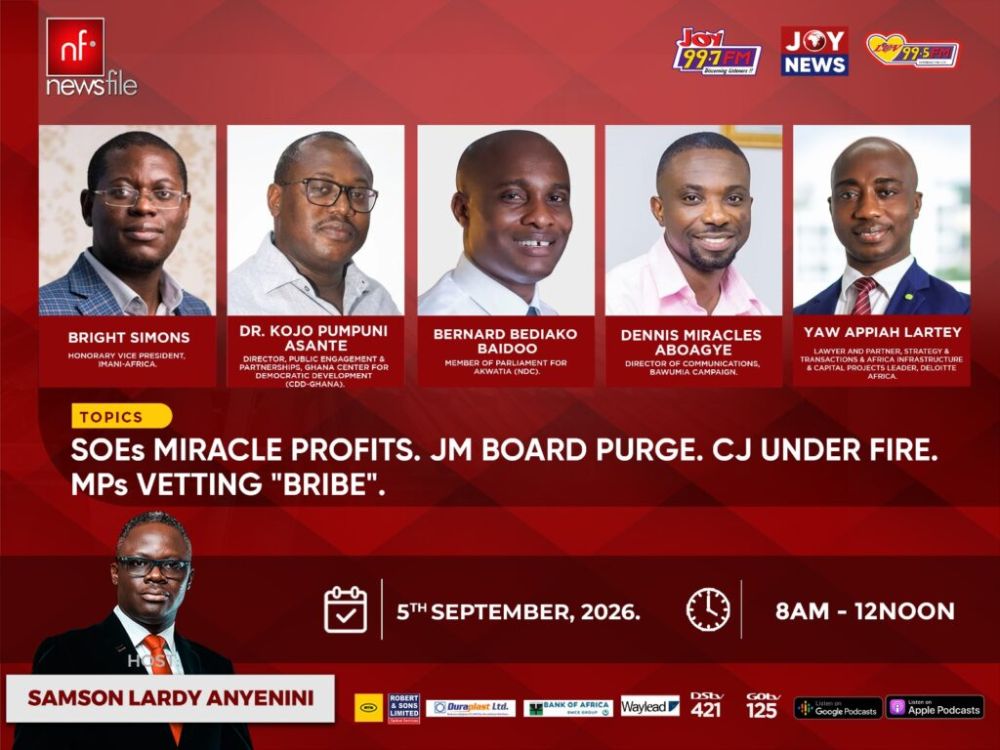
These developments converge on a central question: are Ghana’s state institutions genuinely becoming more efficient and accountable, or are we merely changing the people at the top and celebrating headline numbers? The government’s reshaping of SOE leadership, the judiciary’s public commentary, and parliamentary vetting controversies all point to a broader debate over institutional independence and transparency.
As the investigation into the memorandum proceeds and the new board appointments take effect, observers will watch closely to see whether reforms translate into sustained performance gains and restored public trust.