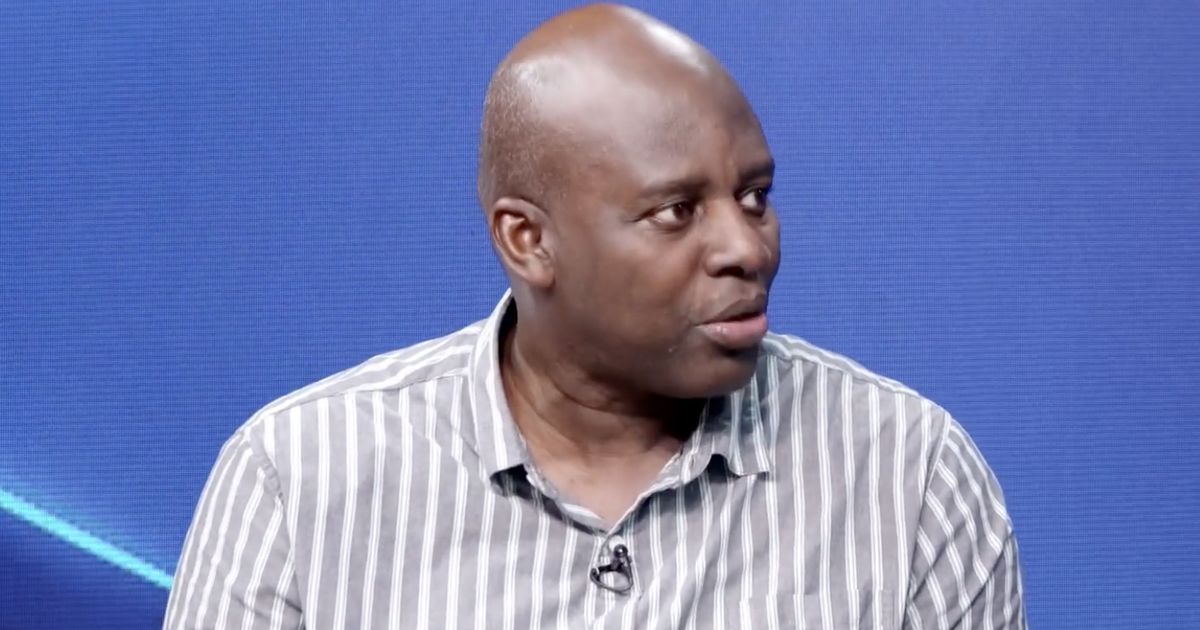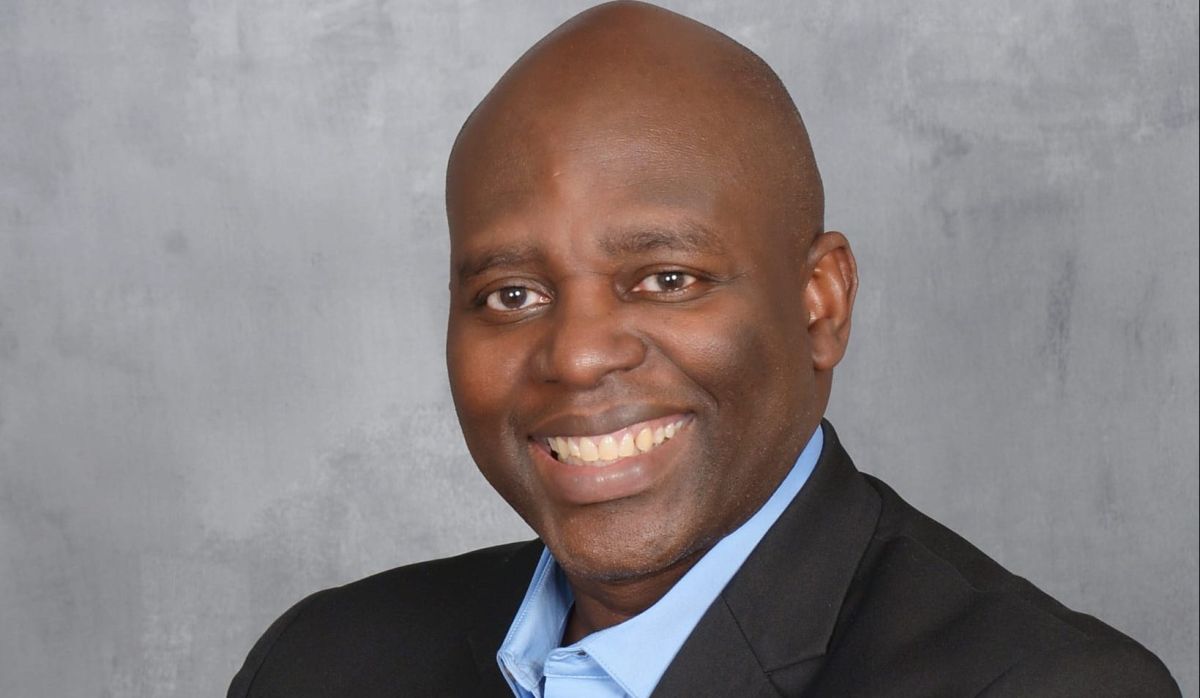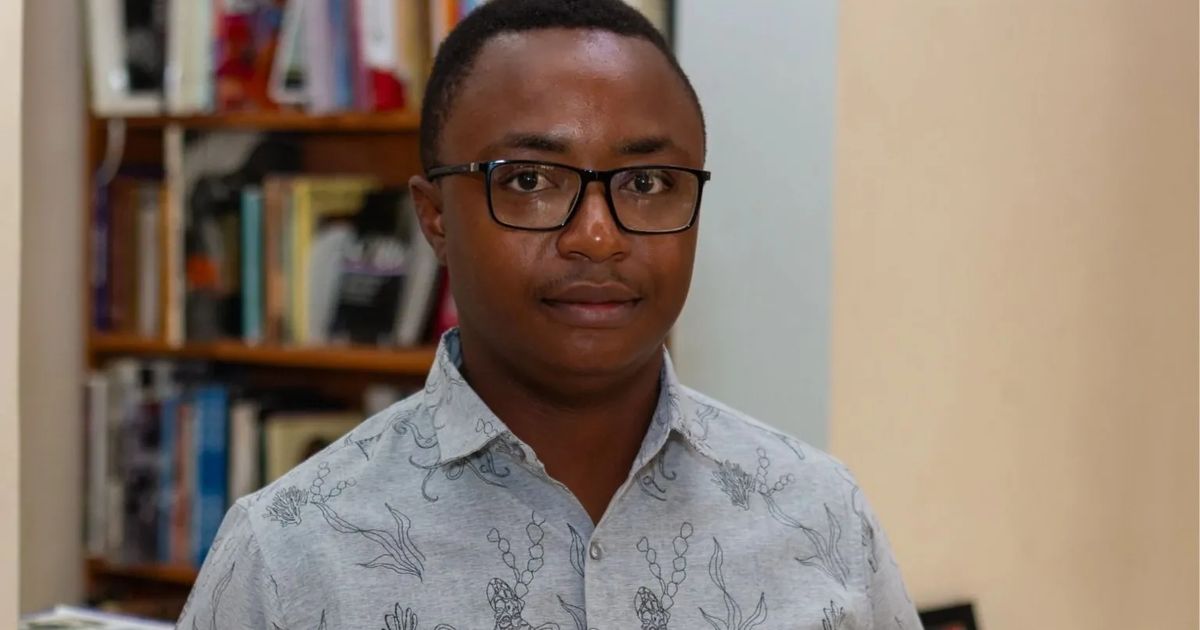
Zimbabwean writer Simbarashe Kundizeza has publicly denied that artificial intelligence helped craft his short story that earned the 2026 Caine Prize for African Writing. The claim comes a week after he won the £10,000 award, following an article in The Atlantic that used AI‑detection software Pangram to label his work as entirely machine‑generated.
In a statement posted on X, Kundizeza wrote, “For the avoidance of doubt, I wrote The Blue Fighter.” He added that he has a “concrete, documented history” of the story’s inspiration and a clear chronology of its development.
The accusation has ignited a social‑media backlash, with African writers and publishers accusing The Atlantic of “crazy, racist and wildly unethical” reporting. Nigerian publisher Modupe Daramola warned that AI allegations are “targeting Black and African writers” and are often scrutinised disproportionately.
Ellah Wakatama, chair of the Caine Prize board, told the BBC that she was shocked the U.S. magazine had not waited for a full investigation before publishing. She said the prize’s internal review would include Kundizeza’s drafts and that conversations were underway with all judges and the Shallow Tales Review, the 2025 publisher of the story.
Wakatama also noted that while AI tools like Pangram are not yet tested, they should be used only as an initial flag for further inquiry. “I am not happy for the work of writers, especially Black writers, to form the testing ground for something that is at best still rough and ready,” she said.
Vara, the author of The Atlantic piece, acknowledged that AI detectors can misclassify human writing. She cited a study from the Free University of Brussels that found Pangram and other tools incorrectly flagged English writing by non‑native speakers.
In response, Kundizeza said, “To suggest that a writer cannot write in different styles or genres, or improve his writing substantially after five or more years fundamentally misunderstands the craft of writing.” He also noted that the story’s inspiration came from a poem read by South African Vangile Gantsho at a Ghana event last year and personal experiences from 2002 Zimbabwe.
The debate highlights growing concerns over the reliability of AI‑detection software in literary circles and the broader issue of how Black authors are scrutinised in the digital age. The Caine Prize will continue its investigation before any final decision is made.