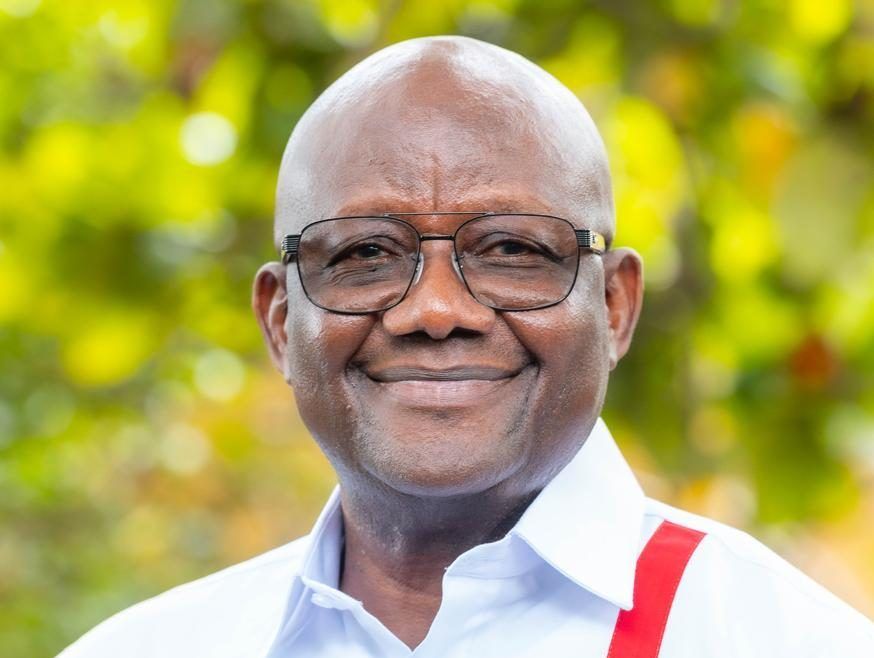
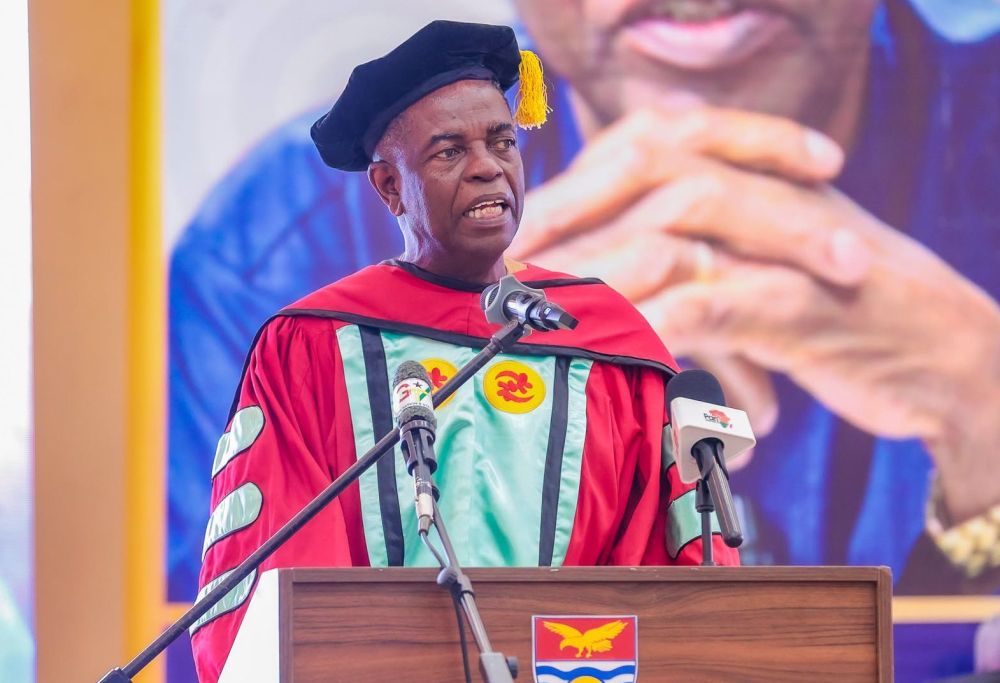
Veteran journalist Kwesi Pratt Jnr delivered the 15th Kwame Nkrumah Memorial Lecture at the University of Cape Coast on Saturday, urging Ghanaians to draw lessons from Dr. Kwame Nkrumah’s Seven‑Year Development Plan (1963‑70) to address the nation’s persistent economic woes.
The lecture, held under the theme “Kwame Nkrumah yesterday, today and tomorrow: Perspectives on constitutionalism, development and Pan‑Africanism,” highlighted the plan’s long‑term vision and its deliberate investment in infrastructure, education, energy, industry and social services.
Pratt noted that the plan was one of the most comprehensive attempts by a post‑independence government to transform Ghana’s colonial economic structure and lay the groundwork for economic independence, despite the challenges it faced.
He outlined six key pillars of the plan: state‑led industrialisation, economic diversification, agricultural modernisation, infrastructure development, human capacity building and an African economic purpose. “Nkrumah recognised that political independence without transforming the colonial economic structure would remain incomplete,” Pratt said, citing Ghana’s continued dependence on cocoa, gold, timber and other raw materials and the importation of manufactured goods.
“Second was economic diversification. Ghana’s heavy dependence on cocoa exposed the country to fluctuations in world commodity prices. Industrialisation was intended to reduce this vulnerability, create employment and retain more value within the national economy,” Pratt added.
Pratt also highlighted the plan’s emphasis on modern agriculture as a source of food, industrial raw materials, employment and export revenue. He praised major infrastructure projects such as the Akosombo Dam, the Volta River Project, Tema Harbour, roads, electricity, Tema Township and industrial estates as foundations for productive economic activity.
Education and human capacity were also central, with the expansion of primary, secondary, technical and university education. “This point is especially significant at the University of Cape Coast,” Pratt said, noting the institution’s origin as part of Nkrumah’s effort to train educators for Ghana’s expanding school system.
Pratt stressed that the Seven‑Year Plan linked Ghana’s development to the wider economic advancement of Africa, reflecting Nkrumah’s Pan‑African agenda. He acknowledged the plan’s challenges—collapsed cocoa prices, rising external debt, shortages, inflation and weaknesses in state administration and finance.
“The correct lesson is not to abandon national planning or industrialisation, but to combine them with stronger management, accountability, technological competence, realistic sequencing and disciplined evaluation,” Pratt said.
Rejecting claims that Nkrumah destroyed the economy after taking office, Pratt argued that Nkrumah inherited a dependent commodity‑export economy and attempted to transform it, producing major national assets.
Pratt concluded that Ghana must revisit the Seven‑Year Development Plan’s principles and adapt them to contemporary realities, combining state planning with robust governance and technological innovation to achieve sustainable growth.