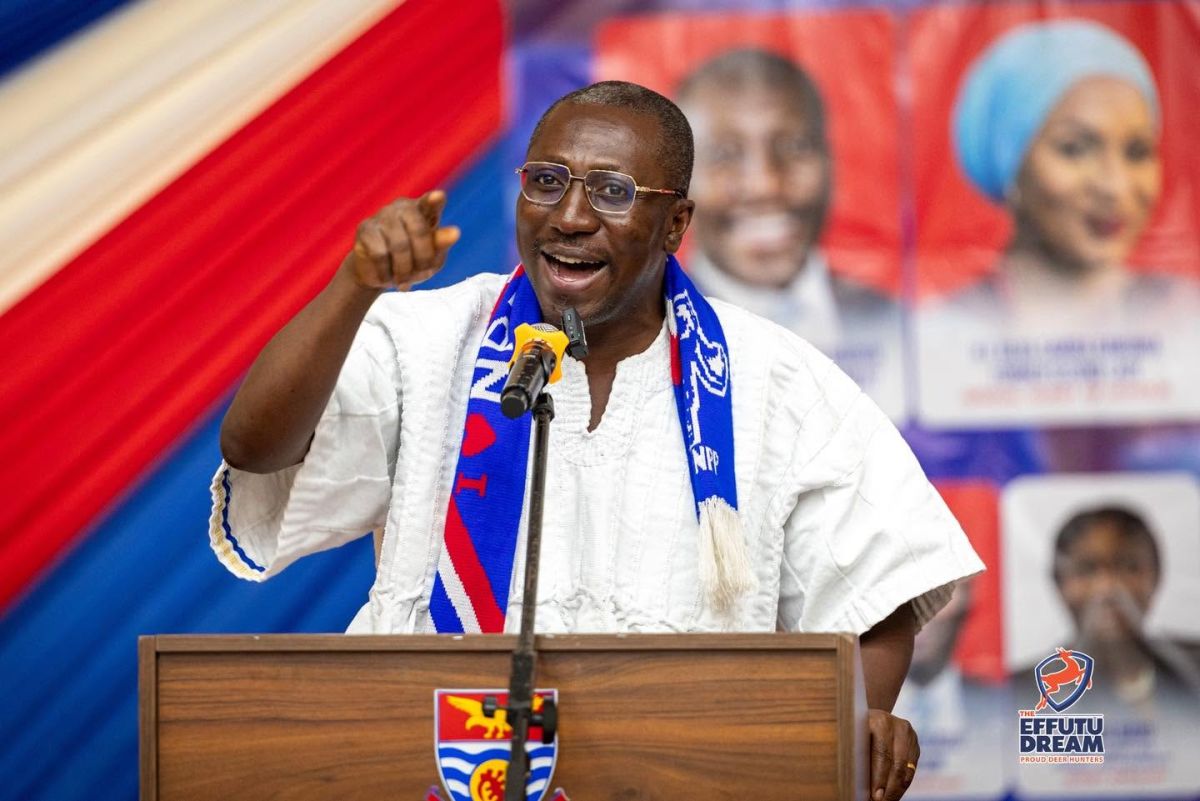

On 30 September 2026, the Ghana Law Society (GLS) convened its maiden Annual Bar Conference in Accra, themed “Legal Reforms: The Place of the Ghanaian Lawyer”. The event was launched by Honourable S.K. Alban and attracted lawyers from across the country.
While the conference was a platform for discussing reforms, the real conversation that followed was about representation. In Ghana, the Ghana Bar Association (GBA) is enshrined in the Constitution, with nine references that grant it seats on key bodies such as the Judicial Council and the General Legal Council. Membership of the GBA is treated as automatic for every admitted lawyer, a practice that has raised questions about choice and freedom of association.
Critics argue that a single, constitutionally mandated body removes the essential check of member exit. Without the ability to walk away, leaders may feel insulated, leading to higher dues, less accountability, and a single voice that can be co-opted by political interests. They point to the fact that the Constitution’s Article 21(1)(e) guarantees “freedom of association, which shall include freedom to form or join trade unions or other associations, national and international, for the protection of their interest” – a freedom that is limited when only one body is recognized.
In January 2026, the Constitution Review Committee recommended removing direct references to the GBA from the Constitution and replacing them with neutral wording, allowing Parliament to decide how the profession’s representatives are chosen. This proposal has been taken to the Supreme Court, where the GLS, led by Honorable Rockson‑Nelson Dafeamekpor and Mr. Israel Tetteh, has filed a suit against the Attorney‑General and the GBA.
Proponents of a single bar argue that unity could streamline advocacy and protect the profession’s interests. Opponents, however, cite the experience of Ghana’s teachers, who choose among unions like GNAT, NAGRAT, and CCT‑GH, yet still unite for collective action when needed. They contend that pluralism encourages innovation, accountability, and a more representative voice for lawyers of all backgrounds.
As the legal profession waits for the Supreme Court’s decision, the debate underscores a broader question: should the profession be bound to a single body, or should lawyers retain the right to choose their professional home?