President John Dramani Mahama told a citizens’ engagement session in the Upper West Region that the Cabinet has not approved any policy to introduce Chinese or Arabic as compulsory subjects in public schools. He added that he chairs Cabinet and that no such curriculum had been presented for approval.
Mahama raised a practical concern, noting Ghana already struggles to provide enough teachers for French, and questioning where the country would find sufficient teachers to teach Chinese. The comment comes after the education minister announced plans to add foreign languages, including Mandarin, to the senior high school curriculum, and after the National Council for Curriculum and Assessment officially launched a Mandarin curriculum.
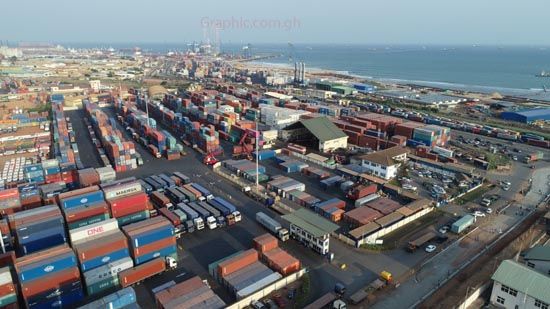
While the president’s remarks settle the procedural question, the policy question remains: should Ghana institutionalise Chinese language as part of its foreign‑language strategy? China is Ghana’s largest trading partner, and the two countries are deepening cooperation in education, manufacturing, investment and technology. Finance Minister Dr. Cassiel Ato Forson called for deeper Chinese investment in local processing and employment at the August 2026 Ghana‑China Joint Commission on Economic, Trade and Technical Cooperation.
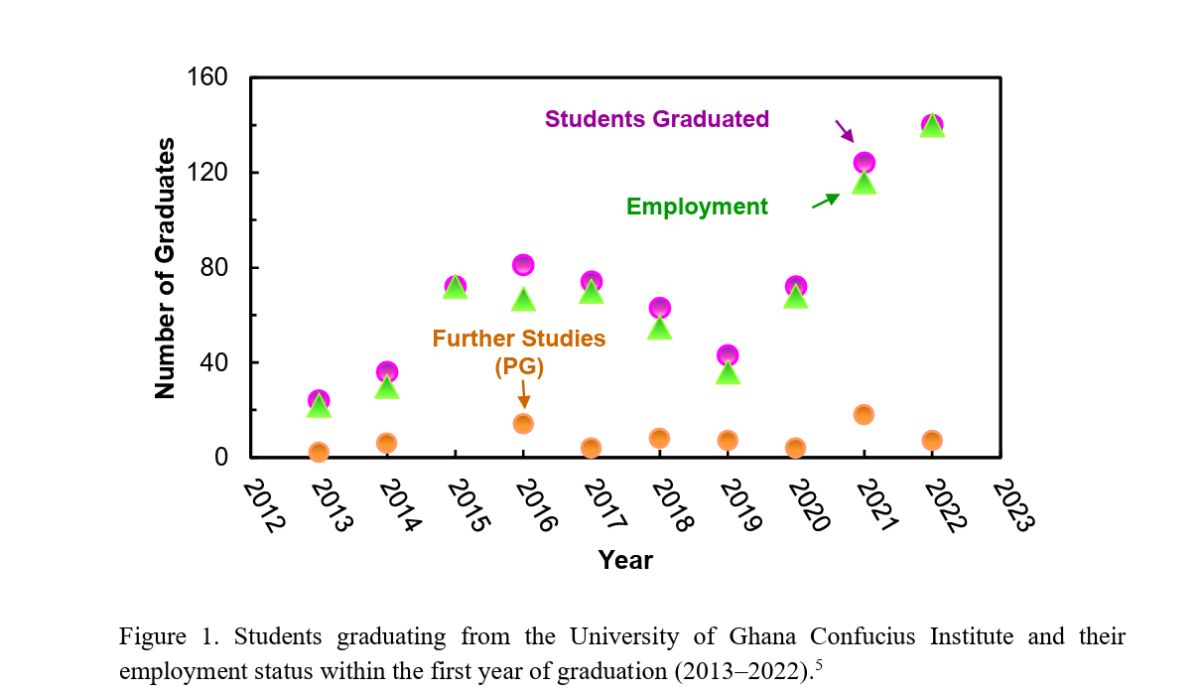
Language skills can be an additional labour‑market asset, especially for workers who interact with foreign companies. A recent study on the “Perceptions of Chinese Culture in Ghana” found that students with Mandarin proficiency have better employment prospects in their first year after graduation than the national average. The study also identified student mobility and exchange opportunities as key benefits of Mandarin education.
Proponents argue that Mandarin should not replace Ghanaian languages, English or French but rather add to a multilingual policy that balances foundational literacy, language preservation and global engagement. The debate now turns to how best to integrate Mandarin without compromising existing language objectives.
Observers will watch how the government proceeds, as the policy could reshape Ghana’s educational landscape and its economic ties with China.