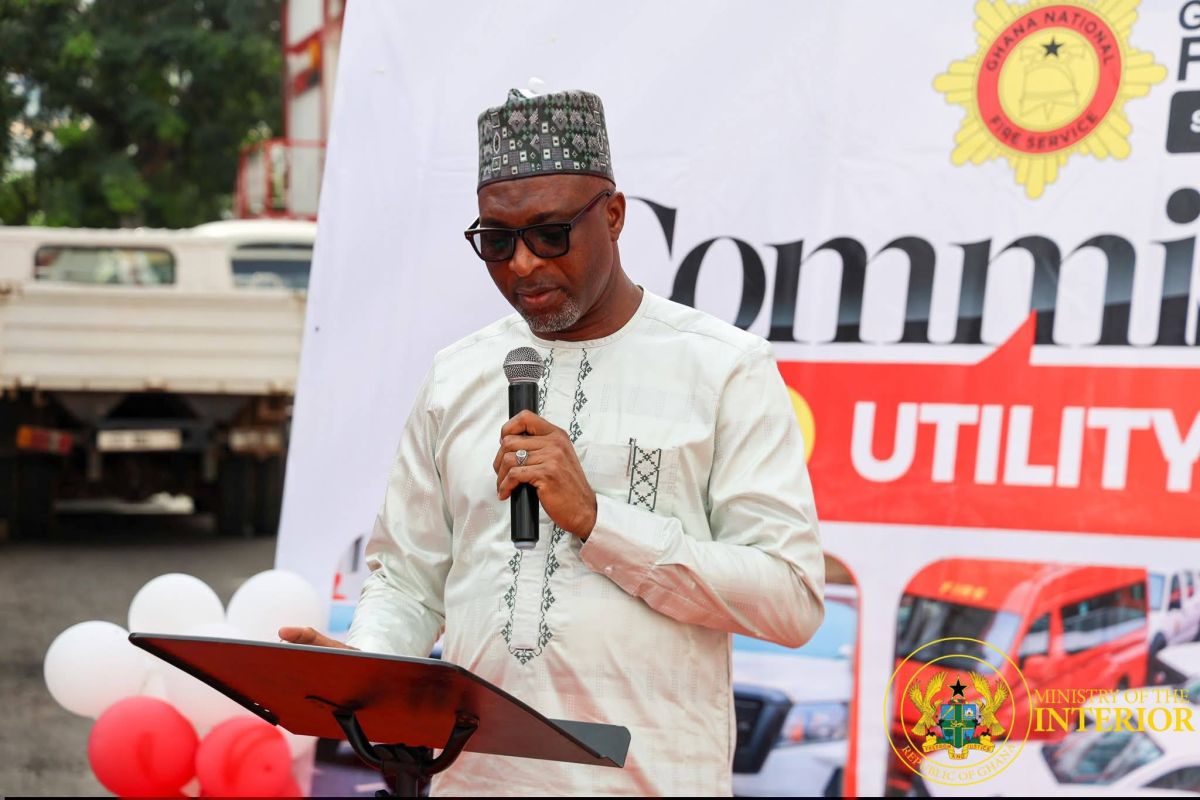
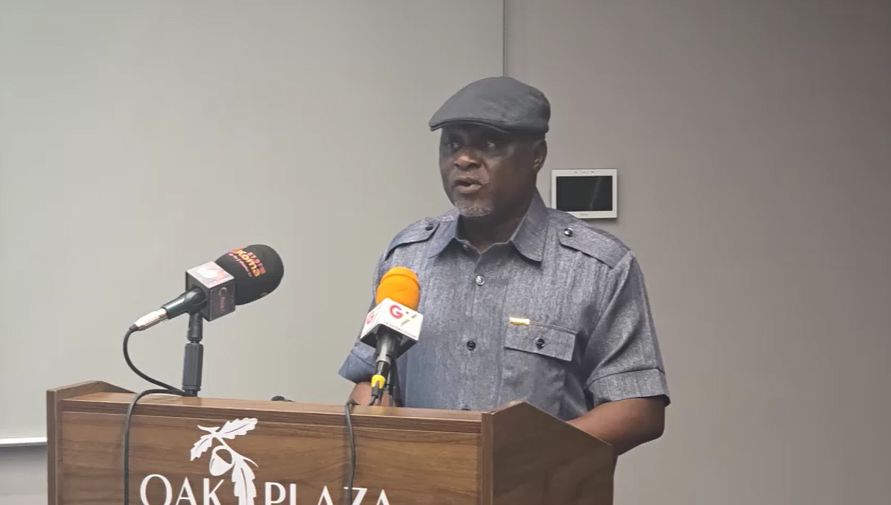
Deputy National Security Coordinator in charge of Operations, Major General (Rtd.) William Ayamdo, delivered a keynote at a High‑Level Training Programme on Ghana’s Security and Intelligence Agencies Act, 2026 (Act 1168) in Kumasi, Ashanti Region. He urged Metropolitan, Municipal and District Chief Executives (MMDCEs) to tighten coordination and information sharing with police, intelligence services, the Armed Forces and local authorities to pre‑empt security threats.
Ayamdo highlighted that many security challenges first surface at regional and local levels, making MMDCEs and Regional Security Councils (REGSECs) pivotal to the national security architecture. He said MMDCEs often receive early warning signs of tensions, disputes or potential security problems within their communities and must act promptly and report through established channels to prevent local issues from escalating.
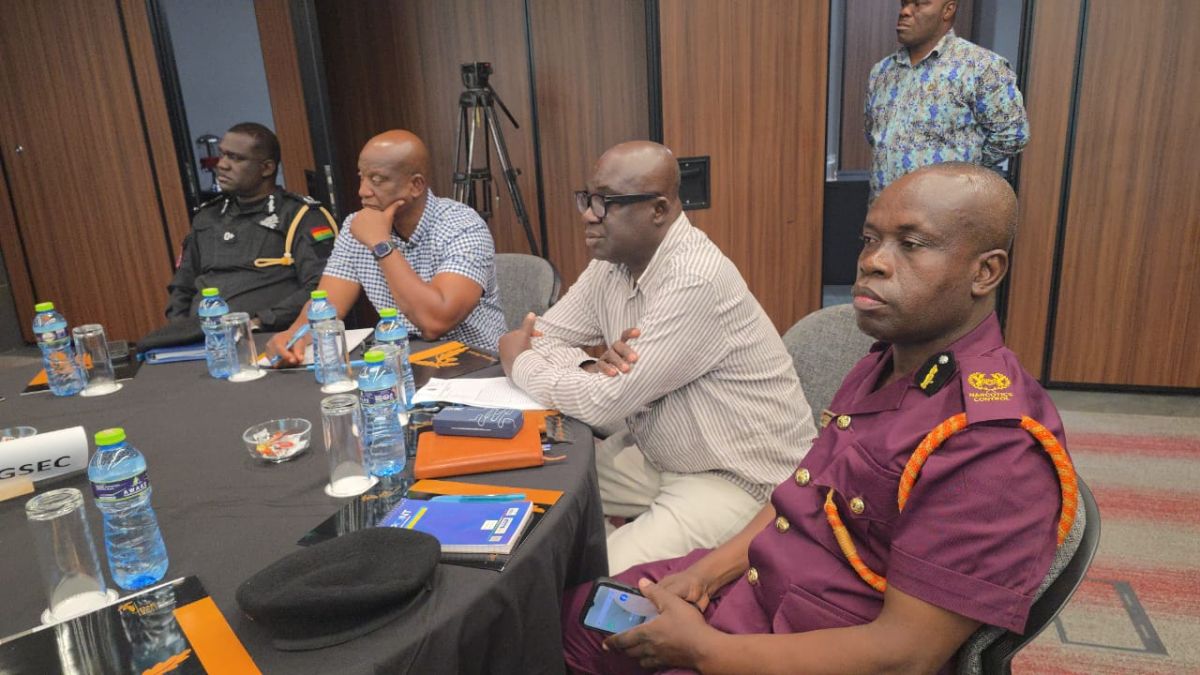
He stressed the value of integrating data from diverse institutions. "The intelligence services may have information that is relevant to the police or the Armed Forces. Municipal Chief Executives and District Chief Executives may have information from communities that is important to all these institutions. We must therefore bring these different pieces of information together," he said. Effective information sharing, he added, would help security institutions understand threats better, respond more quickly and avoid duplication and confusion.
Ayamdo warned that REGSECs must serve as early‑warning and preventive mechanisms, not just reactive responders. He noted Ghana’s security environment now includes traditional challenges—violent crime, land and chieftaincy disputes, communal tensions, smuggling and organised crime—alongside emerging threats such as terrorism, cybercrime, misinformation, transnational crime and critical infrastructure risks.
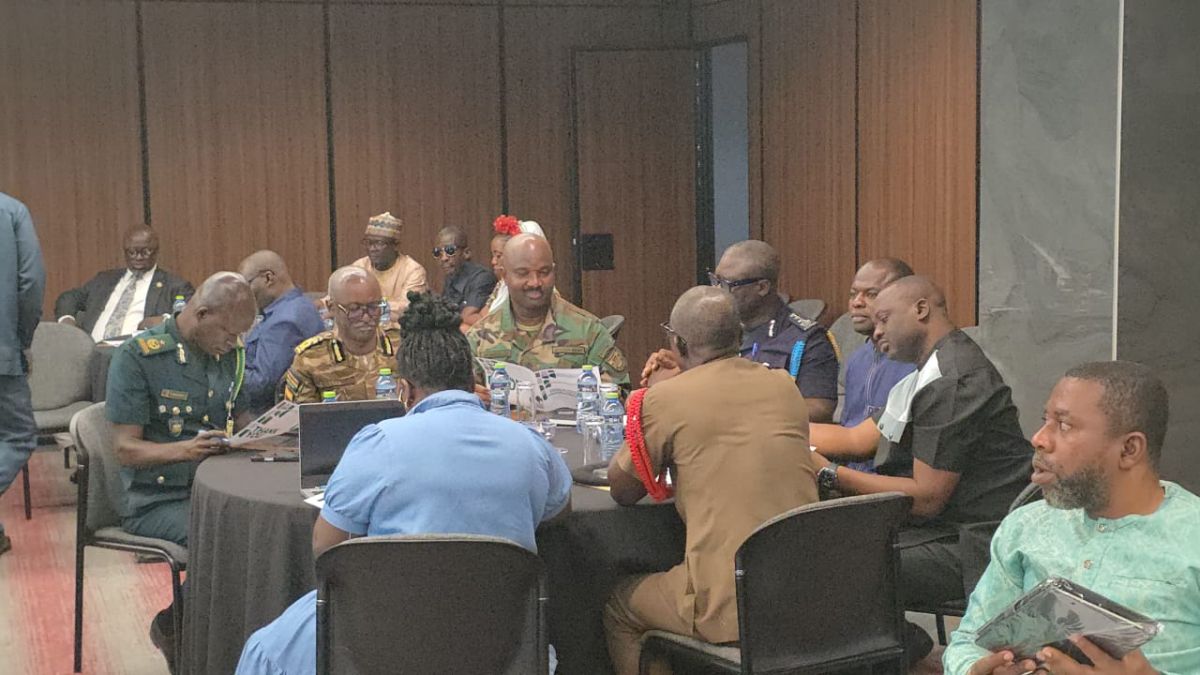
He urged MMDCEs to view themselves as integral parts of a unified national security system, fostering trust, professionalism, confidentiality and cooperation among all stakeholders. "When we come together, we must not see ourselves only as representatives of separate institutions. We are part of one national security system with a common responsibility to protect our people and our country," he said.
Ayamdo concluded that Ghana’s peace and stability require strong institutions, responsible leadership and effective collaboration between security and governance structures. He called for a proactive, coordinated, and preventive security system and encouraged participants to use the training programme to strengthen knowledge, improve coordination and enhance collective capacity to safeguard peace in the Ashanti Region and across Ghana.