In the Nabdam District of the Upper East Region, vegetable growers are feeling the sting of a sharp price drop that has hit tomatoes, peppers and okra hard. Over the past month, farmers have seen their earnings shrink as supply outstrips demand.
A market survey by the Daily Graphic at the three main Nabdam markets – Pelungu, Kongo and Zanlerigu – found that a bucket of tomatoes, once worth between GH¢120 and GH¢150 at the start of September, is now fetching only GH¢60 to GH¢70. A basin of tomatoes, previously priced at GH¢300 to GH¢350, has fallen to GH¢120–GH¢150.
Okra and fresh pepper have suffered similar losses. A bucket of okra, once about GH¢120, now sells for GH¢80, while fresh pepper buckets trade between GH¢100 and GH¢120, down from GH¢150–GH¢200 in September.
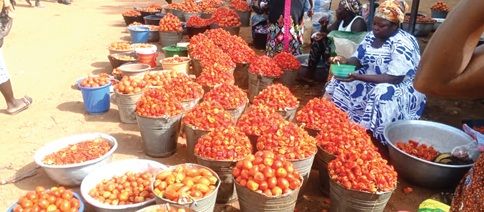
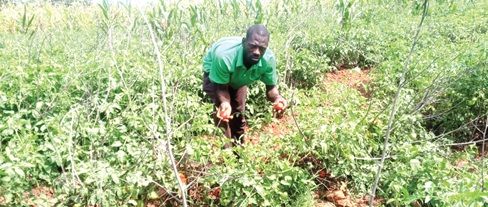
Farmers blame the glut for the slump, saying that the influx of produce has weakened their bargaining power. “We are not happy with the current prices, considering our expenses,” said tomato farmer Mboleni Zoya. “With tomatoes being perishable, we are forced to sell at whatever price we can when there is abundance.”
Another farmer, Samson Wougnab, added that the falling prices are discouraging and that they would struggle to break even if the trend continues. “We were happy when a bucket was around GH¢150 or above because that would have helped us cover our expenditure, but now we are not even breaking even with the current prices,” he said.
The cost of production remains high, with farmers citing labour, seedlings and fertiliser as major expenses. Wougnab noted that a bag of fertiliser can cost between GH¢450 and GH¢500, while a labourer earns GH¢70–GH¢80. “Imagine selling a bucket of tomatoes for GH¢60 or GH¢70 – we are losing a lot,” he said.
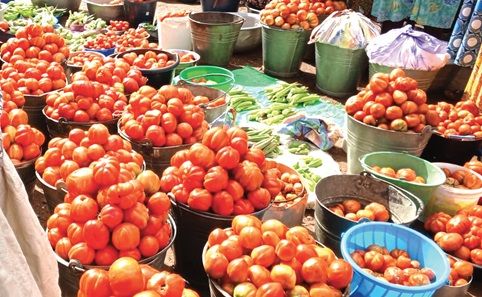
While farmers are worried, some food vendors and consumers welcome the lower prices. Vendor Ateni Ababila warned that price fluctuations make it hard to predict profit margins, but vendor Yenmah Mba said the drop has improved her margins and hopes the trend continues. A teacher customer also praised the price cuts, saying they allow people to buy more vegetables for less money.
The seasonal harvest in the Upper East Region usually ramps up from September, leading to increased supplies. Upper East Regional Director of Agriculture Alhaji Fuseini Zakaria explained that over 90 % of farmers rely on rain, causing them to plant simultaneously and creating the current glut. He urged support for mechanised boreholes to enable year‑round production and prevent future shortages.
As prices remain low, farmers are forced to sell quickly, often before noon, to avoid spoilage. The situation highlights the delicate balance between supply, cost and income for smallholder vegetable growers in Ghana’s northern region.