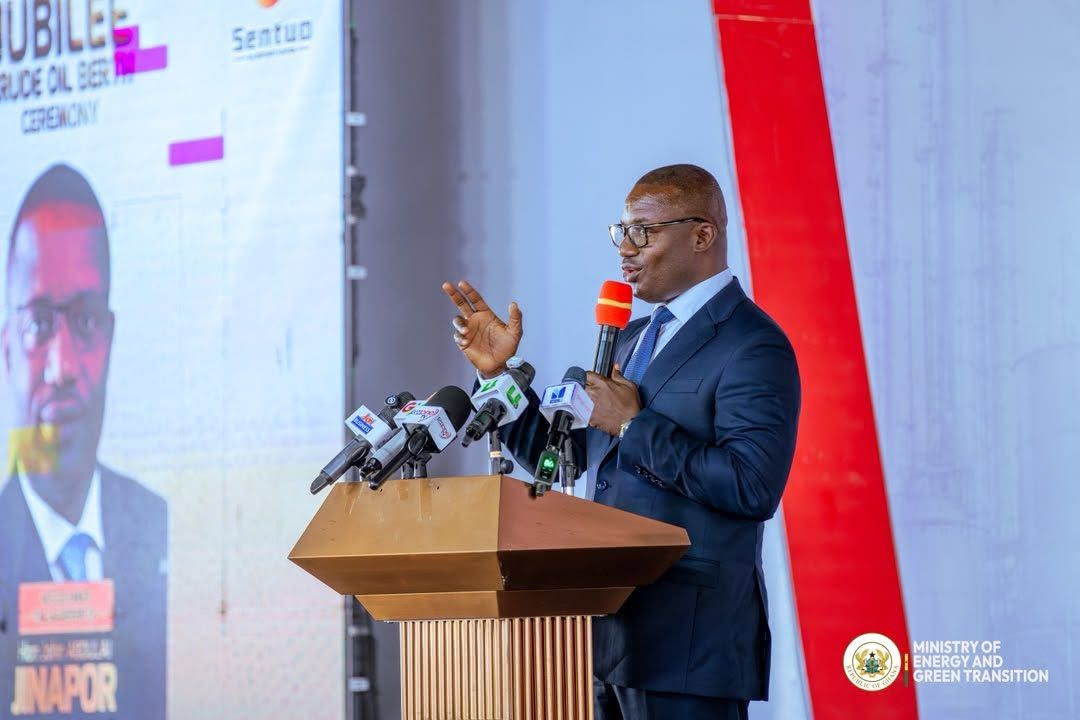
On Thursday at the 2026 Energy Sector Performance Review Retreat, Minister for Energy and Green Transition Dr John Abdulai Jinapor outlined a 2027 roadmap to accelerate Ghana’s shift toward cleaner, more sustainable power. The plan centres on expanding solar and other renewable projects, completing 35 mini‑grid schemes, scaling solar home systems and net‑metering, and pushing forward the Ghana Nuclear Power Programme.
Jinapor highlighted that renewable capacity now stands at 345 megawatts, against an installed generation total of 5,854 MW, and that electricity access has climbed to 89.13 percent. He urged agencies to move from planning to measurable delivery, insisting on clear targets, resource allocations and timelines for 2027.
“From plans to implementation; from commitments to measurable results; and from promises to delivery,” he said, stressing that the transition must be backed by investments in generation, transmission and distribution infrastructure to ensure efficient supply to homes, businesses and industry.
The minister called for stronger institutional coordination, accountability and adherence to procurement laws, warning that speed should not compromise transparency or value for money. He added that a resilient energy system would support industrial development and broader economic growth.
With the retreat set to review 2026 performance and set 2027 priorities, the government aims to deliver an energy sector that is reliable, affordable, sustainable and resilient, underpinning Ghana’s economic transformation.