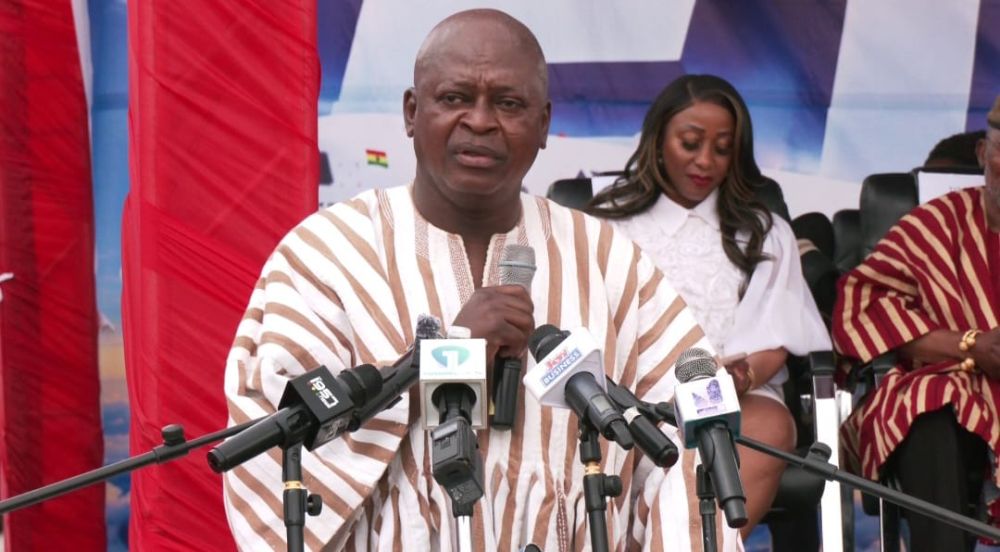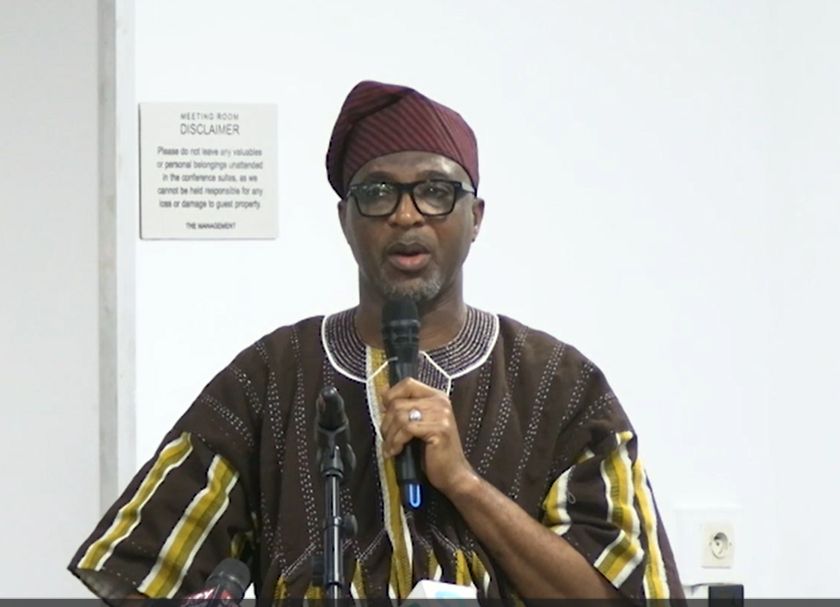
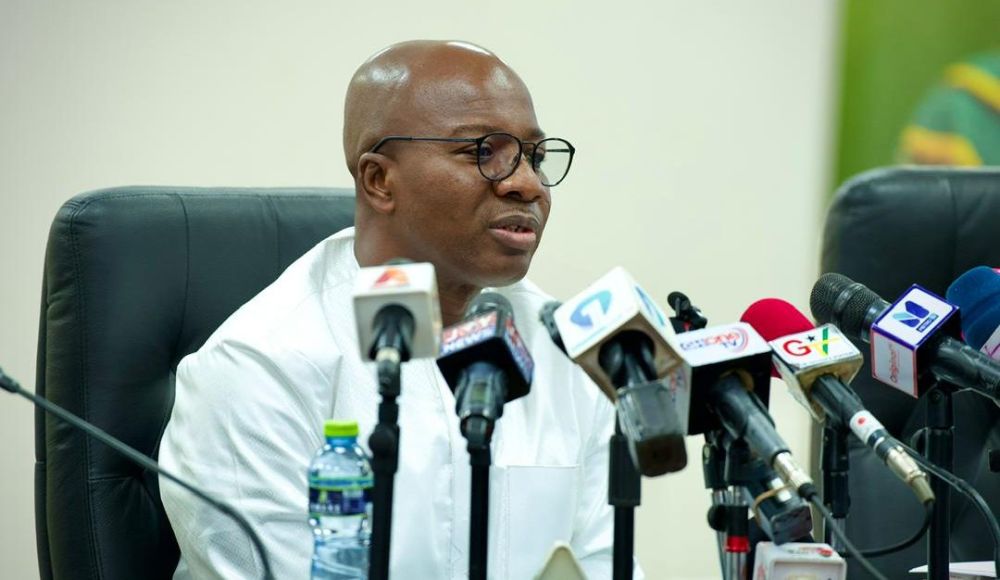
In a press briefing after a stakeholder meeting in Kumasi, Minister of Local Government, Chieftaincy and Religious Affairs Mahama Ayariga announced that the government will shift to a market‑based rental system at the Kumasi Central Market. The move is intended to ensure that revenue generated by the facility is retained by the state and used to finance the remaining phases of the Kejetia redevelopment, rather than allowing intermediaries to profit from rent differentials.
Ayariga explained that the original goal of the redevelopment was to expand trading space while generating enough income to repay loans and fund future investment. Phase One had already increased space, and Phase Two is planned to add extra floors and shops for more traders. By collecting rent directly from traders at rates that reflect current market conditions, the government hopes to avoid situations where traders secure low‑priced spaces and then sublet them at higher rates, a practice that has historically deprived the state of revenue.
While the minister acknowledged that market‑based rents do not guarantee permanent high rates for traders, he noted that an increased supply of trading spaces could eventually lower rents if demand falls behind supply. The overarching objective, he said, is to generate sufficient revenue to complete all phases while providing a hygienic, expanded trading environment.
Delays in Phase Two stemmed from challenges with international loans and rising construction costs. Ayariga said the government is considering using funds generated from Phase One, along with outstanding contractor payments, to revive construction. These funds could cover deferred works such as bridges linking the market phases and surrounding road improvements, though they may not cover every component of the original design.
He added that Phase Three is expected to cost less because it will be financed through market revenue rather than external borrowing. The minister emphasized that the completed market would belong to the people of Kumasi and that revenue from it could be reinvested in other development priorities, including roads, health and education.
What to watch next: The government will finalize the rental rates and contractual arrangements with traders in the coming weeks, setting the stage for the resumption of construction on Kejetia Phase II.