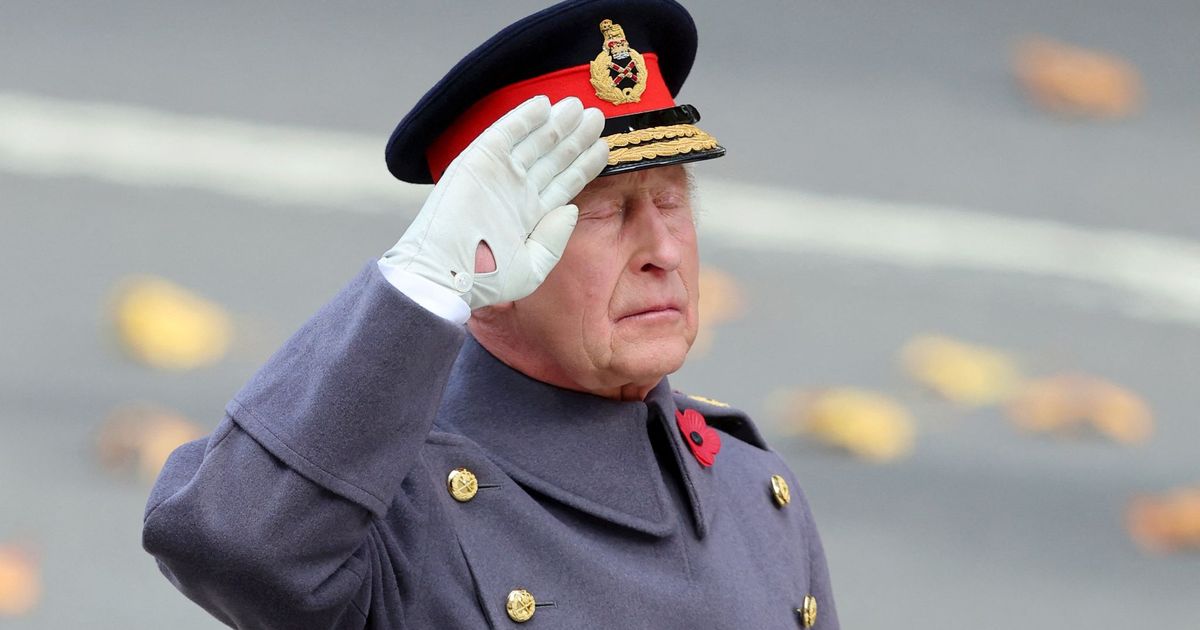
On a stone‑grey autumn morning, King Charles III led a solemn two‑minute silence on Remembrance Sunday in London, honouring veterans who had died in conflict. The ceremony began with the king laying a wreath at the Cenotaph in Whitehall before a march‑past of 10,000 armed forces veterans.
Only 12 World War Two veterans marched, including 103‑year‑old Annie Duplock, a former Land Army member who described the day as "very emotional". The oldest participant was 105 years old. The march also featured representatives from 340 military and civilian groups, disability scooter flotillas and families assisting veterans in wheelchairs.
Nine former prime ministers lined up to lay wreaths, a record high, while Prime Minister Andy Burnham attended for the first time as the current occupant of No 10 Downing Street. For the first time, Reform UK leader Nigel Farage had enough MPs in Parliament to qualify to lay a wreath alongside other major party leaders.
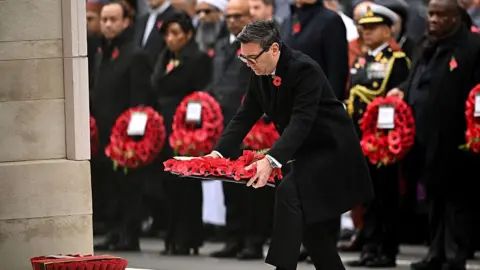
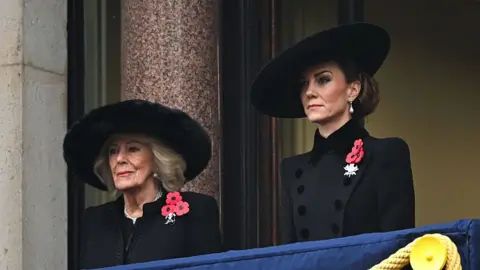
The Prince of Wales, the Princess Royal, military chiefs, senior politicians, diplomats and faith leaders were among the dignitaries in attendance, with Queen Camilla and the Princess of Wales watching from a balcony above the Cenotaph in the Foreign Office. The Ukrainian flag was also displayed, frayed after four years of war.
At 11:00 GMT, as Big Ben’s first strike echoed, the two‑minute silence filled the usually frenetic streets before the playing of the Last Post. The king closed his eyes, and the crowds in Whitehall paused in thought, a rare moment of calm in the capital.
Prime Minister Burnham said the event was a time to "reflect on the selflessness and courage it takes to commit your life to protecting others" and announced plans to tackle homelessness among ex‑service personnel, ensuring any veteran sleeping rough is offered accommodation before Christmas. Mark Atkinson, director general of the Royal British Legion, added that the day pays tribute to all who have served and sacrificed, from past generations to those still serving today.
Remembrance events took place across the UK, with wreaths laid at the Stone of Remembrance in Edinburgh, marches in Manchester, Birmingham and Leeds, and a silent poppy drop at Durham Cathedral. The Duke of Sussex was seen attending a service in Brackley, Northamptonshire.
The Cenotaph, designed by Sir Edwin Lutyens and opened in 1920 by King George V, has been the focal point for honouring those who fought and died in World War One and subsequent conflicts. This year, the monument continued to serve as a place of mourning and remembrance for families unable to visit overseas war cemeteries.
Looking ahead, the ceremony will likely continue to draw record numbers of dignitaries and veterans, with the King’s presence underscoring the enduring importance of Remembrance Sunday in the UK.