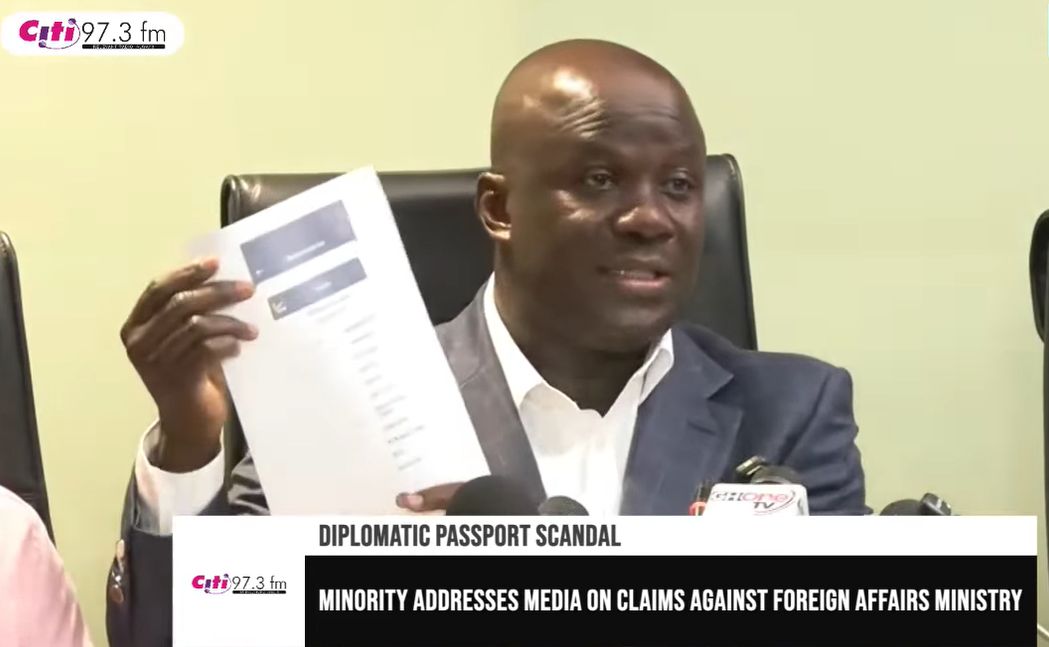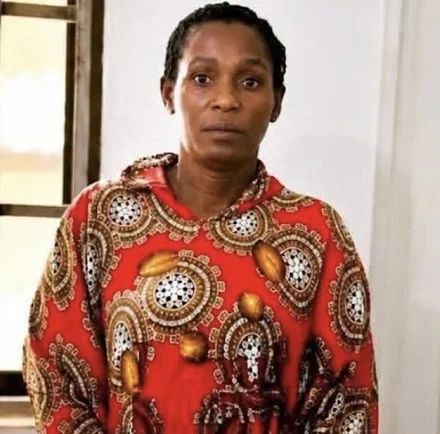
Minority Leader Alexander Afenyo‑Markin called on President John Dramani Mahama to grant a pardon to TikToker Camila Alhassan, who is serving a one‑year prison term for offensive conduct.
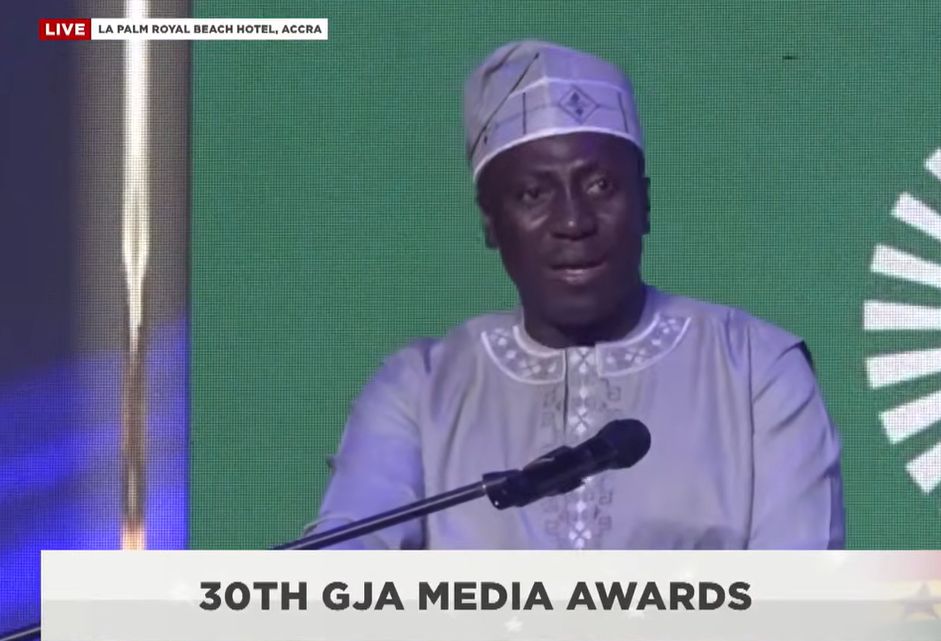
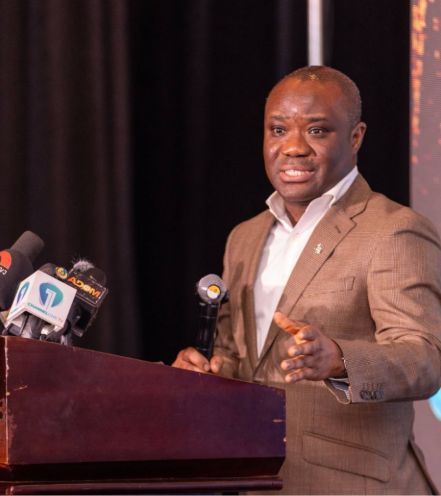
The appeal was made at the 30th Ghana Journalists Association Media Awards in Accra on Saturday, November 7, where Afenyo‑Markin urged the President to consider extending clemency to Alhassan and to review laws he says are being used to criminalise speech.
Alhassan was sentenced by an Accra Circuit Court on July 16, 2026, to one year’s imprisonment with hard labour after pleading guilty to a charge of offensive conduct conducive to a breach of the peace. Her conviction followed a series of TikTok videos she posted between June 30 and July 5, 2026, in which she alleged that President Mahama had sacrificed 32 cows to secure victory in the 2024 elections and that the government’s distribution of sanitary pads to flood victims was a cover for those sacrifices.
The prosecution argued that Alhassan’s remarks about the President and First Lady Lordina Mahama were capable of provoking a breach of the peace. The Media Foundation for West Africa criticised her arrest, calling the case part of a “creeping criminalisation of speech.”
Alhassan was initially charged under Sections 207 and 208 of the Criminal Offences Act, 1960, for offensive conduct and publication of false news. Her lawyer, Kwadwo Gyamfi‑Bonsu, said the court convicted her only on the offensive conduct charge, as it lacked jurisdiction over the false news charge.
Addressing the gathering, Afenyo‑Markin argued that criminal prosecution should not be the primary means of dealing with public criticism, falsehoods or offensive remarks. He called for the repeal of Section 208 of the Criminal Offences Act and Section 76 of the Electronic Communications Act, 2008, and suggested that civil remedies such as retractions, public apologies and compensation should be used instead of imprisonment.
The sentence has sparked debate over the balance between freedom of expression and the responsibility of social media users to avoid publishing abusive, threatening or unsubstantiated content. The next step will be to see whether President Mahama responds to the appeal and whether any legislative changes are considered.