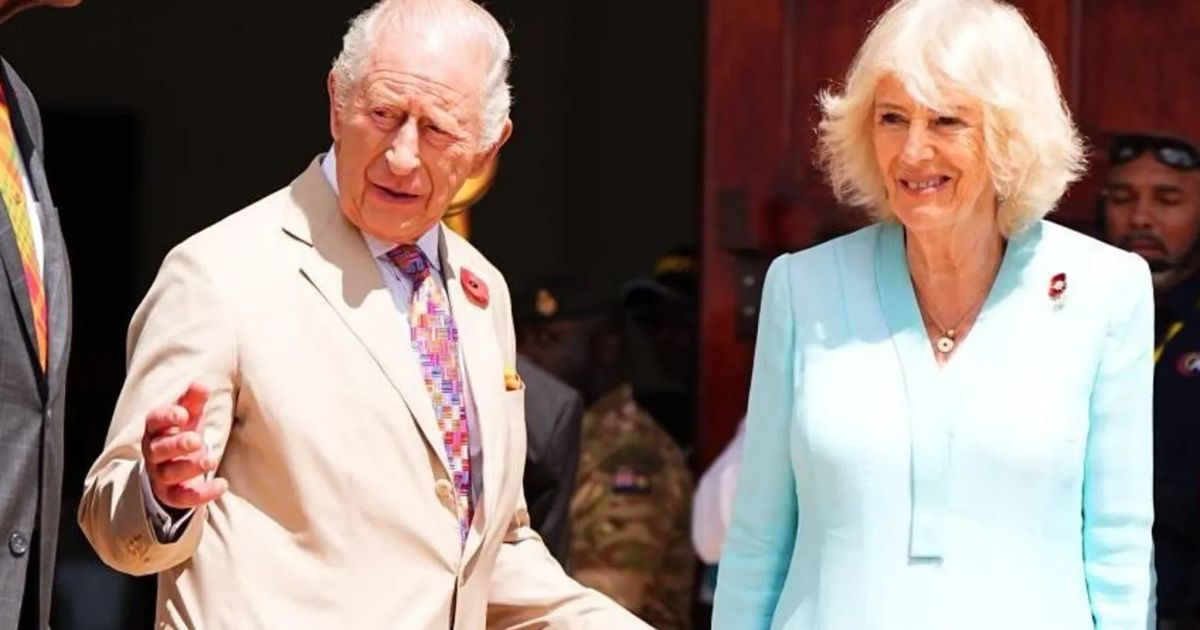
King Charles III will speak with “unflinching honesty” and “sincere sorrow” about the lasting pain of the transatlantic slave trade during the final leg of his Caribbean tour in Antigua.
The speech, delivered to Commonwealth leaders on Tuesday, will touch on the issue as the King opens the Commonwealth Heads of Government Meeting (CHOGM) in the Caribbean.
Prime Minister Andy Burnham has said he is “open” to the possibility of the UK formally apologising for its role in slavery – a shift from the government’s long‑standing position of no apology or reparations.
Burnham’s comments were relayed to Buckingham Palace before the King’s address, but the Palace confirmed the King’s speech will not be altered to reflect the Prime Minister’s stance.
Conservative Party leader Kemi Badenoch has dismissed endless talk of apologies as a distraction from current problems, urging the Commonwealth to look forward rather than dwell on the past.
The King’s opening address at CHOGM will focus on “confronting the most shameful aspects of the past” while also highlighting the Commonwealth’s theme of accelerating partnerships and investment for a prosperous future.
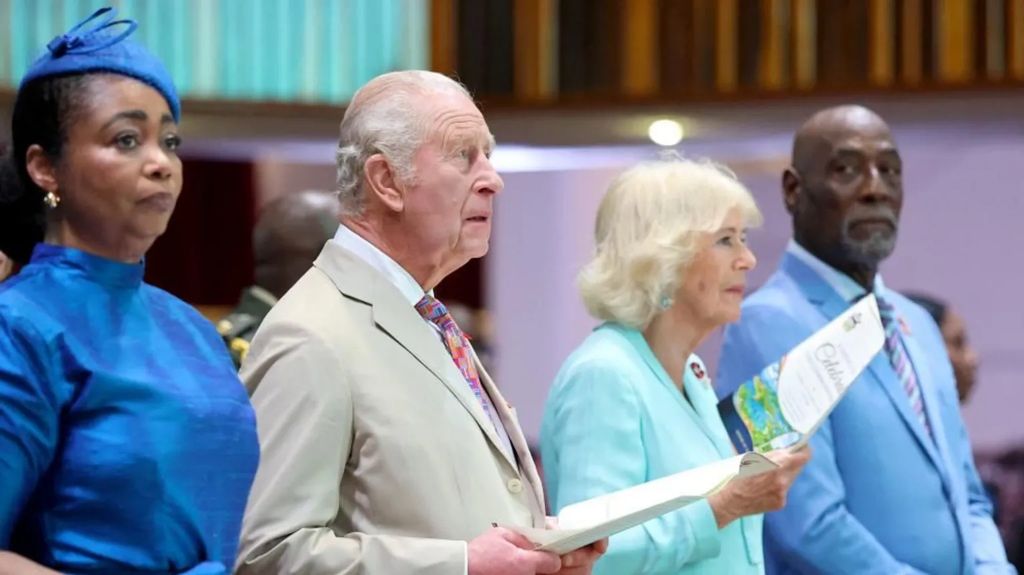
Queen Camilla accompanied the King in Antigua, where they attended a church service ahead of Independence Day celebrations, underscoring the tour’s dual focus on heritage and progress.
While the Palace emphasises that decisions about an apology are a matter for government, it noted the King’s role is to “bat for Britain, the Realms and the wider Commonwealth.”
The nine‑day Caribbean tour, which began in the Bahamas and included a visit to a slave rebellion site in Guyana, has seen the King discuss the environment, youth opportunities and trade links alongside the legacy of colonialism.
As the King approaches his 78th birthday, he remains on a positive trajectory in his ongoing cancer treatment, and has completed about 36 engagements during the tour.
What to watch: The King’s speech could set the tone for future discussions on reparations and the Commonwealth’s role in addressing historical injustices.