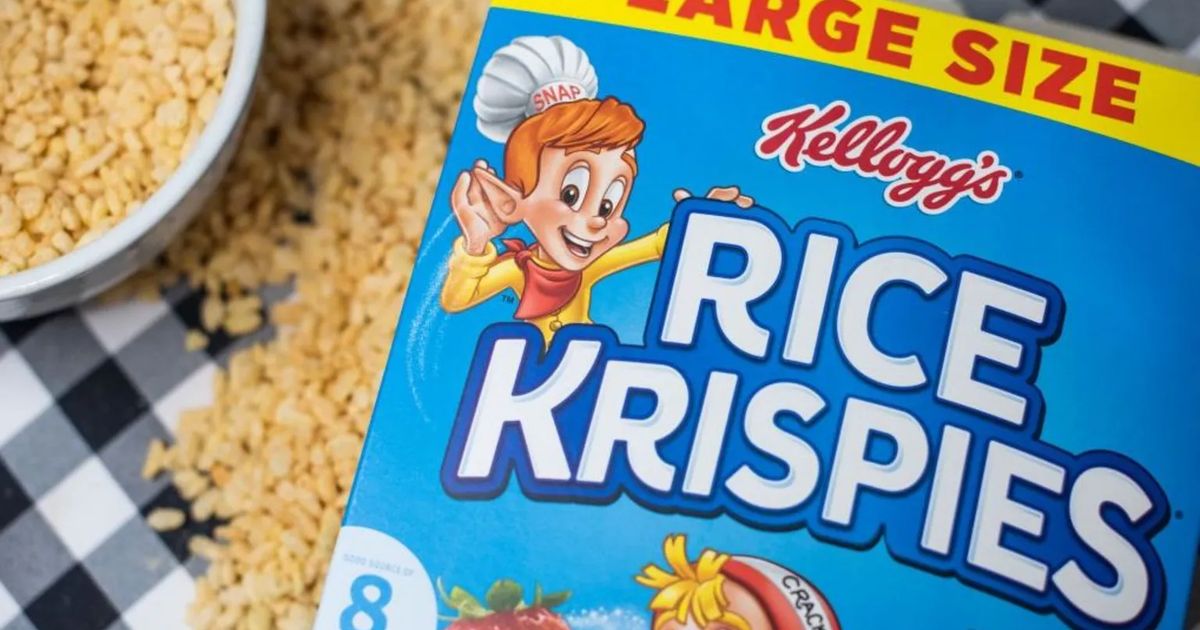
In a move prompted by shifting weather patterns, Kellogg’s has altered the recipe for its Rice Krispies and Coco Pops sold in the UK, replacing whole rice grains with a blend of corn and rice flour. The change, announced to the BBC, comes after online backlash from fans who noted a softer “snap, crackle and pop” sound when milk is added.
A Kellogg’s spokesperson said that preserving the signature sound was a “huge focus” during the redesign, but consumers might notice that the sound is quieter and less instant. The firm added that the new versions had been carefully assessed for taste, appearance and texture, though some shoppers complained that their children would no longer eat the cereals.
Customers on TikTok described the new product as “weird and stale” and “totally different,” with one parent noting, “There’s no snap, crackle and pop in these.” Kellogg’s said the recipe change was necessary because extreme weather had disrupted supplies of the rice varieties traditionally used in the cereals.
The company also warned that the new packaging would carry a “contains wheat gluten” label, while the cereals still contain barley‑malt extract. Kellogg’s confirmed that no other cereal recipes have been altered and that the products will continue to meet UK food standards for fat, salt and sugar.
Industry observers note that similar recipe adjustments are common when supply chains are strained; for example, Irn Bru cut its sugar content in 2018 after consumer backlash. Kellogg’s said it will keep looking for ways to improve its products in the future.
With the record‑breaking El Niño expected to persist until at least 2027, the company’s decision reflects broader challenges faced by food manufacturers worldwide as crop production is threatened by droughts, floods and heatwaves.