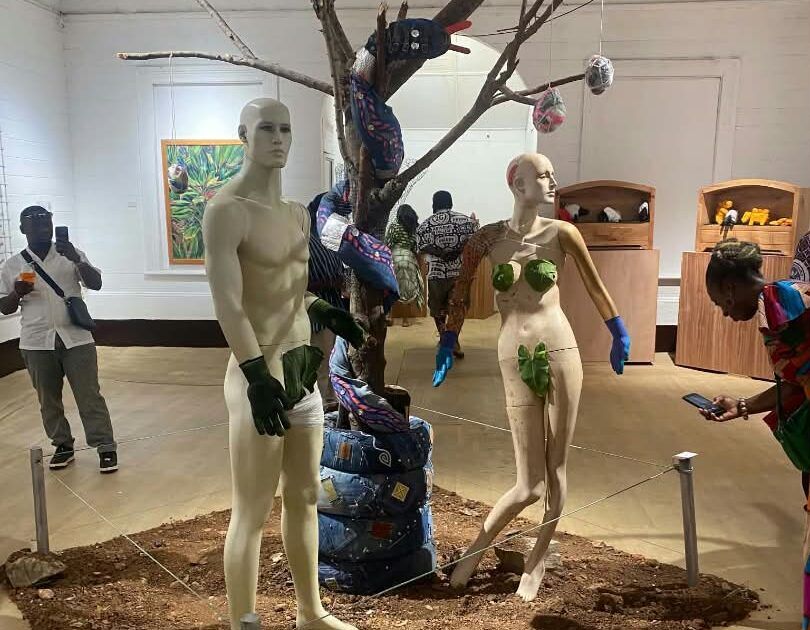
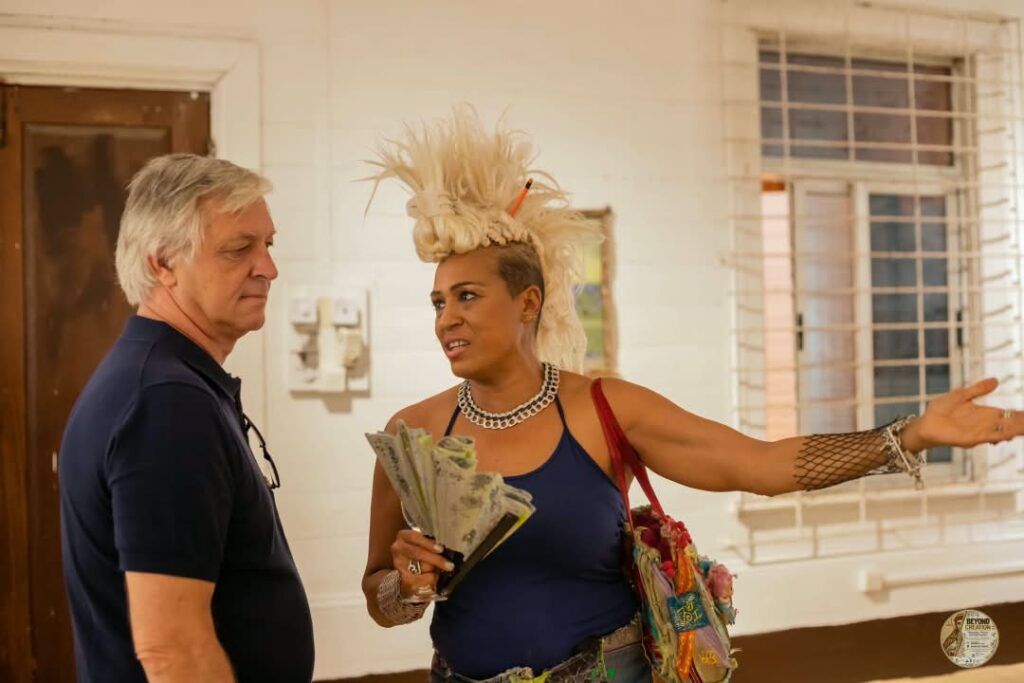
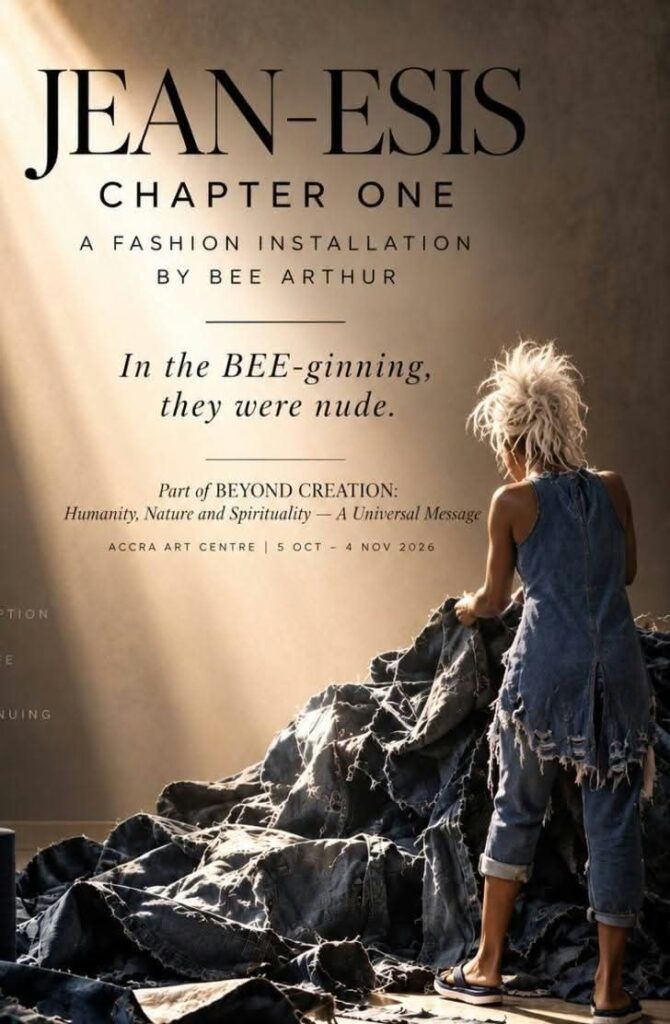
Beatrice “Bee” Arthur, a Ghanaian fashion curator, unveiled the installation JEAN‑ESIS: Chapter One at the Accra Art Centre on 4 October. The exhibit uses old denim, used tyres, rubber gloves, dead tree branches and mannequins to illustrate the environmental toll of clothing production and consumption.
Part of the larger exhibition BEYOND CREATION: Humanity, Nature and Spirituality, a Universal Message, the show is organised in partnership with the Embassy of Italy and runs until 4 November 2026. The opening drew artists, cultural representatives and diplomats, including Italy’s Ambassador to Ghana and Togo, Laura Ranalli, and Dr Fio Richardson Commey, Special Aide to the Minister for Tourism, Culture and Creative Arts.
Arthur sourced most of her materials from Kantamanto Market, a major hub for second‑hand clothing imported from Europe, North America and Asia. Estimates by The Or Foundation place the weekly arrival of garments at 15 million, with about 40 percent becoming waste that ends up in dumpsites, drains and beaches. The installation’s discarded denim highlights how the demand for inexpensive clothing creates environmental challenges for recipient countries.
Other elements were gathered from across Accra: branches from a cemetery, tyres from local vulcanisers, textile offcuts and rubber gloves. The four‑week project also features mannequins, some 20 years old, representing garment workers in Asian denim factories exposed to hazardous chemicals.
A central motif is a hand‑stitched, hand‑painted serpent, symbolising wisdom, fertility, regeneration and hope rather than temptation. Through these components, Arthur explores the link between clothing consumption, environmental degradation and human choices that contribute to waste.
While the second‑hand clothing trade supports thousands of traders and tailors in Ghana, it also leaves the country burdened with large quantities of discarded garments. The exhibition, curated by Nuna Adisenu‑Doe and Andrea Walter Ghia, brings together Ghanaian and international artists to examine humanity’s relationship with nature and spirituality.
Arthur thanked Wakefield Wisdom Ackuaku, Acting Executive Director of the National Commission on Culture, and Eric Ohene‑Larbi, Greater Accra Regional Director of the Centre for National Culture, for their support in facilitating the collaboration with the Italian Embassy.
Visitors can view the installation until 4 November, offering a powerful visual commentary on the fashion industry’s environmental footprint.