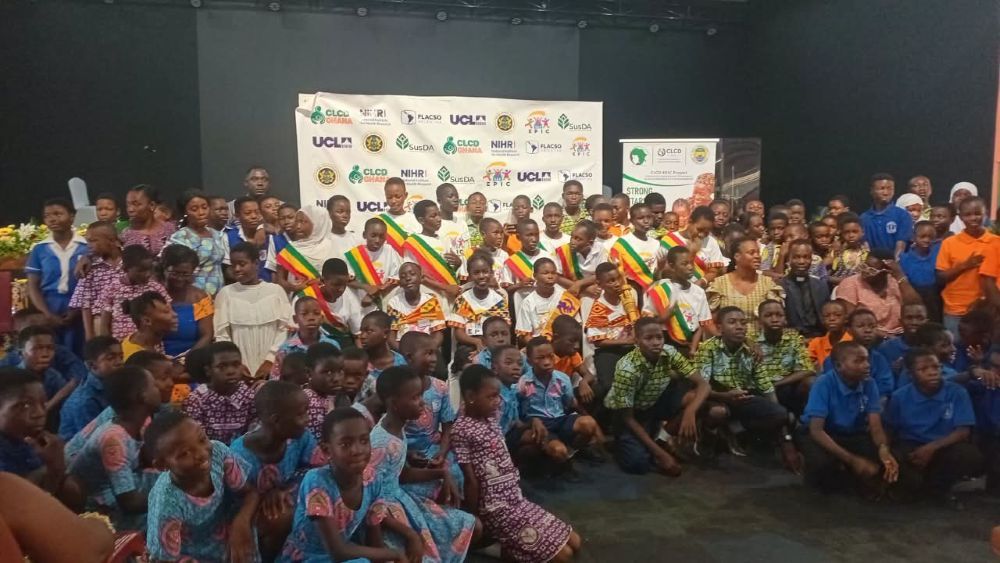
Schoolchildren in the Effia‑Kwesimintsim Municipality staged a moot Children’s Parliament to voice urgent calls for better infrastructure and safety in their schools and neighbourhoods. They cited crumbling roads, inadequate sanitation facilities, unreliable streetlights and limited access to potable water as major impediments to their education and wellbeing.
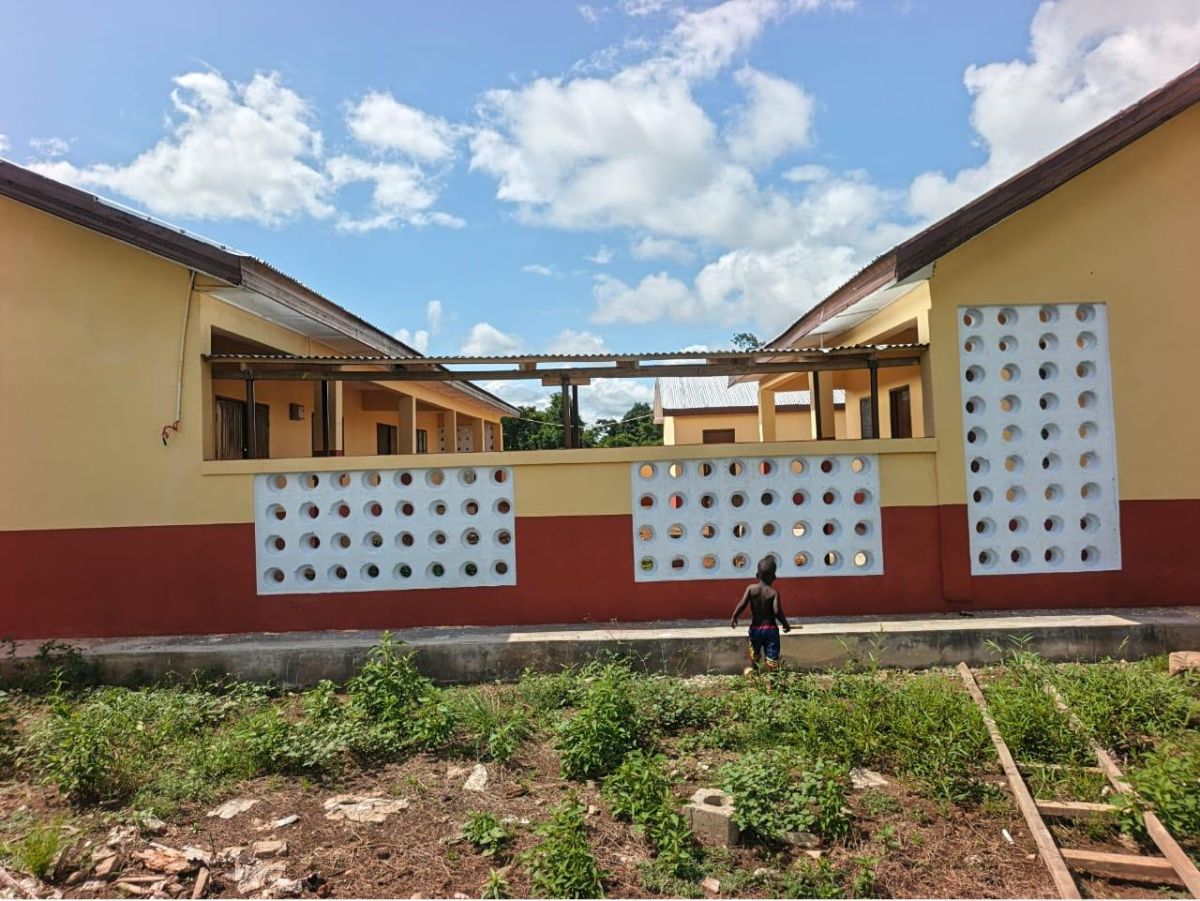
The young delegates also urged the local authorities to enhance school feeding programmes, improve cafeteria facilities, enlarge classrooms and create scholarship opportunities for academically gifted but economically disadvantaged students.
Beyond the school environment, the children pointed to the absence of police stations in some communities, seasonal flooding, noise pollution and a lack of disability‑friendly facilities in schools. Their concerns were presented through drawings and other creative submissions, underscoring the breadth of the issues.
The session was chaired by Speaker Precious Aseidu Tetteh, with Michael Mercy Osam‑Pinako as Majority Leader and Eugenia Quayson as Minority Leader. The assembly is scheduled to reconvene on 30 October 2027.
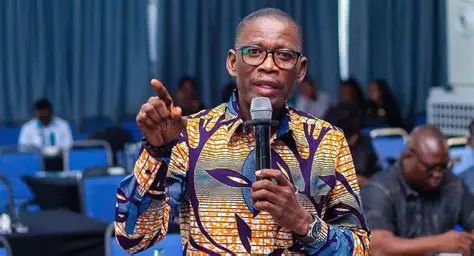
Child development advocate Dr Kwame Sakyi, speaking at the programme organised by the Centre for Learning and Childhood Development under the EPIC project, stressed that children’s active participation in policymaking is both a right and a vital means of ensuring that policies reflect their needs.
MP Fiifi Buckman praised the participants for articulating their concerns and pledged to keep engaging them, including arranging a visit to Parliament for the children to observe proceedings. Musah Adamu, Presiding Member of the Municipal Assembly, highlighted the importance of giving children meaningful opportunities to contribute to decisions that affect their lives, noting the exercise exposed them to democracy, leadership and civic responsibility.
The Children’s Parliament, organised in collaboration with the Ministry of Gender, Children and Social Protection, provides a platform for 13‑ to 17‑year‑olds to assess early childhood development plans across five districts and identify gaps that require attention.
As the municipality moves forward, stakeholders will need to address the infrastructure deficits and safety concerns raised by the children to create a learning environment that supports both academic success and community wellbeing.