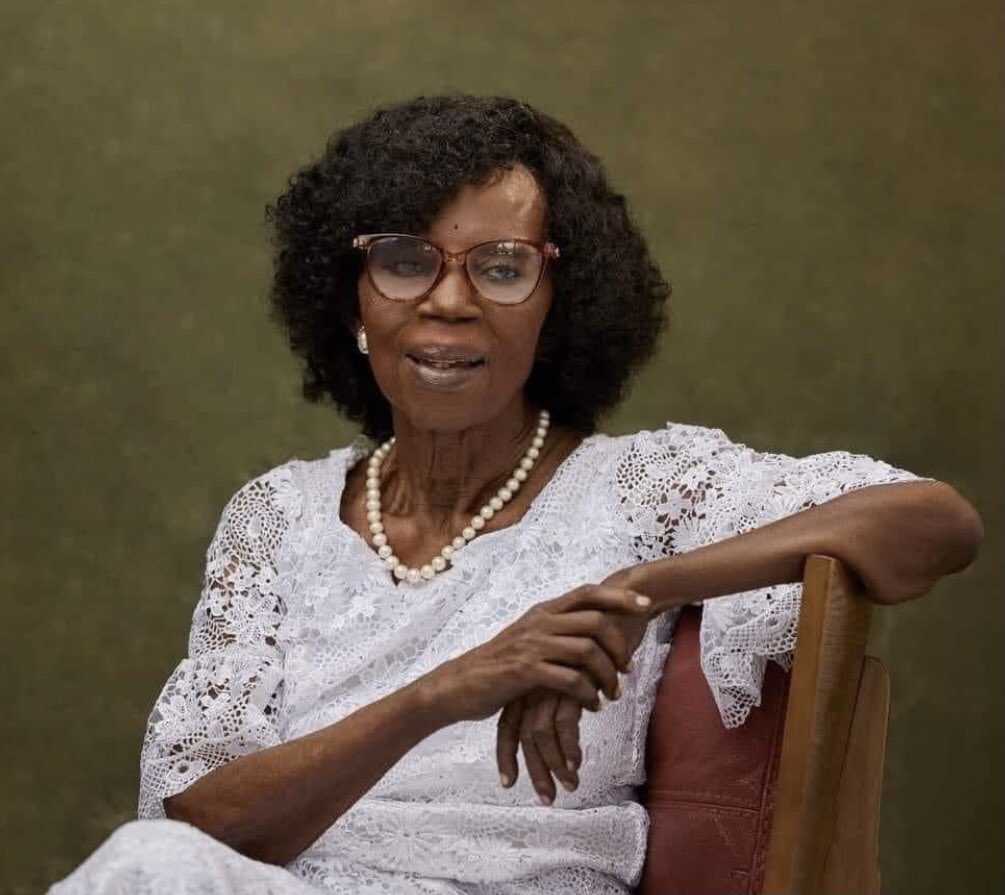
Veteran Ghanaian actress Grace Nortey has died at the age of 89, bringing to an end a career spanning more than five decades in the country's theatre, television and film industry.
She reportedly died in the early hours of Wednesday, August 26, 2026, at the University of Ghana Medical Centre (UGMC). Nortey was born on February 1, 1937, and had celebrated her 89th birthday earlier this year.
Nortey became particularly recognised for her strong and commanding performances, often portraying outspoken and determined women who confronted patriarchy and social injustice. Her work during the golden era of Ghanaian television helped make her a household name, with appearances in beloved productions including Obra, Osofo Dadzie, Nana Akoto, Escape to Love, Ties That Bind and Sinking Sands, in which she played the role of Grandma.
Before her television fame, Nortey built her reputation in theatre and radio, hosting Nyeawokoshie, a programme aimed at empowering Ga women, on Radio One in the 1970s. Her first major screen appearance came in 1986, in the King Ampaw and Peter Wohlgemuth-Reinery co-produced comedy "Juju," alongside fellow veteran actor Joe Eyison.
Her career extended well beyond Ghana's borders. She featured in the internationally acclaimed 2015 Netflix film "Beasts of No Nation," directed by Cary Joji Fukunaga and starring Idris Elba and Abraham Attah. Her later filmography included Lost Hope, Dza Gbele, Matters of the Heart, Sekina, Expectations and Jewels.
Nortey is survived by five children, including actress Sheila Nortey, who followed her mother into the profession.
Her death comes just months after Ghanaian actress and media personality Nana Ama McBrown surprised her with a birthday gift of $2,000 and provisions in recognition of her contribution to the industry.
Tributes have poured in from across Ghana's entertainment industry, with many describing her passing as the loss of one of the pioneering figures who helped shape Ghanaian screen acting across generations, from the golden age of television drama to the modern film era.