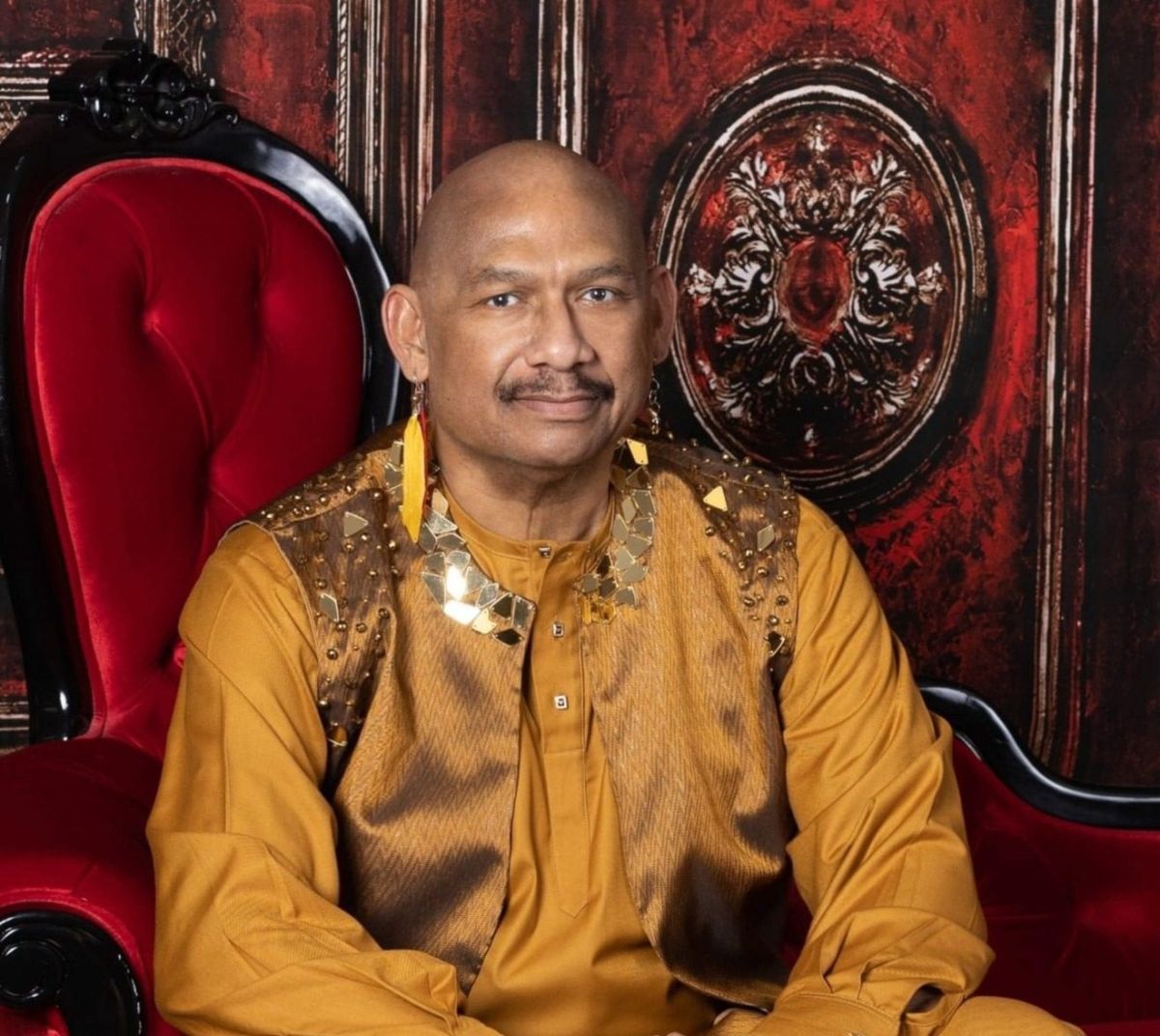
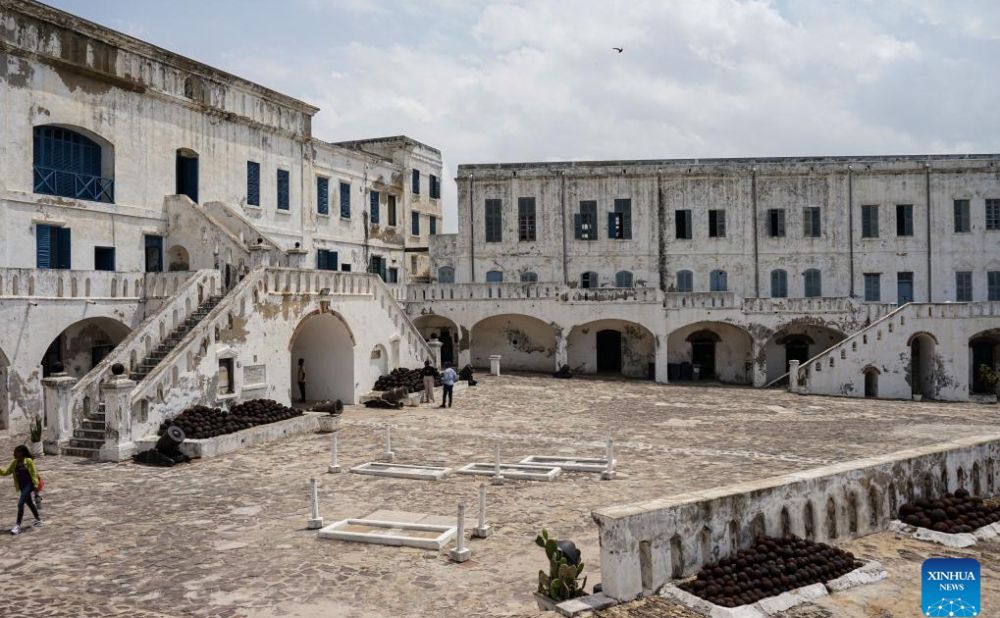
Vice President Professor Naana Jane Opoku‑Agyemang said Ghana bears a duty to safeguard and honestly interpret the forts, castles and other sites tied to the trans‑Atlantic slave trade. Speaking at a ceremony in Accra after the UN General Assembly adopted Resolution 82/50, she emphasised that preserving the physical evidence of the trade is essential for future generations to grasp the scale of injustice and the experiences of Africans who suffered, resisted and survived.
“Cape Coast Castle and other forts, castles and sites must be fully preserved and honestly interpreted,” Prof. Opoku‑Agyemang said. She noted that Ghana is the custodian of some of the most significant surviving sites linked to the slave trade, but the responsibility extends beyond maintaining structures. The history attached to those locations must be accurately preserved and communicated.
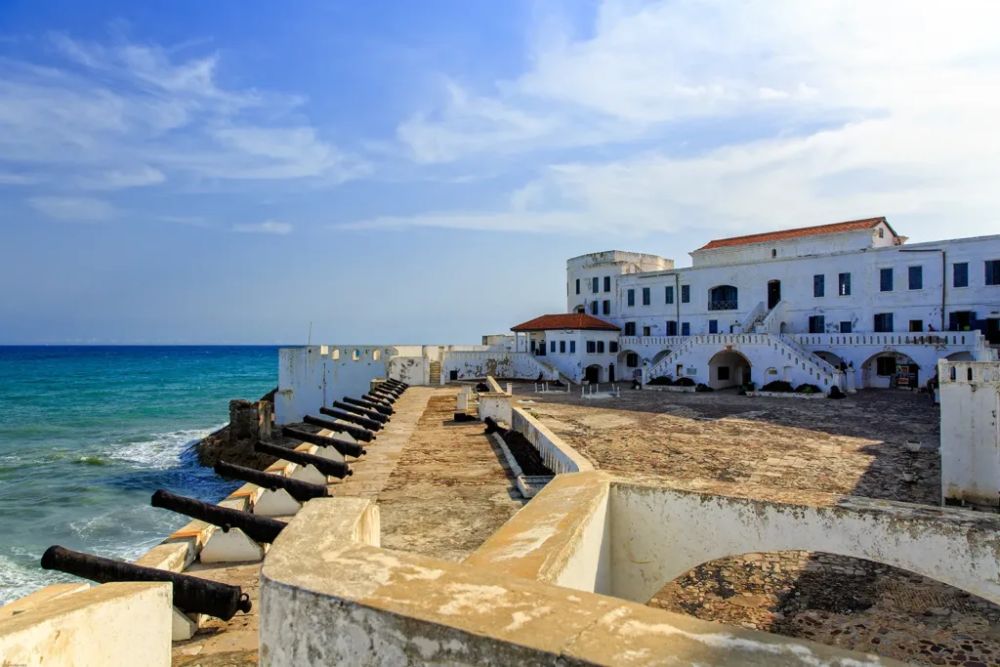
The Vice President highlighted lesser‑known sites across Ghana, such as Assin Manso, Sankana and Golu, where evidence of resistance survives in written records, architecture, oral accounts and the landscape. She recalled caves where communities sought refuge from slave raiders and defensive walls built to keep them out, underscoring that Africans were not only victims but also active resistors who defended their communities, escaped, organized and fought to preserve their freedom.
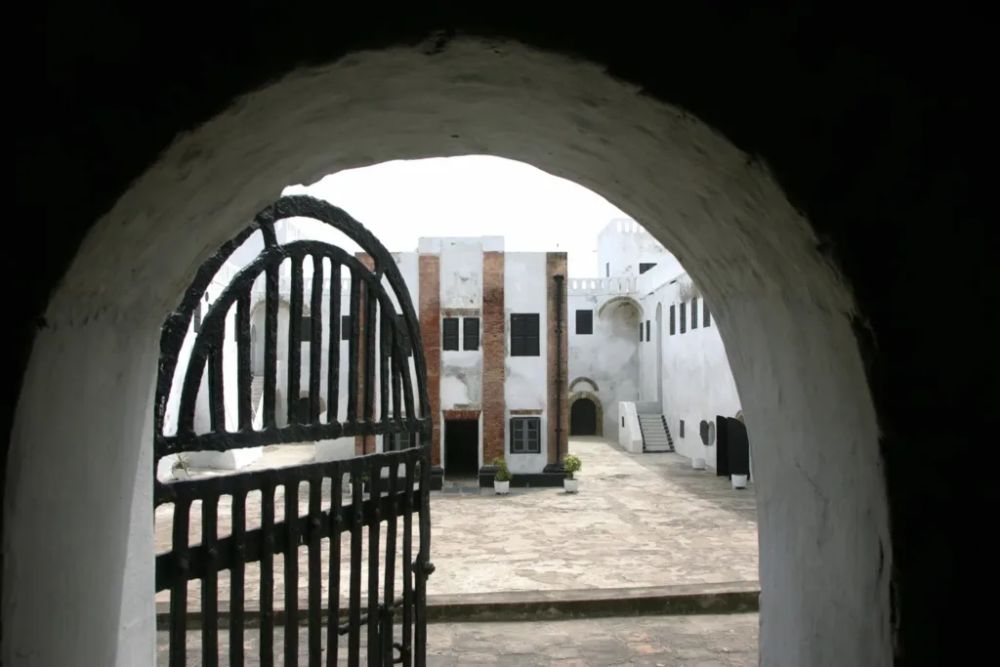
Prof. Opoku‑Agyemang said the preservation of these sites must capture both the suffering caused by the slave trade and the resistance of African communities. She linked the task to the broader reparatory justice agenda, arguing that historical understanding is vital to strengthening ties between Africa and the diaspora.
Ghana’s commitment to preserving these sites will shape how the nation remembers its past and educates future generations about the complexities of the slave‑trade era.