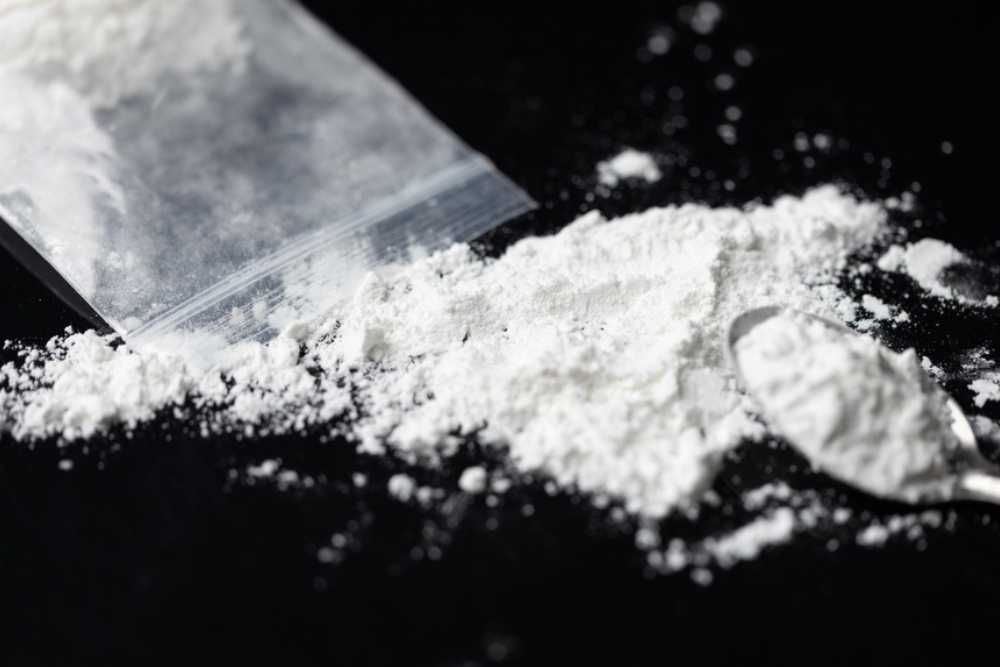
On 7 September 2026, French customs officers seized almost 3.9 tonnes of cocaine concealed among plastic‑recycling material in a container that had arrived from Ghana at the port of Dunkirk. The drugs, valued at about €225 million, were originally destined for Antwerp in Belgium.
The seizure follows a March 2025 interception of 3.3 tonnes of cocaine in Ghana and a recent Australian raid that uncovered 320 kg of methamphetamine hidden in charcoal bags from the same country. All three consignments were industrial‑scale and moved through legitimate commercial supply chains.
While the drugs were not discovered in Ghana, the fact that the containers originated there has prompted officials to ask whether Ghanaian ports and logistics systems are adequately protected against organised crime. The French investigation remains ongoing, but it has already sparked debate about the country’s ability to prevent suspicious consignments from leaving its borders.
Ghana has long cultivated a reputation as a stable West African democracy and a commercial hub. Repeated associations between Ghana‑linked cargo and large drug seizures could erode that image, affecting foreign investment, security cooperation and international perceptions of its institutions.
Government agencies must now answer whether they are catching enough shipments before they exit the country or if foreign authorities are becoming the final line of defence. The goal is to avoid a pattern that could lead to heightened scrutiny of Ghana’s trade routes and commercial entities.