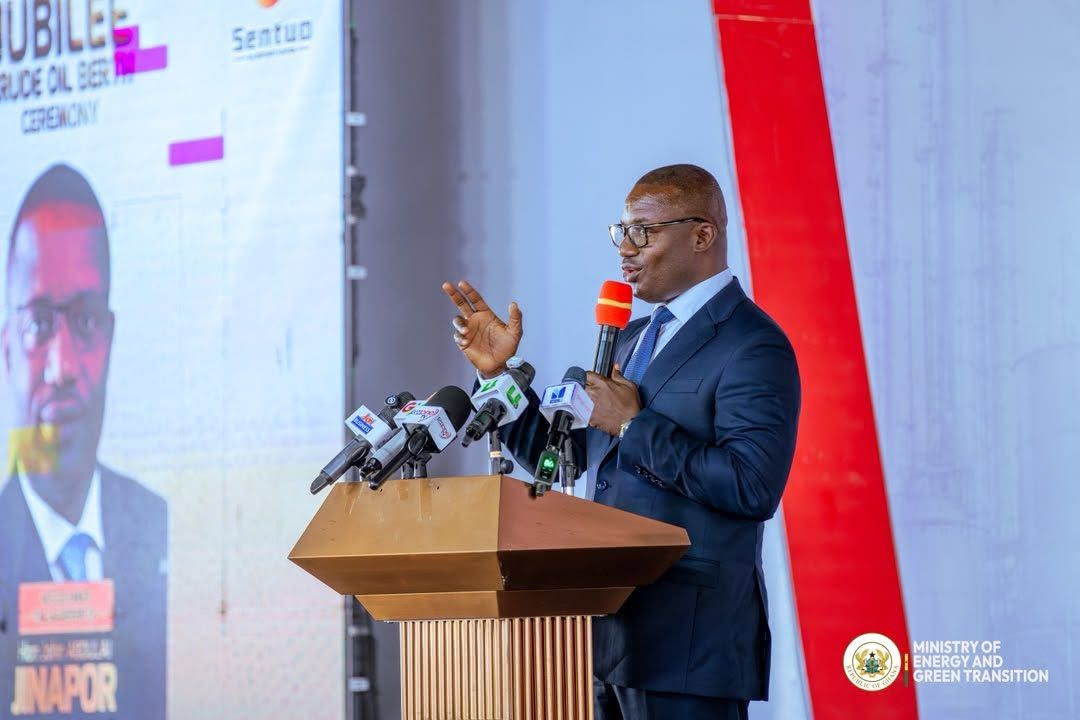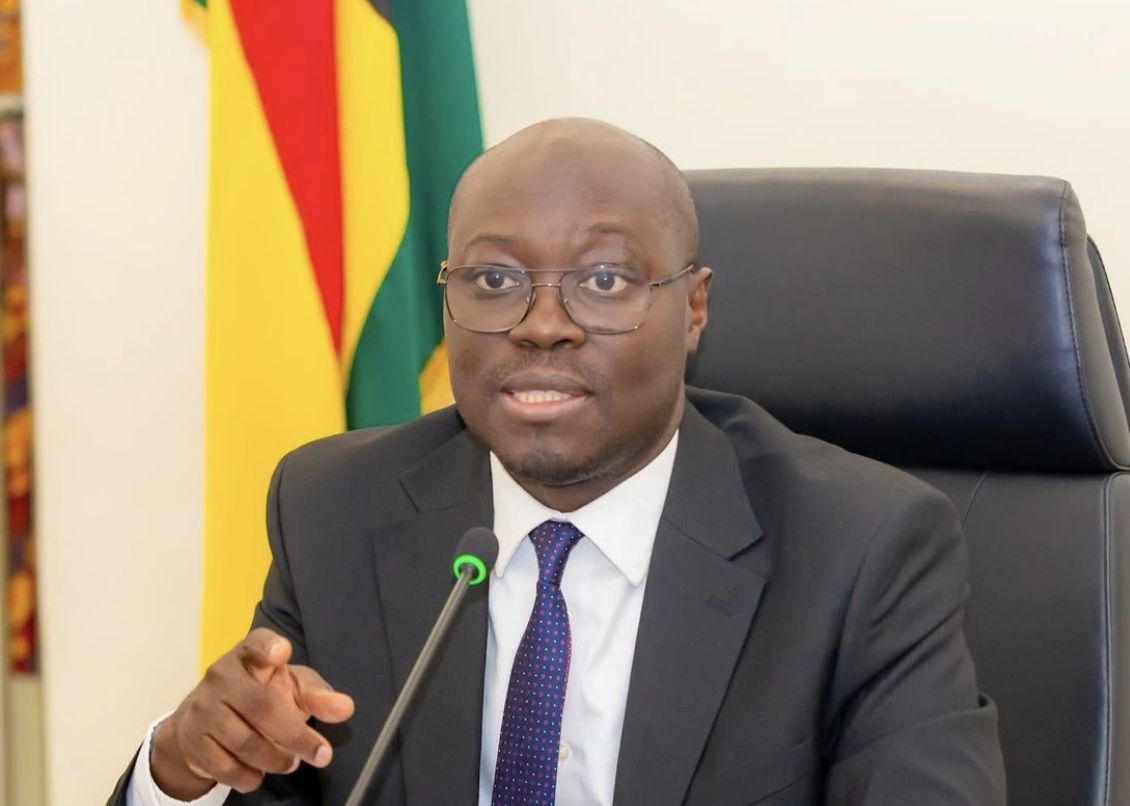
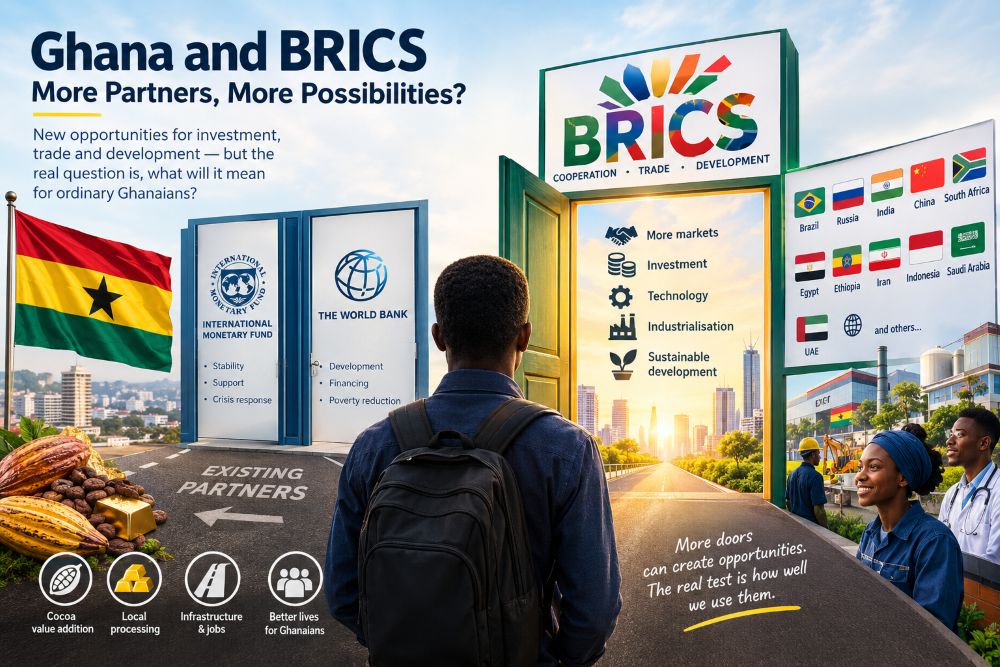
On October 6, 2026, Foreign Affairs Minister Samuel Okudzeto Ablakwa announced that Ghana’s Cabinet had approved the country’s formal application to join the BRICS bloc. The decision follows a strategic review of how Ghana can diversify its economic partnerships and secure additional development financing.
BRICS, originally an acronym for Brazil, Russia, India, China and South Africa, has since expanded to include Egypt, Ethiopia, Iran, Indonesia, Saudi Arabia, the United Arab Emirates and others. The group seeks closer cooperation on trade, investment and global governance. By joining, Ghana hopes to tap into the collective market size, technology, and industrial experience of these economies.
Ghana’s economy relies heavily on raw exports of cocoa, gold and oil. Turning these resources into higher‑value products could generate jobs and boost local income, but requires capital, technology and market access. The New Development Bank, the financial arm of BRICS, offers infrastructure and sustainable development funding that could complement Ghana’s existing loans from the IMF and World Bank.
However, membership does not automatically grant Ghana a loan or guarantee access to the New Development Bank. The country will still need to meet eligibility criteria and negotiate specific projects. Moreover, BRICS ties will coexist with current relationships with Bretton Woods institutions, allowing Ghana to maintain multiple financing channels.
Minister Ablakwa emphasized that the move is about expanding options, not abandoning existing partners. “Opening a second account does not mean closing the first,” he said, underscoring the importance of managing new and old relationships responsibly.
The real test will be whether BRICS engagement translates into tangible benefits for ordinary Ghanaians—jobs, local manufacturing, and infrastructure. Success will depend on Ghana’s ability to secure investment, manage projects effectively and negotiate agreements that serve national interests.
As Ghana navigates this new partnership, observers will watch how the country balances diplomatic priorities with economic ambitions, ensuring that BRICS membership strengthens rather than strains its global relationships.