The IMF’s Technical Assistance Report, “Advancing SOE Fiscal Risks Management, Financial Oversight, Governance, and Investment Implementation”, disclosed that Ghana’s state‑owned enterprises (SOEs) have accumulated approximately GH¢18.6 billion in financial management irregularities. The report draws on the 2024 Auditor‑General audit of public accounts, which identified the bulk of the breaches in outstanding debtors and loans, amounting to GH¢12.54 billion, including overdue receivables and locked‑up funds.
Cash irregularities contributed GH¢4.58 billion, covering unsupported payments and unaccounted revenues. Contract irregularities were about GH¢871.82 million, while procurement irregularities stood at GH¢335.27 million. Payroll, tax and stores irregularities added GH¢191.6 million, GH¢77.06 million and GH¢4.5 million respectively.
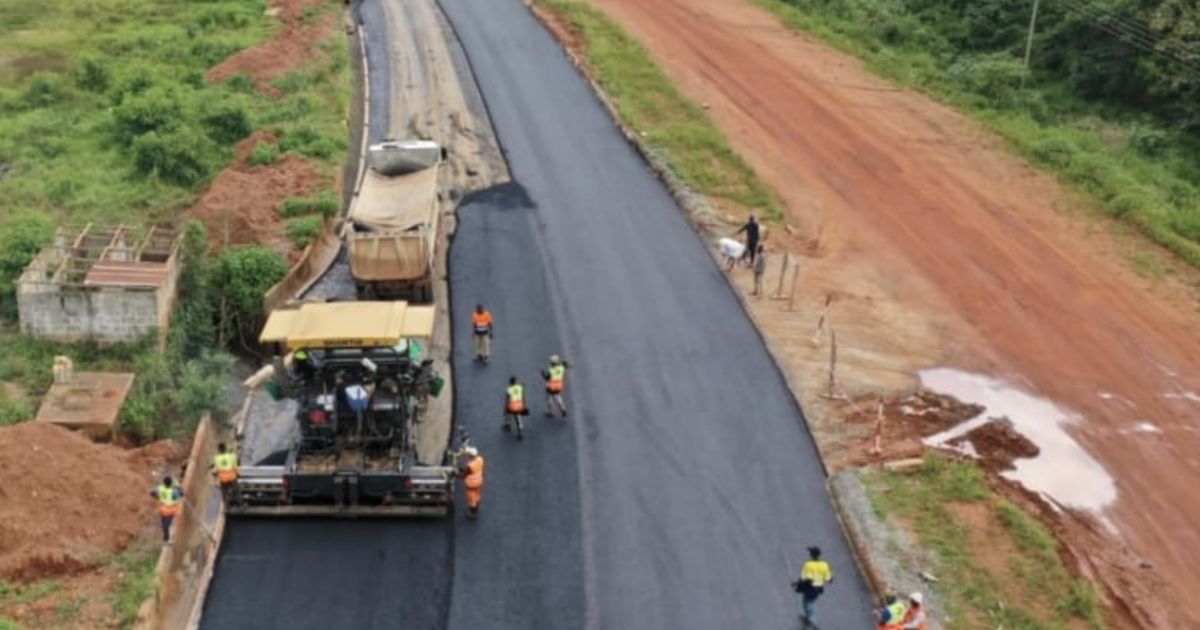
The IMF report flags the energy and roads construction sectors as having significant financial and procurement weaknesses, noting that more than 15 percent of payables and 6.4 percent of procurement commitments in these sectors breached public financial management regulations or statutory requirements. Such weaknesses could amplify the government’s fiscal exposure if left unchecked.
Specific entities highlighted include the Electricity Company of Ghana (ECG), where a Ghana Audit Service performance audit found that the company purchased electricity meters worth about US$145 million through 50 contracts that did not comply with the Public Procurement Act. The report also cites unsolicited “take‑or‑pay” Power Purchase Agreements that have led to generation capacity exceeding national demand, creating ongoing financial obligations for the energy sector.
Ghana Cocoa Board (COCOBOD) is cited for procurement and project management deficiencies, with an audit revealing that 87 percent of contracts under its cocoa roads investment portfolio were awarded without competitive tendering, alongside weaknesses in project costing and contract management that added financial pressure.
The IMF recommends stronger financial oversight, improved governance, and closer monitoring of SOE‑related fiscal risks. Recommendations include enhanced board appointment practices, better coordination between the Ministry of Finance and the State Interests and Governance Authority, and tighter oversight of investments undertaken by state‑owned enterprises.
Ghana’s continued struggle with fiscal risks linked to SOEs, particularly in the energy and commodity sectors, underscores the urgency of implementing these reforms to safeguard public finances.