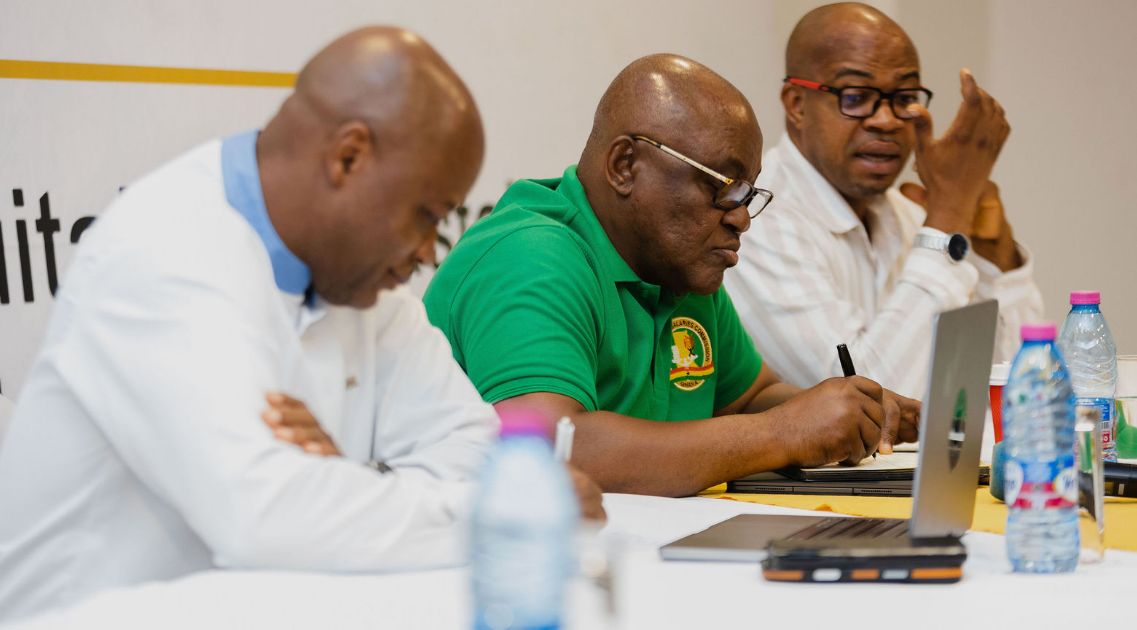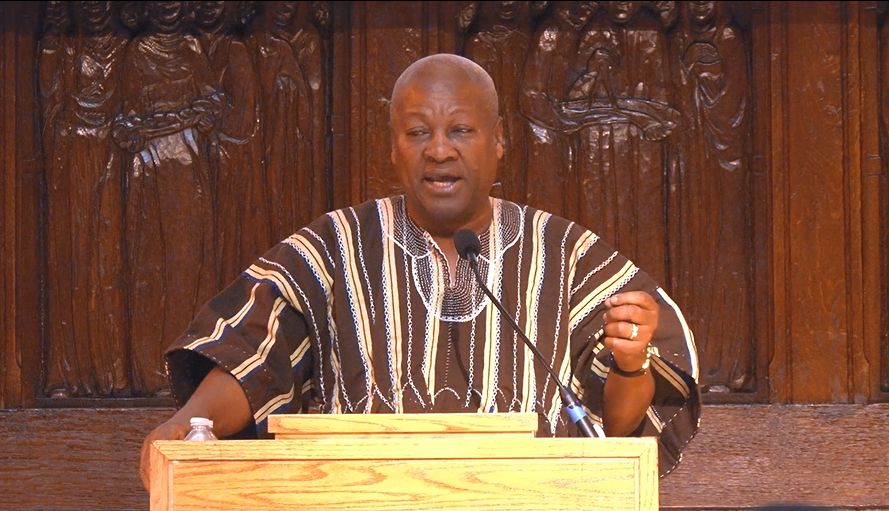
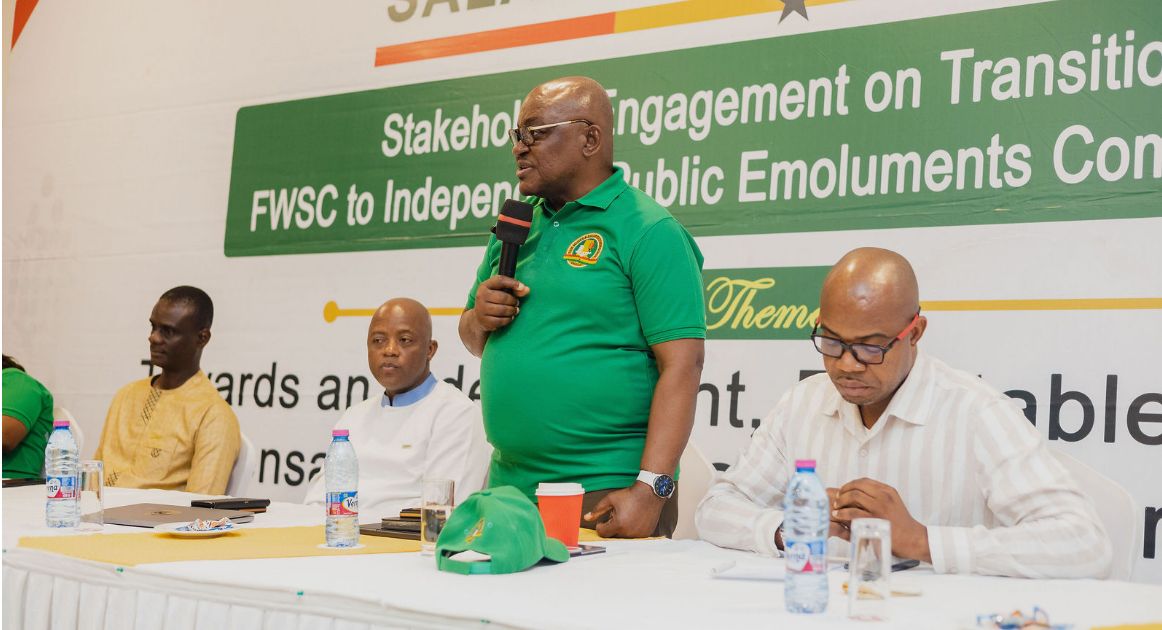
On Friday, the Fair Wages and Salaries Commission (FWSC) hosted a stakeholder meeting with chief executive officers, deputy CEOs and finance and human resource directors from over 100 state‑owned enterprises (SOEs). The gathering also included representatives from the State Interests and Governance Authority (SIGA), development partners and the media, as part of a nationwide consultation series following President John Dramani Mahama’s declaration of the FWSC as an Institution in Transition in March.
FWSC Chief Executive Dr George Smith‑Graham highlighted that SOEs constitute a significant portion of the public sector wage bill and are central to ongoing pay reforms. He described the current public sector remuneration system as fragmented, inequitable and a major source of industrial relations tensions, especially within the SOE sector.
Dr Smith‑Graham assured participants that the new Independent Public Emoluments Commission (IPEC) would provide an independent, professional and evidence‑based framework for determining all public sector emoluments, including those of SOEs, while ensuring fiscal sustainability, transparency and equity. He added that IPEC would not abolish performance‑based incentives but would streamline and harmonise them under a new National Emoluments Policy and a National Negotiation Framework.

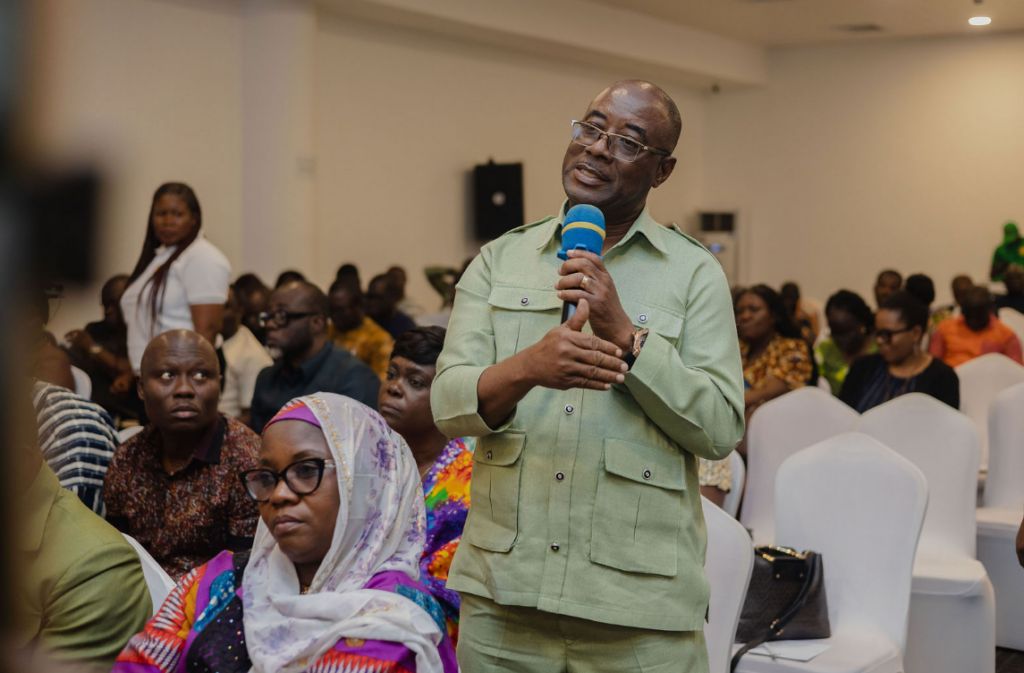
Attendees raised concerns about how the new regime would affect their ability to attract and retain critical talent, the fate of existing collective agreements and the level of autonomy boards would retain to determine market premiums and allowances. In response, Dr Smith‑Graham explained that the government would conduct a comprehensive nationwide Job Evaluation exercise to establish a modern grading architecture and ensure equal pay for work of equal value. A National Productivity Framework would also be developed to link remuneration to productivity and performance.
The inputs from this engagement will feed into the final draft IPEC Bill, which is expected to be laid before Parliament before the end of October 2026. Stakeholders will continue to monitor the development of the bill and its implications for the public sector wage structure.