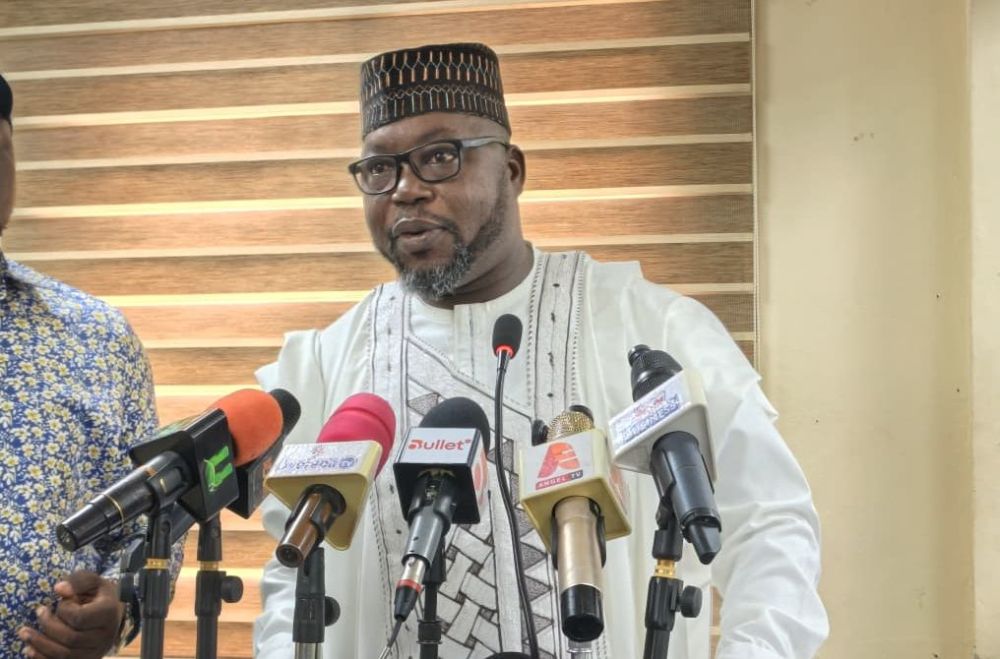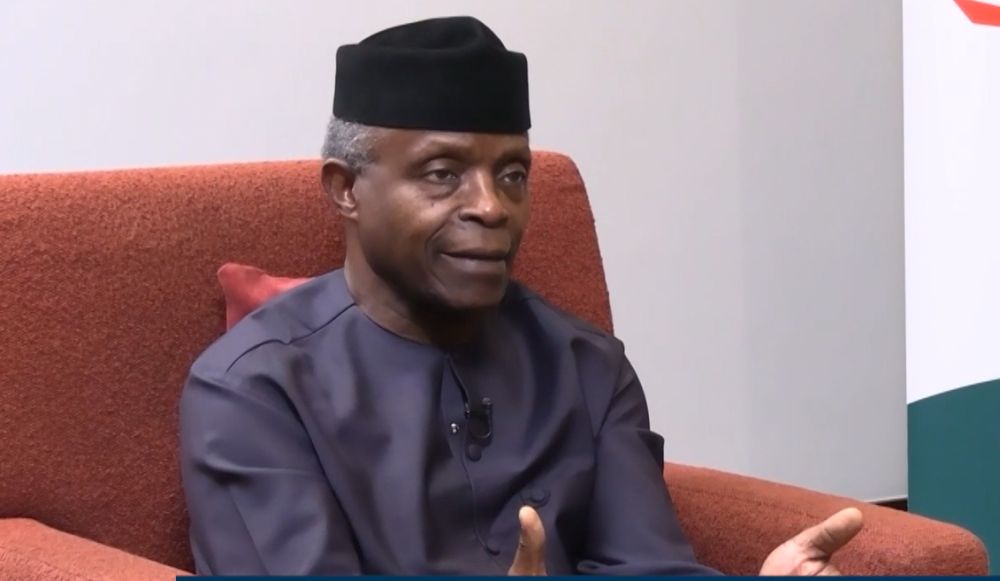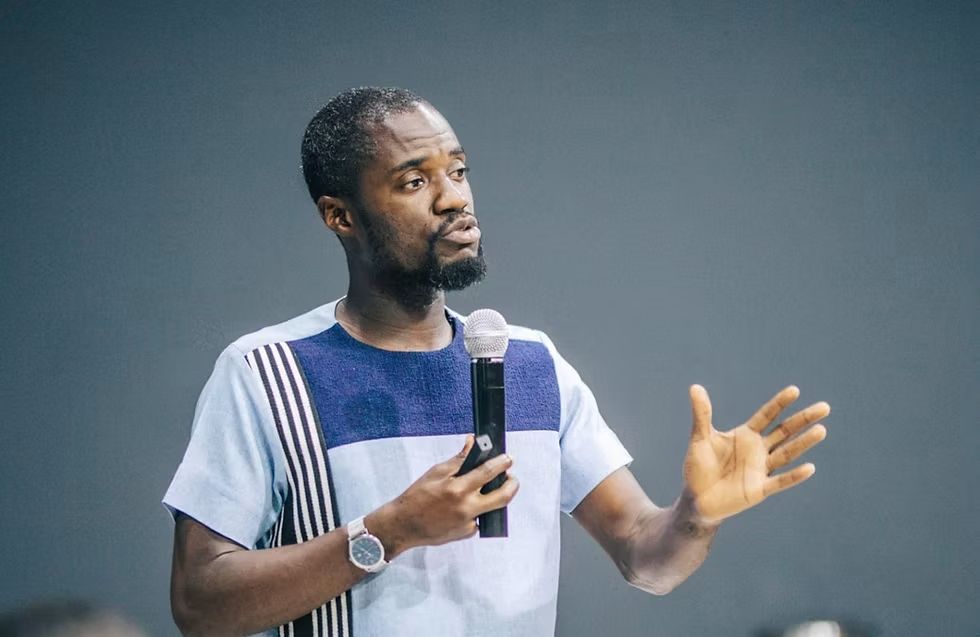
Dr Riverson Oppong, CEO of the Chamber of Oil Marketing Companies (COMAC), warned on Monday that Ghana’s current fuel subsidy could create a future fiscal burden if it is not backed by a sustainable source of funding.
The government’s GH¢2‑per‑litre diesel subsidy, introduced to cushion consumers from rising fuel prices, has sparked calls for a similar intervention on petrol. Speaking on Channel One TV’s The Point of View, Dr Oppong said that while subsidies may provide immediate relief, consumers could eventually bear the cost if the interventions are not properly funded.
“For me, for a developing country like Ghana, giving buffers is very dangerous. Giving buffers is very dangerous because at the end of the day, you and I are going to pay for this in one way or the other,” he said.
He cited Ghana’s experience with the electricity sector, where interventions to keep prices low eventually contributed to financial liabilities that had to be absorbed elsewhere. “It happened with the electricity market,” he said, adding that “years go by and what happened? We saw that we were paying for unrealistic electricity prices.”
Dr Oppong stressed that his concern was not necessarily with subsidies but with how they are financed and whether they undermine the operations of businesses in the downstream petroleum sector. “I’m not against it. Don’t get me wrong because I’m also a consumer. But where is it coming from? If it’s going to hit the operational account of the industry, that I have a problem,” he said.
He urged the government to explore other sources of revenue to finance interventions rather than allowing the cost to accumulate as a future burden on consumers and businesses.