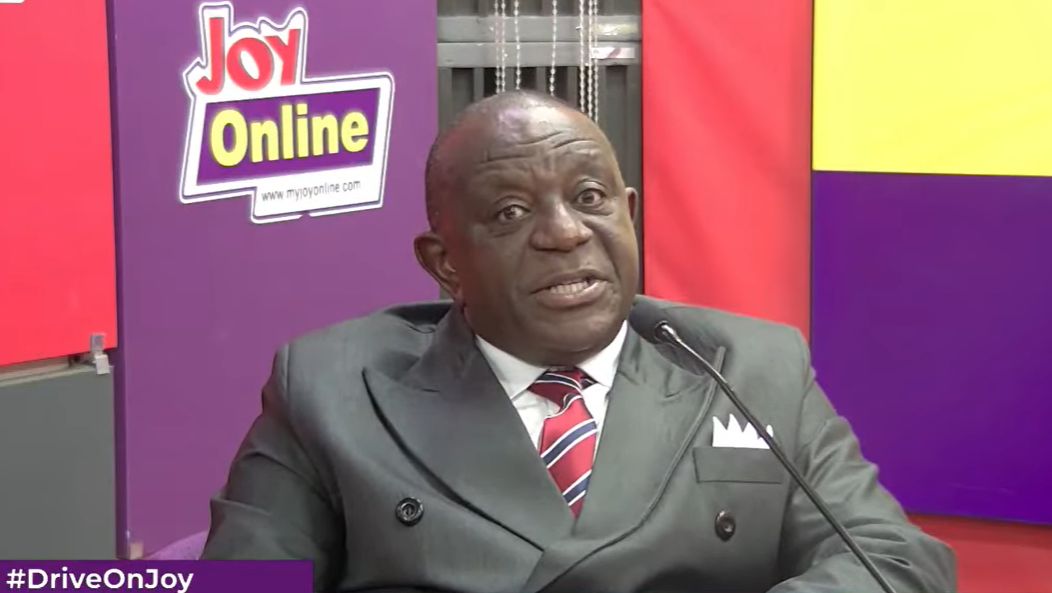
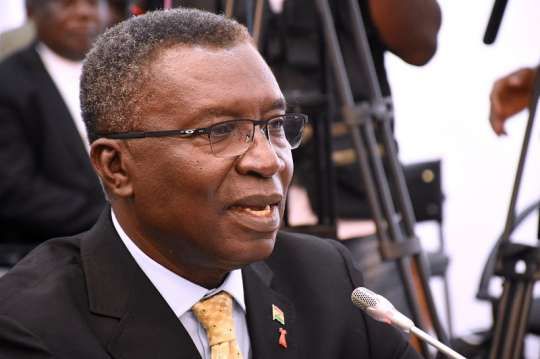
Professor Kwabena Frimpong‑Boateng, former Minister for Environment, Science, Technology and Innovation, unveiled a proposal for a statutory Environmental Restoration Fund at the Fourth Annual Colloquium at the University of Education, Winneba on 2 September 2026. He urged that a defined share of mineral royalties be earmarked for the fund, which would operate independently of the national budget cycle and be subject to independent oversight and public disclosure.
Frimpong‑Boateng warned that embedding the fund within the budget could expose it to diversion during fiscal crises, stating, “Outside the budget cycle, because anything inside it will be raided in the second year of a hard fiscal programme. It always is.” He added, “A defined share of mineral royalties should go into a statutory Environmental Restoration Fund, independently governed, spent on river remediation and land reclamation, with site‑level accounts published annually.”
The former minister cited that roughly 10% of Ghana’s land area—about 23,853 square kilometres—has been degraded, with restoration costs estimated at $21 billion. He highlighted the Ankobra River, alone costing an estimated $400 million to rehabilitate, and listed other polluted rivers such as the Pra, Offin, Birim, Anum, Oda, Black, White and Red Volta as needing attention.
Frimpong‑Boateng also called for an annual State of the Environment audit to be presented to Parliament alongside the national budget, arguing that “what is not measured publicly is not governed.” The audit would provide independently verified data on water quality, forest cover, degraded and reclaimed land, waste management and wetland loss.
He maintained that dedicated, transparent financing would ensure that revenues from Ghana’s mineral resources are reinvested in repairing the environmental damage caused by their extraction. The proposal is currently under discussion, with stakeholders invited to contribute to the fund’s structure and governance.