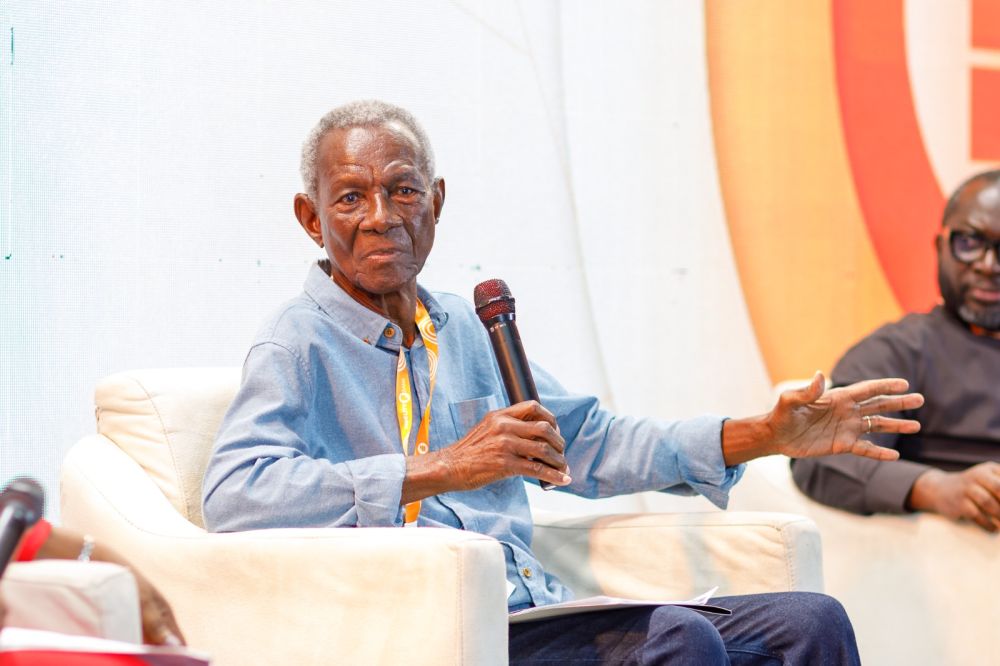
During a panel on Ghana’s macro‑environment at Fidelity Bank’s Debt Capital Markets Conference in Accra, veteran economist and investment expert Kwame Pianim praised the nation’s largest privately‑owned bank as a benchmark for sound governance, credible succession and Ghanaian ownership.
Speaking under the theme “Lower Rates, Higher Opportunity: Unlocking Growth Through the Debt Capital Markets,” Pianim opened by thanking the bank for convening a timely conversation that, he said, “gives me confidence…when I look at the numbers, I say, wow.”
Reflecting on more than five decades of Ghana’s economic cycles, he warned against complacency and urged fiscal discipline, stronger institutions and guardrails to keep the country on a growth path. He highlighted Fidelity Bank’s orderly leadership transition as proof of institutional maturity that gives investors confidence and ensures long‑term obligations are met.
When asked for advice to issuers entering the capital market, Pianim placed integrity and continuity at the core. “Be honest. Have the right numbers,” he said. “Honesty, good management, and making sure that whatever you are doing, you are going to have a good succession plan like Fidelity Bank has done, the transition from the founders of the bank to a new generation. Then you’ll be able to pay.”
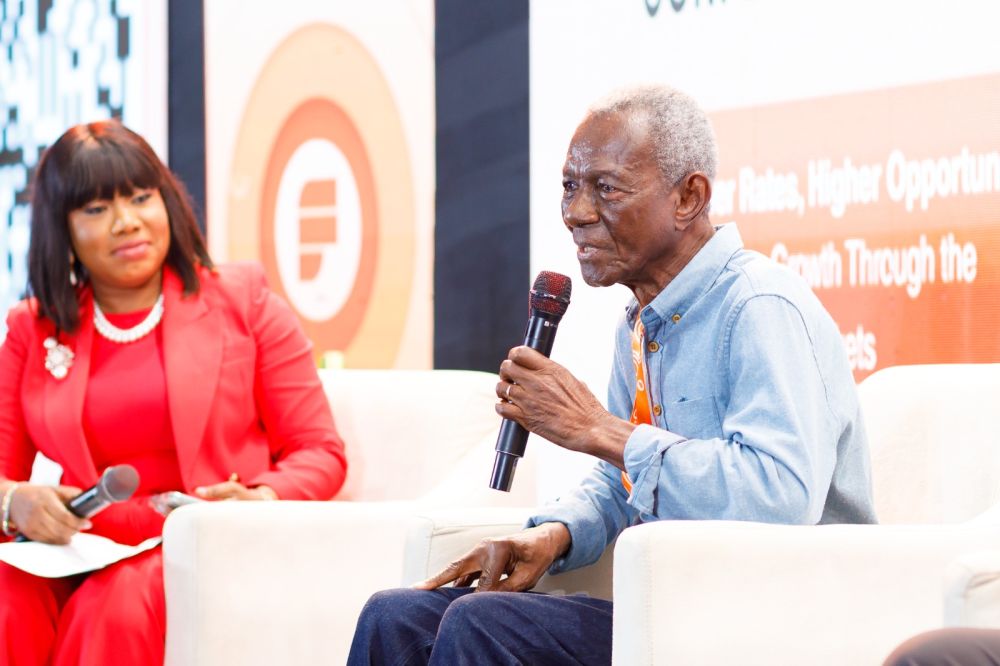
Pianim further argued that Ghana must strengthen domestic sources of capital—pension funds, insurance pools and its own institutions—and that these should be significantly owned by Ghanaians. “If we strengthen the structures, the sources, and make sure that all these financial institutions are significantly owned, like Fidelity Bank, by Ghanaians, then we are on the right path,” he said. “And then we will be dancing to our inner tune, not to others’ tune.”
The bank’s conference brought together the Bank of Ghana, the Ministry of Finance, the Ghana Stock Exchange, institutional investors and market leaders to transform the country’s recovery into lasting, productive growth.
Looking ahead, Pianim’s comments underscore the importance of homegrown ownership and governance in building a resilient capital market that serves Ghana’s priorities.