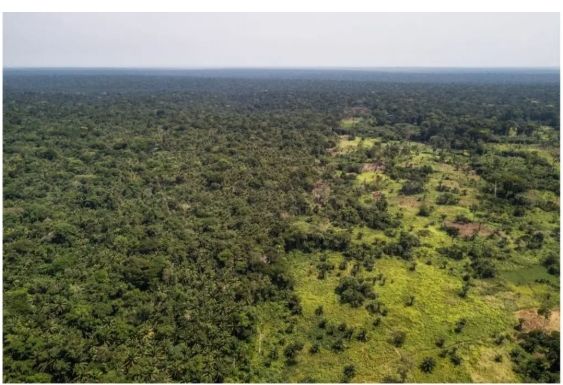
In 2025, President Felix Tshisekedi unveiled the Kivu‑Kinshasa Green Corridor, a 2,400‑km stretch from North Kivu to Kinshasa that could cover an area the size of France and house 25 million people. The initiative aims to merge nature conservation with economic development, creating jobs while protecting the Congo Basin’s vital forests and peatlands.
Climate Rights International (CRI) has issued a new report warning that oil exploration, mining and large‑scale commercial activities threaten the corridor’s environmental and human‑rights goals. CRI urges the government to ban new logging concessions, prohibit oil and gas extraction, and restrict destructive mining within the corridor.
“The Green Corridor is an ambitious initiative filled with opportunity and risk,” said Fabien Offner, a researcher at CRI. “Yet current plans do not prohibit major resource extraction and do not cancel planned large‑scale extractive activities.” Offner calls for legislation that explicitly bans destructive mining, oil and gas drilling, and logging inside the corridor.
Only four months after the corridor’s announcement, the government opened 52 new oil blocks for bidding, 28 of which overlap 72 % of the proposed corridor. The move has drawn strong opposition from the coalition Our Land Without Oil, which argues that oil development is incompatible with the DRC’s climate‑solution ambitions.
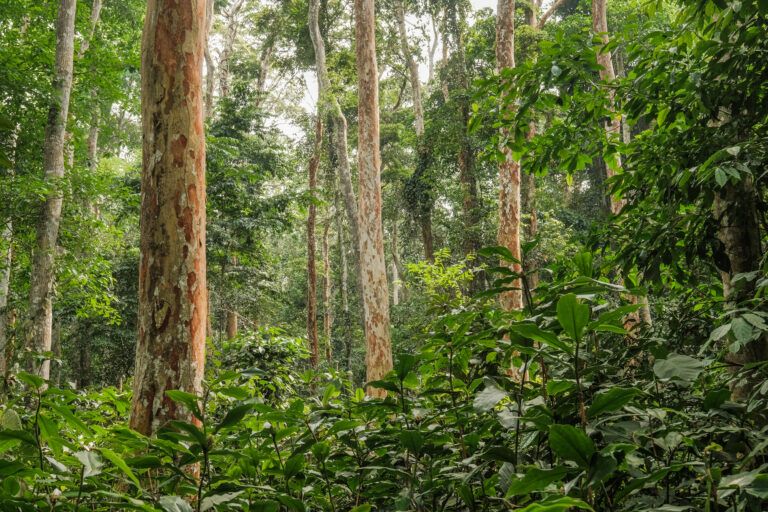
CRI also highlights the risk of forced evictions and loss of community land as investors are attracted by tax and customs incentives. The report notes that agro‑industrial projects in the DRC have been linked to human‑rights abuses, including violence against environmental defenders, and that mining projects often involve corruption, armed groups and severe environmental pollution.
While the corridor’s promoters cite community consent as a core principle, CRI questions whether the DRC’s track record on Free, Prior and Informed Consent will translate into practice. The organisation stresses the need for transparent, independent environmental and social impact assessments that involve meaningful community consultation.
The Virunga Foundation and the Congolese Institute for Nature Conservation are set to play key roles in implementing the corridor through a public‑private partnership. However, CRI warns that without stronger enforcement, the Green Corridor could repeat past mistakes and undermine both environmental protection and human‑rights safeguards.
What follows is a call for the DRC government to prioritize land and environmental defender protection, enforce strict prohibitions on extractive activities, and hold violators accountable to ensure the corridor truly delivers on its promise of sustainable development.