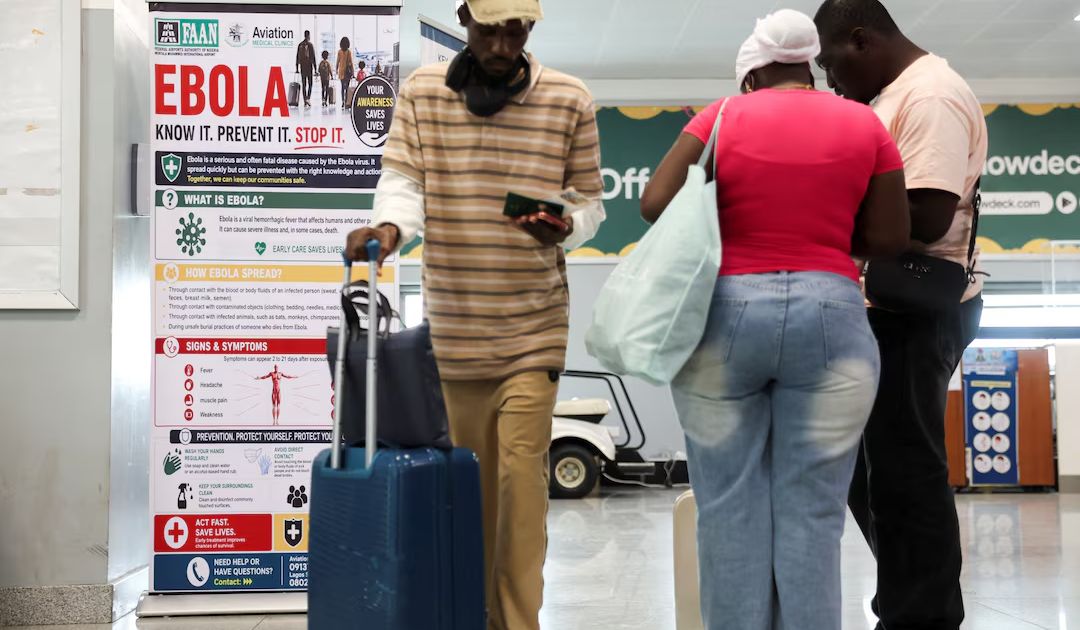
On Tuesday, the International Air Transport Association (IATA) and Airlines for America sent separate letters to the U.S. Centers for Disease Control and Prevention (CDC) urging a review of the agency’s new Ebola travel rule, which takes effect on November 3. The rule mandates that every U.S.-bound passenger and crew member file a digital or paper attestation confirming they have not been in the Democratic Republic of Congo (DRC) within the preceding 21 days.
Representing more than 370 airlines across 130 countries, IATA called the requirement “unreasonable” for carriers serving the U.S. market, citing the short two‑week window to modify check‑in systems, digital signatures, and training procedures. Airlines for America, which includes United, American, Southwest and Delta, described the plan as “unworkable” and “overly stringent, costly and burdensome.”
The letters highlighted that in 2025 U.S. Customs and Border Protection screened about 130 million air passengers, yet fewer than 25,000 had a connection to the DRC. They also requested that the CDC exempt crew members, U.S. military personnel and jumpseat travellers from the attestation requirement.
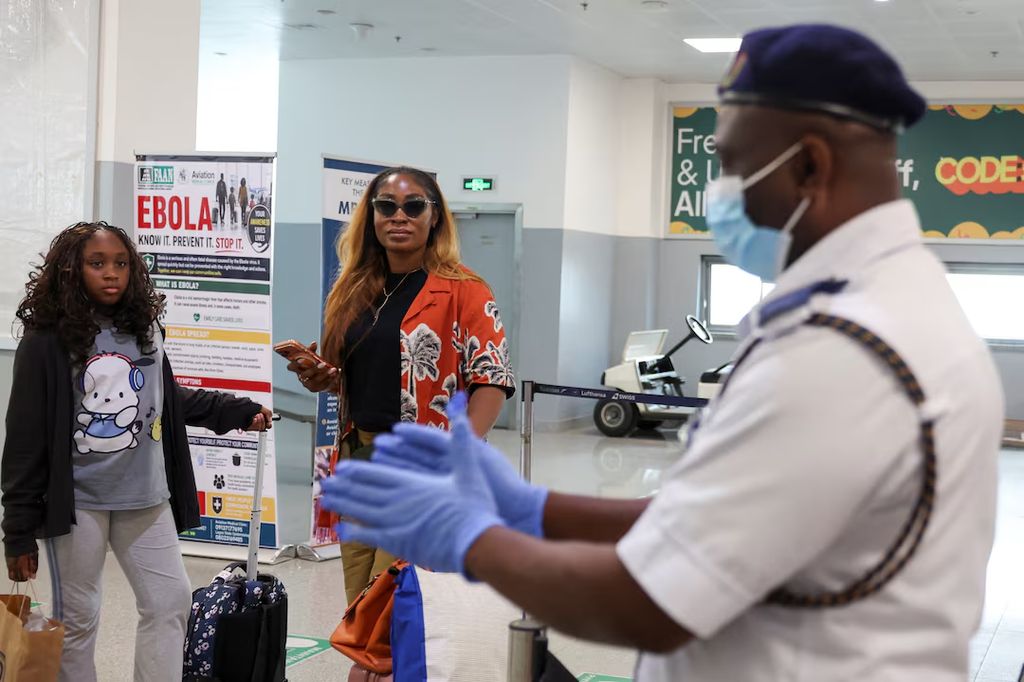
IATA further questioned why the mandate applies only to air travel, noting that maritime and surface transport were excluded despite the U.S. government’s assessment of a high Ebola importation risk. The CDC has not yet responded to requests for comment.
Since May, the CDC has barred foreign passengers who visited the DRC in the prior three weeks, a restriction later extended to U.S. citizens in July. The Bundibugyo strain, which emerged in May, kills about half of those infected and has no approved treatment or vaccine. The Africa CDC reports the outbreak has claimed roughly 4,700 lives in Africa.
Industry stakeholders are now monitoring the CDC’s next steps, hoping for a more proportionate response that balances public health concerns with operational feasibility for airlines and passengers alike.