
The Development Bank of Ghana (DBG) has disbursed more than GH¢2.5 billion since its inception, reaching almost 1,000 businesses across the country. Chief Executive Officer Prof Randolph Nsor‑Ambala said the bank’s interventions are deliberately targeted at sectors considered critical to Ghana’s economic transformation.
More than 60 % of the funding has gone to women‑led and women‑owned businesses, while over half of the disbursements have been directed to agribusiness, agriculture and manufacturing. Prof Nsor‑Ambala noted that about 40 % of the energy‑transition component of the disbursement has been allocated to micro, small and medium enterprises.
Approximately 50 % of the businesses served by DBG are located outside Greater Accra, and the bank has a footprint in every region except one. The CEO said the focus is guided by studies and data on sectors that can drive sustainable and inclusive economic growth, including agriculture, manufacturing, ICT and high‑value services such as education, health, transportation and tourism.
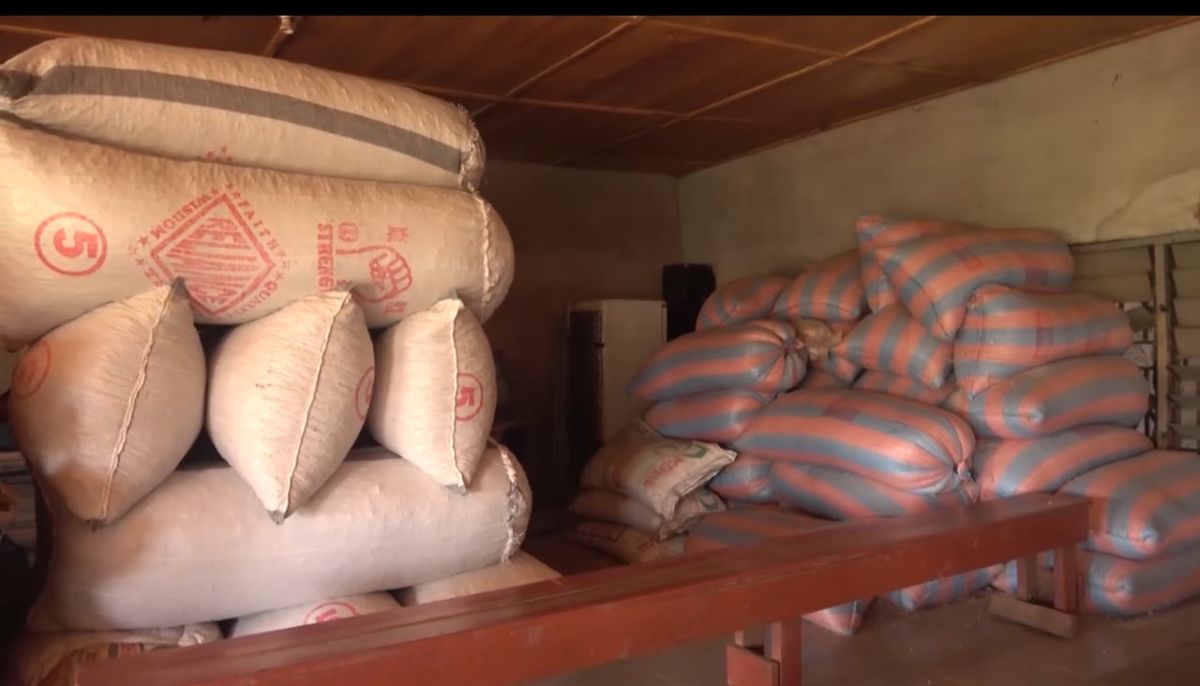
DBG’s agricultural investments target key value chains—maize, rice, cassava, sorghum and poultry—because of their potential to create decent jobs, strengthen food security and ease economic pressures linked to inflation and import dependence.
Development partners such as the World Bank, European Investment Bank, European Union, German government, KfW, African Development Bank, France and Switzerland have expressed satisfaction with the bank’s performance during its first five years. The Minister for Finance has also praised DBG’s progress while urging greater impact in the future.
Going forward, DBG plans to continue expanding its reach and deepening support for high‑growth sectors, aiming to contribute massively to Ghana’s industrial transformation and inclusive growth.