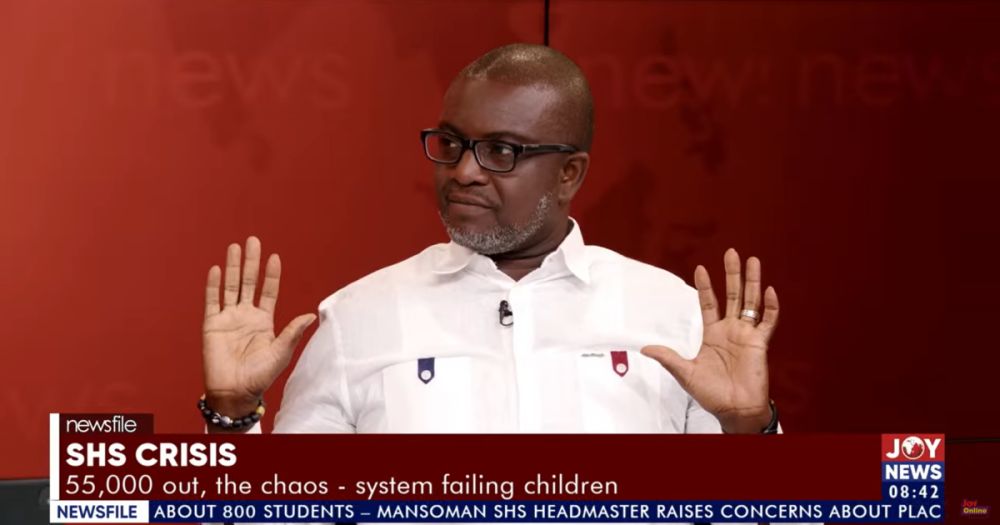
Security consultant Richard Kumador has urged Ghanaian law‑enforcement agencies to exercise greater restraint and thoughtfulness when enforcing curfew restrictions, particularly when dealing with civilians who are not resisting arrest or posing a threat.
He said that while security officers have a duty to enforce curfew regulations, they must consider the circumstances of each case to prevent the unnecessary use of force. Kumador’s comments come after the death of Issaka Abdulai, a lecturer at Gbewaa College of Education in the Upper East Region, who allegedly died following a military assault after returning home on his motorcycle shortly after curfew began.
Abdulai’s body is reportedly in police custody for an autopsy and further investigations. Kumador told Citi News Digest that security agencies should be more tactical when enforcing curfew restrictions, especially where civilians are not resisting or posing a threat.
“I think we need to be a little bit more thoughtful and tactical and strategic when it comes to enforcing the law,” he said. He added that civilians could have legitimate reasons for being outside during curfew hours, or may simply be unaware of the restrictions or late by a few minutes.
Kumador suggested that law‑enforcement could enforce the law without subjecting civilians to unnecessary harm, such as by arresting them, taking them home where appropriate or ensuring their safety before dealing with any curfew violation. He also argued that if a person is injured or unable to walk during an enforcement operation, the appropriate response should be to seek medical attention rather than abandon the individual.
“If it is true they dump him, then you would have also argued that the reasonable course of action is to take him to the hospital and identify themselves and say, we have this issue with this person. We were enforcing the law,” he stated.
Kumador called for accountability if investigations establish wrongdoing, saying the police must determine the cause and manner of death and ensure that anyone found culpable faces the law. He said the incident should serve as a broader lesson for security agencies and the public on the need for restraint, effective communication and responsible engagement during law‑enforcement operations.