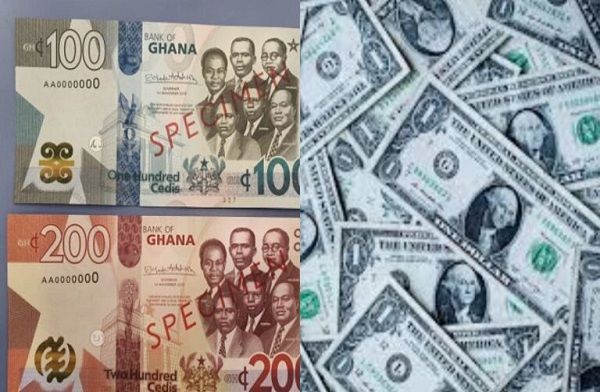
The cedi fell to GH¢11.95 per US dollar at forex bureaus earlier this week, extending its year‑to‑date depreciation to nearly 9.0%.
In the interbank market, the local currency weakened 1.85% to GH¢11.46 per dollar, while falling 1.75% to GH¢15.50 per pound sterling and 2.04% to GH¢13.31 per euro.
Retail forex movements were comparatively muted, with the dollar, pound and euro closing at GH¢11.90 (+0.42%), GH¢15.93 (-0.16%) and GH¢13.68 (unchanged) respectively.
Databank Research attributes the cedi’s weakness largely to front‑loaded pressure, noting that roughly 70% of the fortnight’s depreciation occurred in the first week.
“Pressure stemmed from strong corporate and offshore FX demand, particularly for import payments, coupon repatriation and an early year‑end inventory build‑up, against a relatively tight interbank supply. At the same time, the BoG’s reportedly lower US$500mn September intervention target further reduced the near‑term liquidity cushion,” the firm added.
The research firm projects a mild depreciation bias for the coming weeks, but expects GoldBod’s planned US$700m forex supply to commercial banks, along with continued Bank of Ghana support and reserve accumulation, to improve market liquidity and contain the risk of a disorderly adjustment.