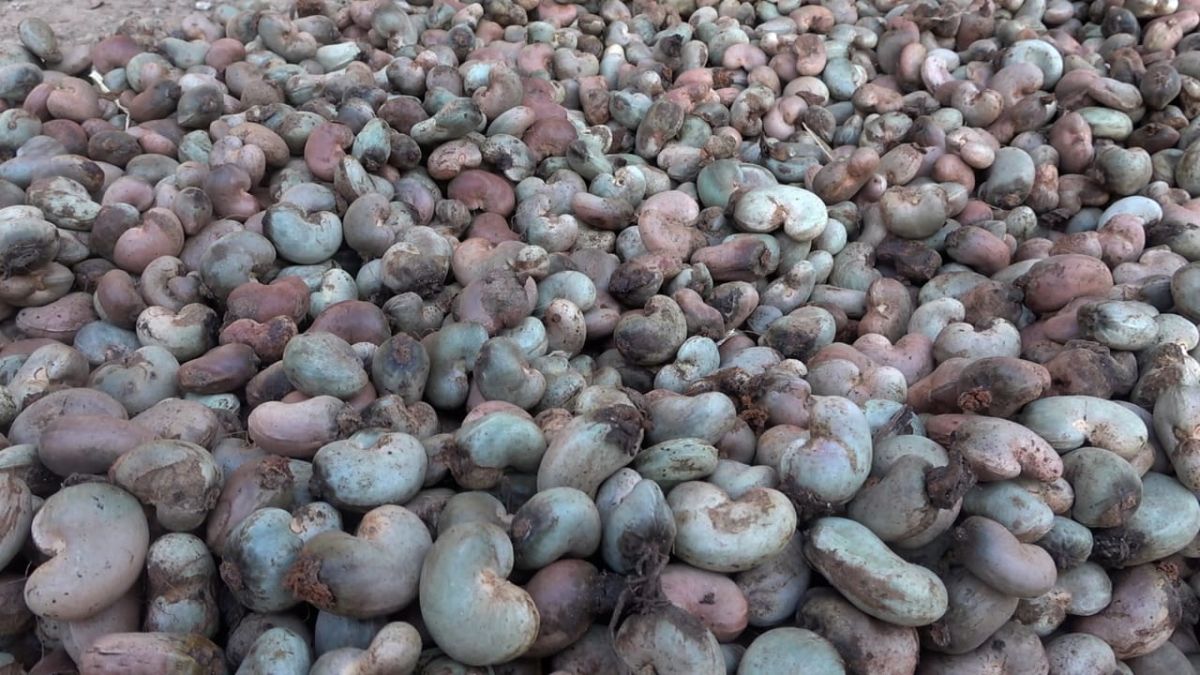
In a call to action for Ghana’s cashew sector, stakeholders highlighted that the root of value‑addition problems lies in the failure to manage moisture content of raw nuts right after harvest. The moisture level, which typically ranges from 15–25 %, must be reduced to 8–10 % before storage to safeguard quality, profitability and sustainability.
Early drying, a post‑harvest practice that can be completed in 2–4 days, is essential for preventing fungal growth, curbing germination, improving kernel outturn ratio and boosting processing efficiency. Yet, the industry remains fragmented, with each actor prioritising short‑term margins over shared quality improvement.
Farmers often sell wet nuts to aggregators to meet immediate cash needs, while aggregators, eager to beat competition and recover loans, prefer to buy wet nuts and may even adjust scales to share moisture weight loss. Traders, in turn, rarely monitor kernel outturn or moisture before storage, and processors and exporters are forced to accept lower quality and higher costs or sit idle.
To counter this “tragedy of the commons”, the Tree Crop Development Authority has set a minimum producer price of GH₵12.0 per kilogram for raw cashew nuts that meet a 46‑lb kernel outturn, 190‑nut count and 10 % moisture content for the 2026 season. This regulatory move aims to make moisture management central to fair pricing.
Experts argue that the entire supply chain must view early drying as a shared responsibility. Farmers should be encouraged to dry nuts at the farmgate, aggregators should insist on dry stock, traders should invest in storage and quality control, and processors should reward high‑quality inputs with appropriate prices.
In one community, farmers united to refuse wet nuts, a strategy that has proven effective and could be replicated elsewhere. The industry now faces a choice: continue trading wet nuts and endure declining returns, or adopt early drying practices that benefit every link in the chain.