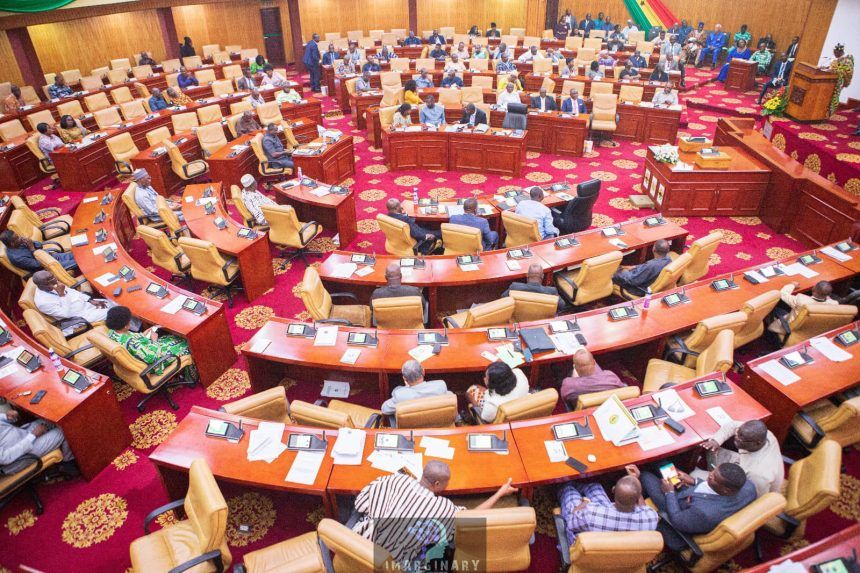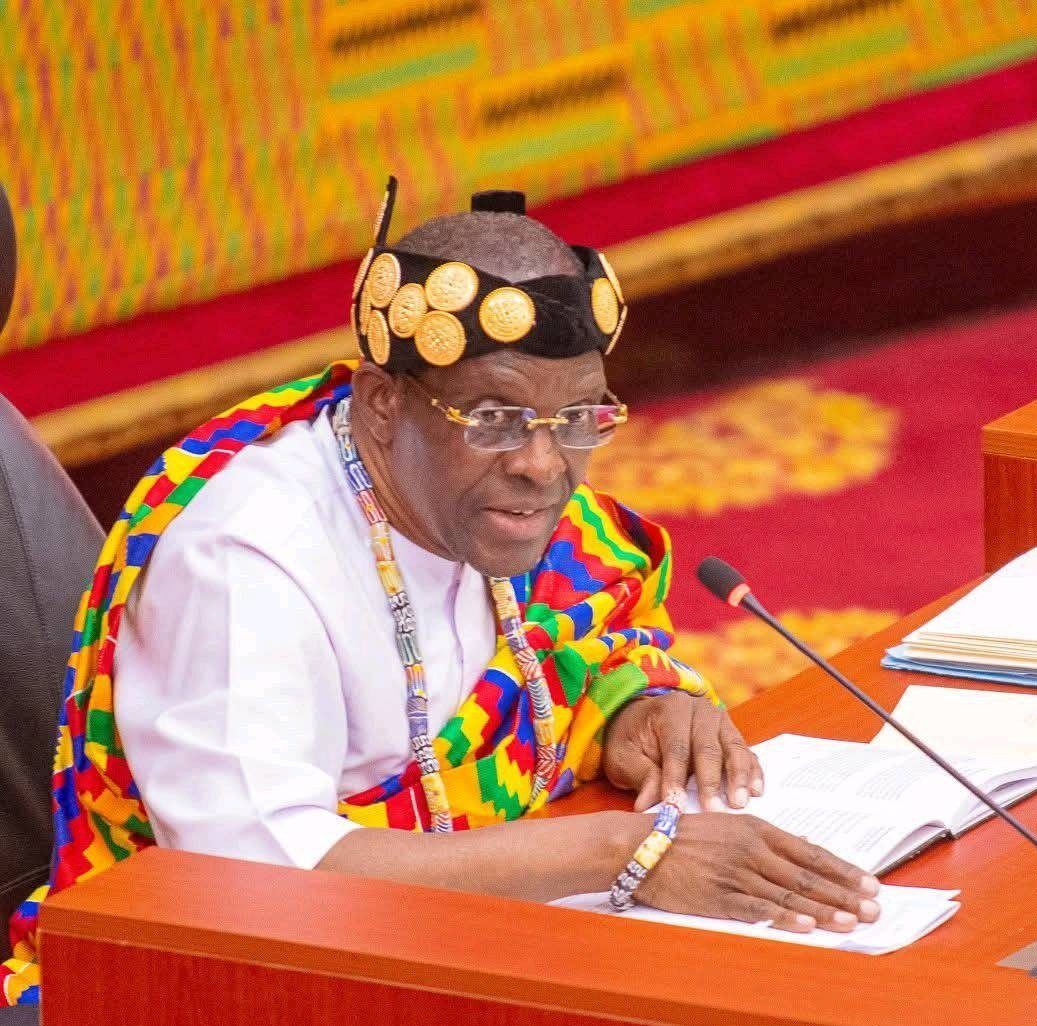
Speaker Alban Sumana Kingsford Bagbin has instructed Parliament’s Defence and Interior Committee to summon the National Disaster Management Organisation (NADMO) and other relevant bodies to brief the House on Ghana’s readiness for the anticipated El Niño expected next year. The directive followed a statement by MP Patricia Appiagyei of Asokwa, who warned that forecasts from the Ghana Meteorological Agency (GMet) could bring significant consequences for the country.
Bagbin asked the Committee to review provisions in the 2027 Budget aimed at addressing the likely impacts of the weather phenomenon and to assess the readiness of agencies responsible for disaster prevention and response. He urged the matter be treated as a national priority and to invoke Standing Orders to compel institutions with disaster‑management duties to account for their preparedness measures.
Appiagyei cautioned that El Niño could affect key sectors such as agriculture, water resources, hydroelectric power and public health if preventive measures are not taken. She highlighted Ghana’s past experiences with major El Niño episodes in 1982/83, 1997/98 and 2015/16, which exposed the country to prolonged dry spells, erratic rainfall and climate‑related disruptions. She called for proactive national planning, stronger inter‑agency coordination and adequate budgetary allocations to minimise the potential impact on livelihoods, food security and critical infrastructure.
Responding, Majority Leader James Agalga, MP for Builsa North, assured the House that the issue had not escaped the Government’s attention. He said the Mahama Administration had already begun engaging key disaster‑management and emergency‑response institutions to plan and implement mitigation measures ahead of the expected weather event.
According to an advisory from GMet, the ongoing El Niño is expected to strengthen through January to March 2027, with an 83 per cent probability of reaching strong to very strong intensity. The agency has advised national and local authorities to undertake preparedness measures to reduce potential risks associated with rainfall variability, dry spells, flooding, water shortages and other climate‑related challenges.
The debate underscored growing concern among lawmakers over the country’s readiness to respond to extreme weather events and their possible socio‑economic consequences.