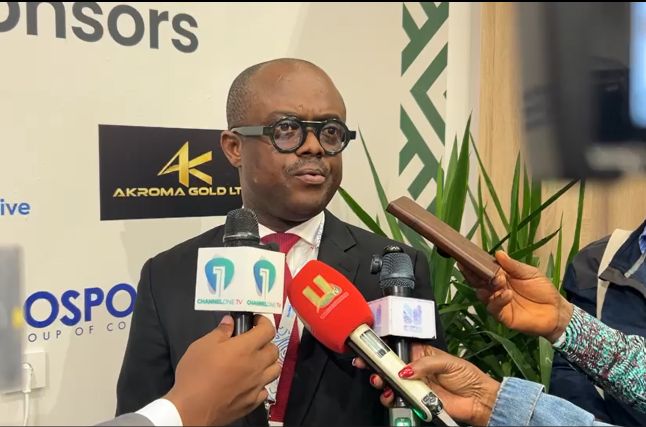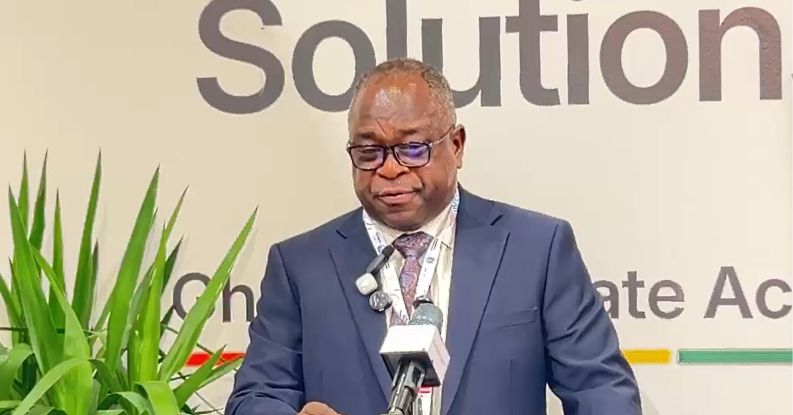
Ghana’s Minister of State for Climate Change and Sustainability, Seidu Issifu, said the country is demanding stronger climate financing, improved resilience and greater access to carbon markets as the 31st United Nations Climate Change Conference (COP31) unfolds in Antalya, Turkey.
Speaking to journalists on the sidelines, Issifu highlighted Ghana’s priorities: predictable climate finance, adaptation and resilience measures, and leveraging carbon market opportunities to boost funding for development challenges. He added that the nation is also working to advance Africa’s collective interests in climate financing and support for developing countries.
“COP31 is unique. Everybody is very deliberate about what to achieve and what to do. We are moving from pledges to implementation. It is all about implementation and nothing else,” the minister said.
For Ghana and other climate‑vulnerable countries, securing adequate financing is crucial to translate climate plans into projects that protect communities, strengthen infrastructure and support economic development. Issifu stressed that public understanding and community participation will determine the success of Ghana’s climate agenda, calling for stronger partnerships between government, media and other stakeholders to improve climate education.
He challenged journalists to move beyond reporting on climate negotiations and play a more active role in educating communities and encouraging environmentally responsible behaviour.
On waste management, Issifu urged Ghana to treat waste as an economic resource rather than solely an environmental problem, seeking innovative solutions that create economic value while supporting environmental protection and climate action.
The minister also highlighted financing as a major requirement for Ghana’s energy transition and the implementation of its Nationally Determined Contributions (NDCs). He said the country’s updated NDC framework for 2025‑2035 requires an estimated US$53.3 billion, covering mitigation and adaptation programmes across energy, transport, agriculture, forestry, water and health.
Issifu expressed confidence that access to climate finance and strategic partnerships would help Ghana move from policy commitments to practical implementation, calling for stronger partnerships with international institutions and development partners to mobilise the necessary resources.
As COP31 brings together governments, international institutions, businesses and civil society organisations, Ghana is pushing for concrete outcomes that deliver the resources and interventions needed to implement climate commitments.