Traders at the Kantamanto Market in Accra are struggling to make sales as customers increasingly complain about a lack of money to buy goods, a situation that is putting pressure on businesses and threatening their ability to remain profitable.
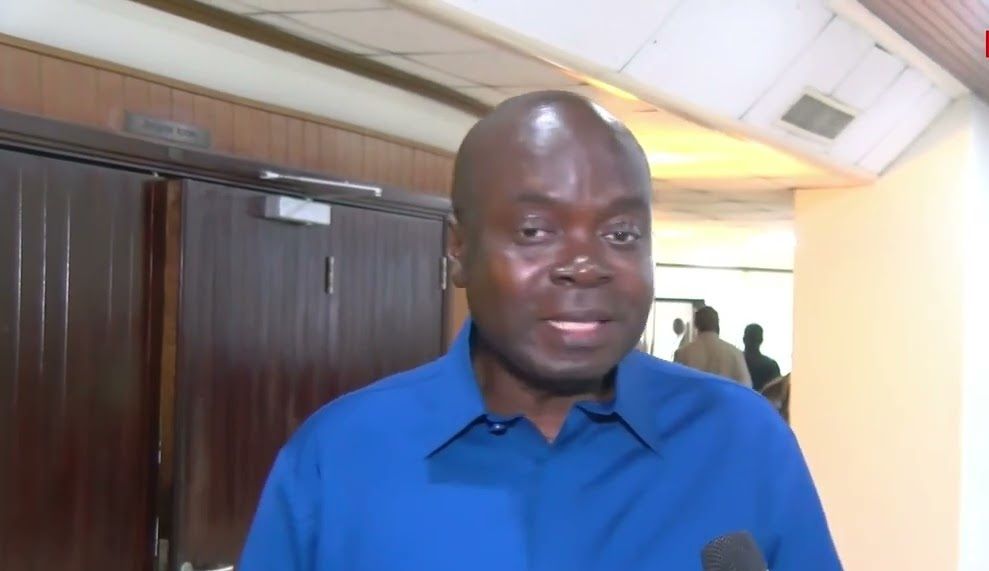
Susana Asabea, a trader at the market, said the slowdown in purchasing has left many sellers spending long hours at their stalls without making enough sales to sustain their businesses.
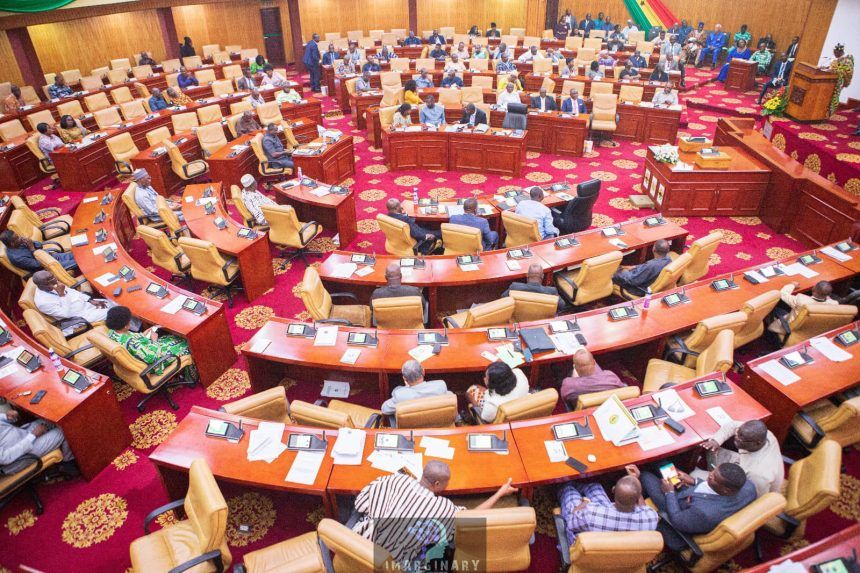
She has appealed to Finance Minister Dr Cassiel Ato Forson to address the financial difficulties confronting households and traders in the 2027 Budget, which is scheduled to be presented to Parliament on Thursday, November 12.
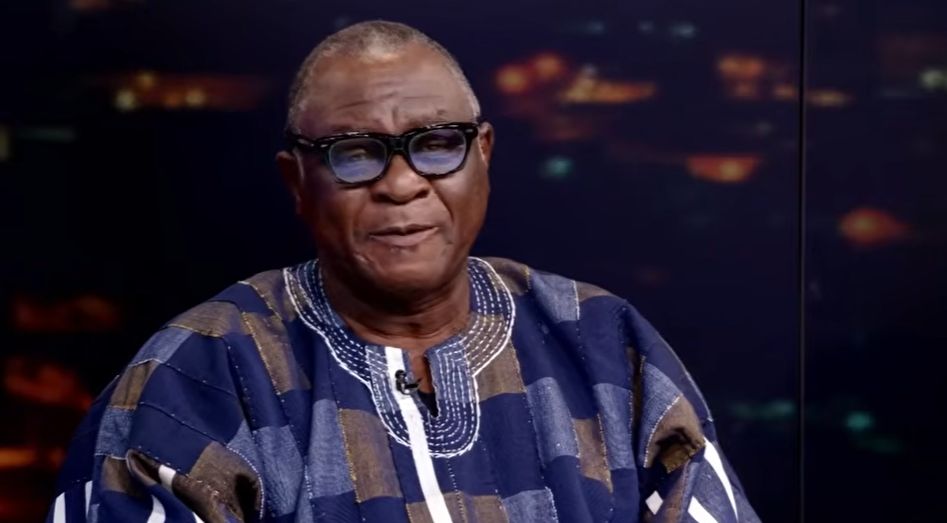
Speaking on the PM Express programme on Joy News on Wednesday, Ms Asabea said trading at Kantamanto had become increasingly difficult, with customers often unable to pay the prices quoted by sellers.
She explained that traders who bought goods at relatively high prices were being forced to contend with customers offering substantially lower amounts, sometimes insisting on paying only the original purchase cost.
“When you go and buy something with a high price and someone is coming to buy it, the amount you call to the person, the person reduces it half,” she said.
According to her, buyers frequently explained that they had no money, making it difficult for traders to sell their goods at prices that would allow them to recover their costs and make a profit.
She said the situation had left sellers virtually stuck, as goods remained unsold while business expenses continued.
“When you are selling and someone can’t buy, that means you are standing still. You are not moving forward,” she said.
Ms Asabea said she and other traders were hopeful that the 2027 Budget would introduce measures that would ease the financial pressures on ordinary Ghanaians and restore activity in the trading sector.
She said the problem appeared to extend beyond the market, with people from different backgrounds and age groups complaining about their inability to afford goods and meet everyday expenses.
“When we go to the market, we just sit; they are not buying. Everybody is complaining,” she said.
She urged the Finance Minister to pay particular attention to buying and selling, arguing that the difficulties facing individual traders had wider consequences for the national economy.
She said trading was an important part of economic activity and that businesses could not expand or contribute meaningfully to national development when customers lacked the means to purchase goods.
“If we are not trading properly, how can the country move forward? The country can’t move forward,” she said.
Ms Asabea called for measures that would improve the conditions for buying and selling, saying the current situation was affecting the livelihoods of traders and the financial wellbeing of households.
Her appeal adds to calls from businesses for the 2027 Budget to address not only the cost of doing business but also the ability of consumers to spend.
For traders at Kantamanto, the immediate concern is straightforward: without customers who can afford to buy, stock remains on the shelves, sales fall and businesses struggle to move forward.