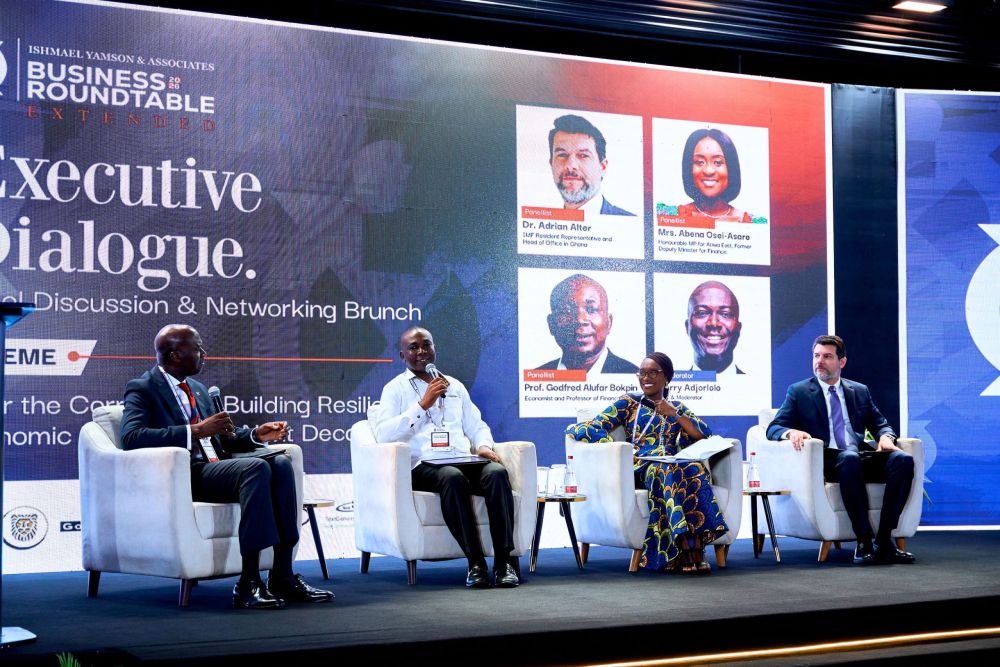
In a two‑day forum held at Accra’s Mövenpick Ambassador Hotel, senior public officials, private‑sector leaders, academics and development partners gathered to translate Ghana’s recent macroeconomic stabilisation into lasting prosperity. The Executive Dialogue, themed “After the Corrections: Building Resilient Economic Pillars for the Next Decade,” was convened by Ishmael Yamson & Associates through the Ishmael & Yamson Foundation.
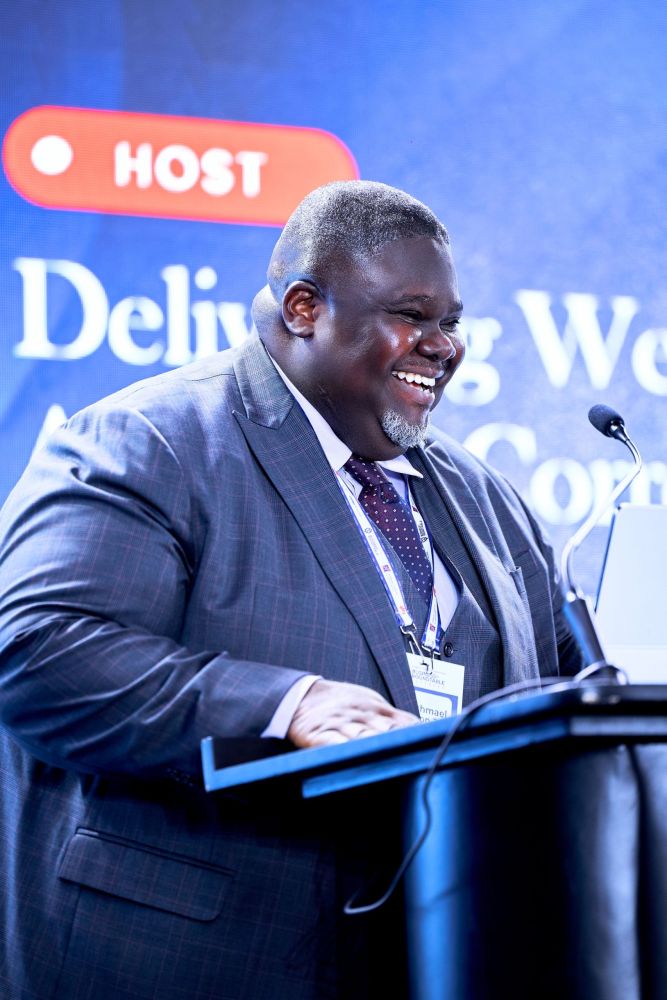
President and CEO Ishmael Yamson Jnr. opened the event by warning that Ghana’s persistent challenge is not a lack of diagnosis but a failure to sustain implementation. “Ghana does not have a diagnosis problem. We know precisely what is wrong with this economy, and we have for thirty years,” he said. He urged participants to move beyond familiar talking points, ask hard questions and leave with concrete commitments rather than mere consensus.

Representing the Ministry of Finance, Deputy Minister Thomas Nyarko Ampem outlined a five‑pillar framework to guide the country from correction to construction. The pillars call for stronger economic buffers, a more productive economy, private‑sector investment capacity, robust institutions beyond political cycles, and growth that Ghanaians can feel. He stressed that macroeconomic stability must reach factories, farms, markets and households through value addition, productivity and job creation.
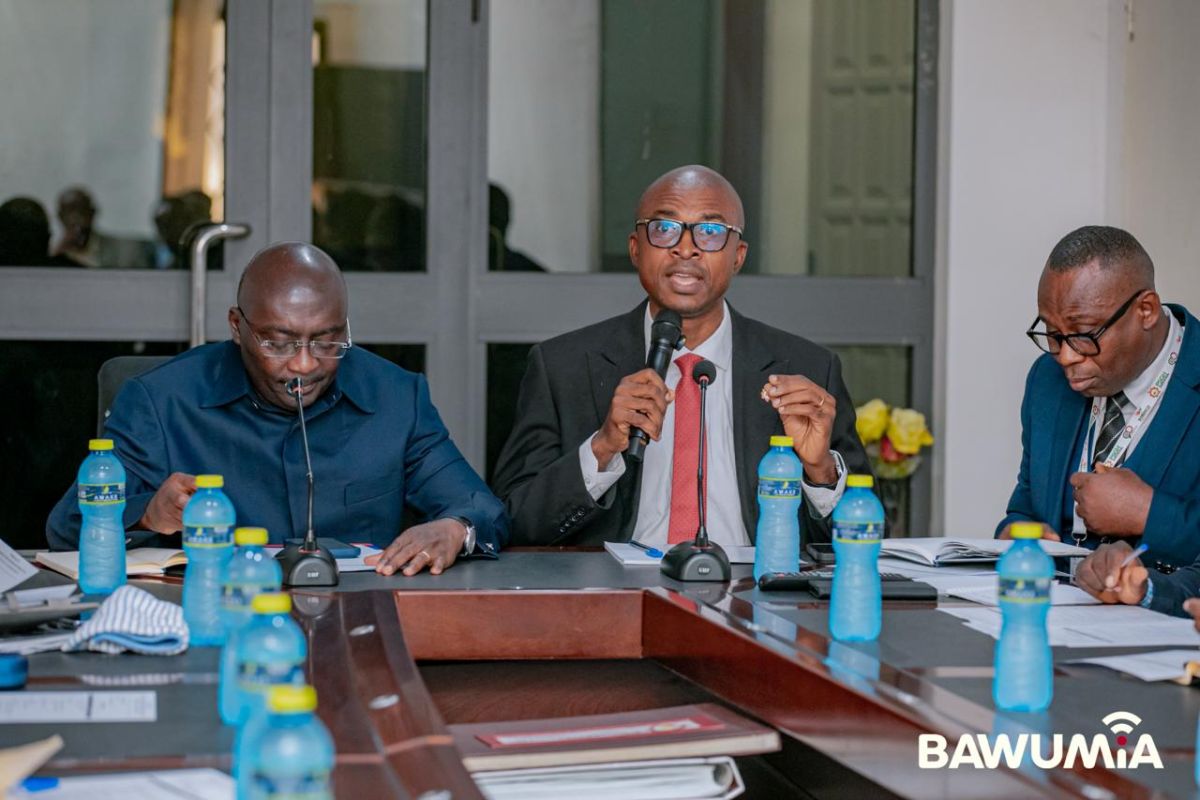
The panel, chaired by Jerry Adjorlolo, included IMF Resident Representative Dr. Adrian Alter, MP Abena Osei‑Asare and University of Ghana Business School Professor Godfred Alufar Bokpin. Bokpin warned that headline indicators alone do not capture the reality of households and businesses. He urged policymakers to focus on the quality and distribution of growth, fiscal discipline that delivers value for money, and environmental sustainability in mining and resource use.
Amid the discussion, the government framed a new compact with the private sector: the state must provide stability, predictability, infrastructure and efficient regulation, while businesses must respond with investment, innovation, productivity, exports and jobs. The dialogue concluded with a call for concrete commitments that will endure beyond individual administrations.
Ghana’s next decade will hinge on turning its macroeconomic gains into a resilient, diversified economy. The dialogue’s outcomes will shape the country’s policy trajectory and the private sector’s role in sustaining growth.