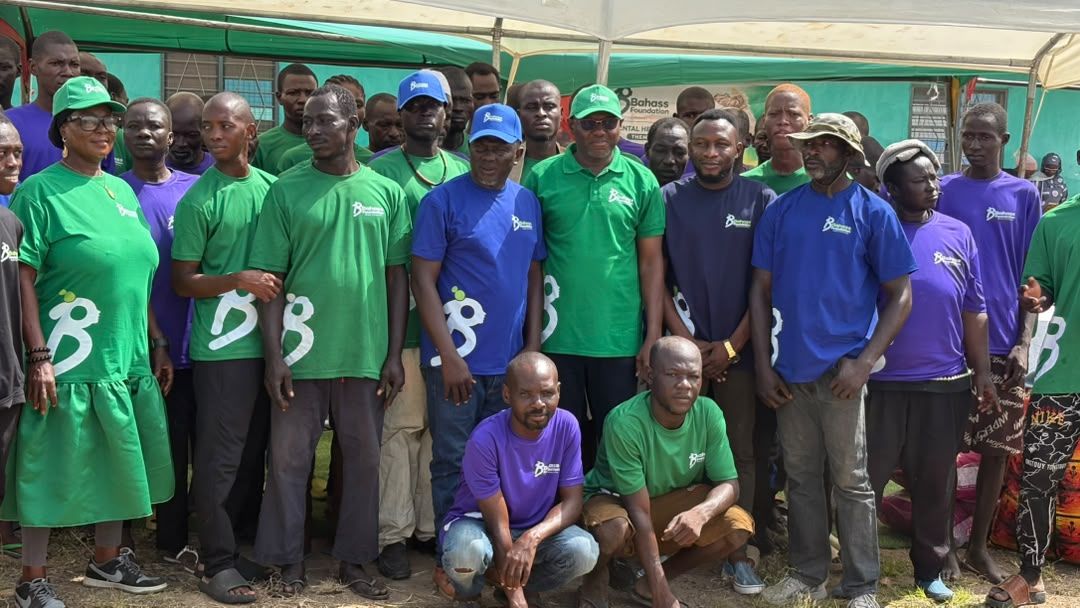
On World Mental Health Day, the Bahass Foundation unveiled a vocational skills programme in Wa, Upper West Region, to help residents in rehabilitation gain employable abilities and reduce relapse linked to unemployment and stigma.
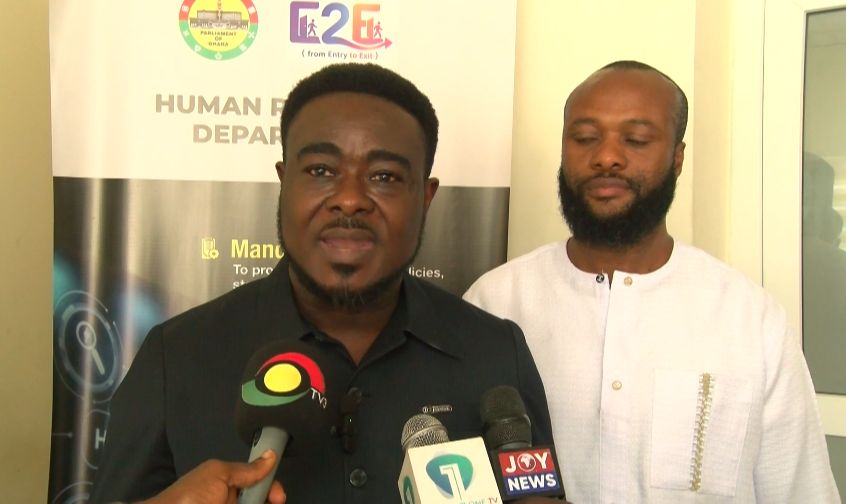
Chief Executive Officer Ilyasu Yussif Baba explained that clinical treatment alone is insufficient if patients return to environments where they have no productive activity. “Rehabilitation alone cannot solve all problems. Many of them, when they go back, do not have anything doing. That is why we decided to launch skills training,” he said.
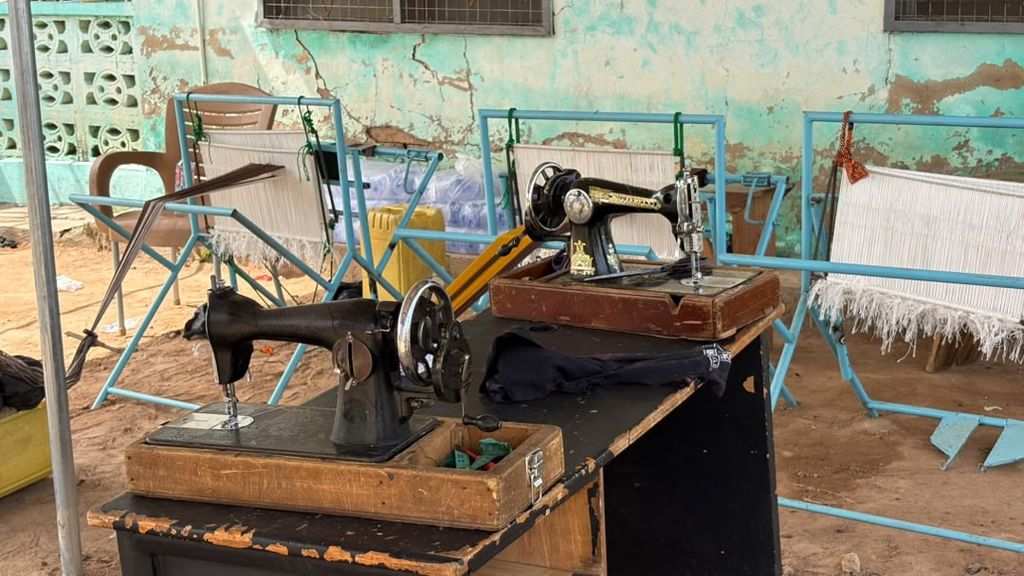
The initiative offers practical training in tailoring, smock dressmaking and traditional weaving, enabling participants to earn a living and reintegrate into their communities. At the launch, 18 residents had already started the courses, and two were producing woven items independently.
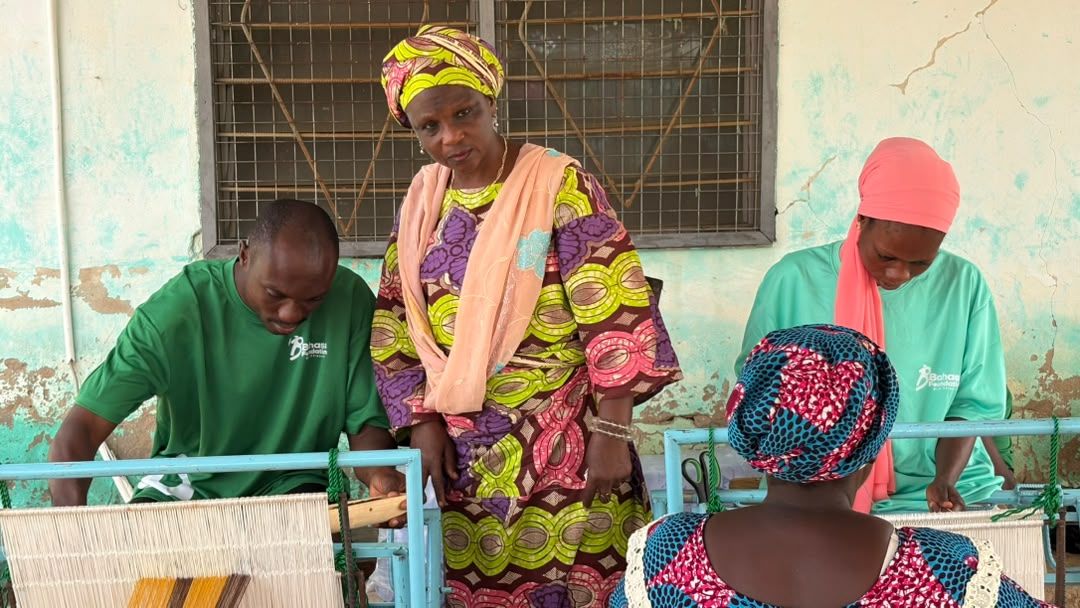
Gifty Mary Sunchebe, a Nandom resident who struggled with substance abuse, demonstrated how she coils thread for smock weaving. “Coming here has given me a new skill. When I go home, I will show my parents what I can do so they can support me to start on my own,” she said.
Bayuo Fortunatus, learning smock weaving, added that vocational skills can help those recovering from mental health conditions overcome stigma and achieve financial independence. “Being in a mental home does not mean your life has ended. Employment issues affect everyone. Once you acquire a viable skill, you go out into the world able to provide for yourself and stay stable,” he noted.
The event also featured a testimony from Mohammed, known as “Killer Ntua,” a former resident who returned home with his wife and son after recovery, expressing gratitude to the foundation. Ali Labaran highlighted the centre’s dual role as a recovery and addiction detoxification facility.
Upper West Regional Mental Health Coordinator Sylvester Basagnia praised the foundation’s focus on lived experience but warned against stigma and abandonment. He cited a senior high‑school teacher who lost his job after developing mental health complications and called for dignity in addressing mental illness.
Community donations followed the launch. The Jawara Foundation gave clothing, rice, oil, detergents, toiletries and GH₵1,000; the Cathedral Parish of St. Theresa donated clothing, toiletries and GH₵500; and the Upper West branch of Muslim Women in Teaching contributed funds and urged families to listen to distressed relatives.
Despite rehabilitating more than 48 individuals, the Bahass Foundation faces infrastructural challenges. All 72 residents currently share a single compound house, and a dormitory project has stalled at the window stage. Mr Baba appealed to philanthropists, government agencies and the public for building materials and financial support.
With the launch of this training, the foundation aims to equip residents with skills that foster independence and reduce the likelihood of relapse, strengthening community wellbeing in the Upper West Region.