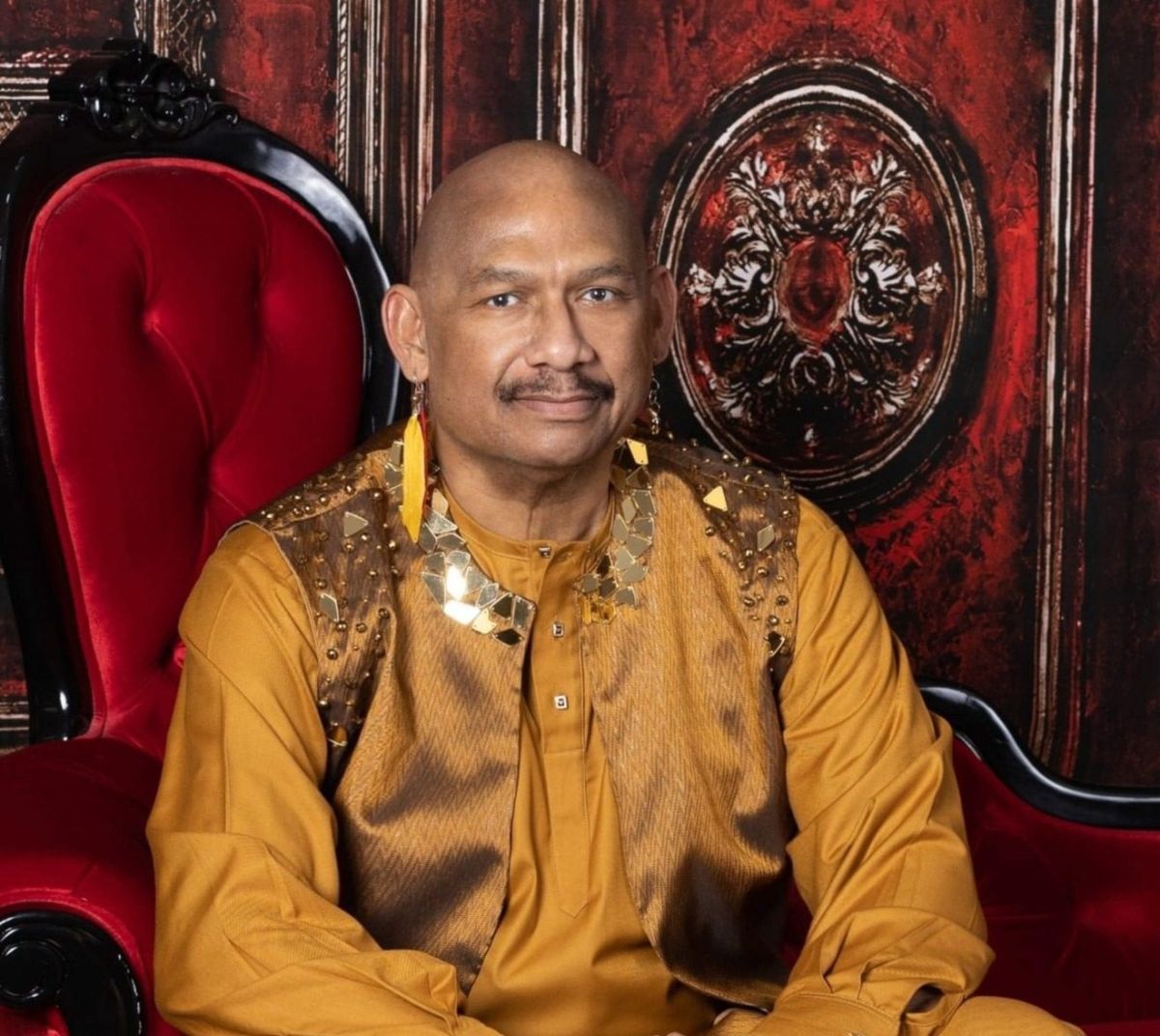
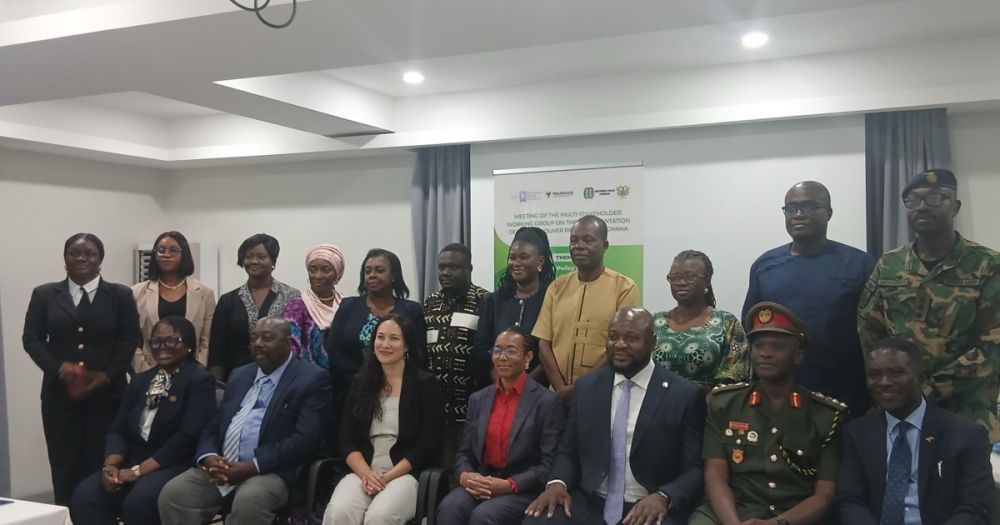
Dr Zanetor Agyeman‑Rawlings, Ghana’s Minister for Environment, Science, Technology and Innovation, urged the country to strengthen national systems and foster closer institutional collaboration to stop children from being recruited or used in armed conflict. She made the appeal at the opening of a two‑day inaugural meeting of the Multi‑Stakeholder Working Group on the implementation of the Vancouver Principles in Accra on Thursday.
The gathering, organised by the National Peace Council (NPC) and the Dallaire Institute, brought together representatives from security institutions, ministries, Parliament, academia, civil society and international partners to review the Group’s terms of reference, elect leadership and outline next steps toward drafting a comprehensive National Vancouver Principles Implementation Strategy.
Agyeman‑Rawlings stressed that child protection must extend beyond responding to the consequences of conflict. She said the country should identify vulnerabilities early and strengthen mechanisms capable of preventing victimisation before a child is recruited or used by an armed group.
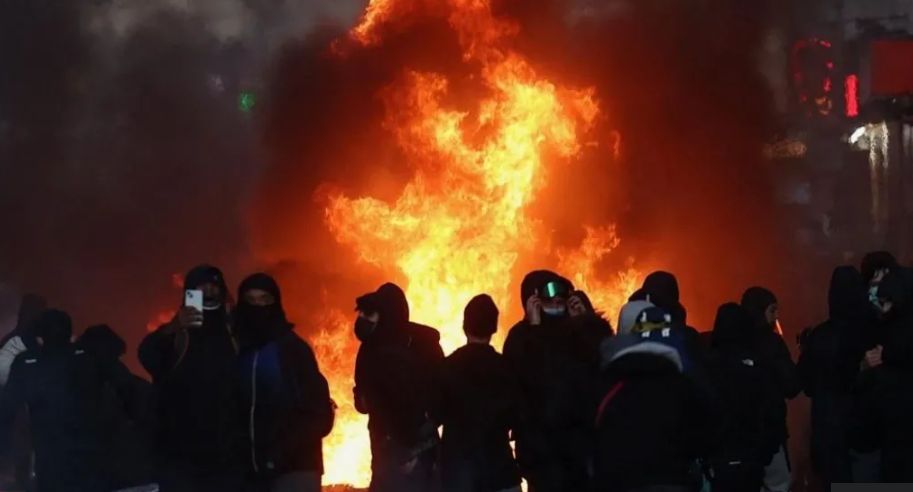
She cautioned against complacency, noting Ghana’s relative peace since the return to democracy but warned that the region faces violent extremism, terrorism, organised crime and political instability. She highlighted that conflicts in the Sahel can spill over through displacement, trafficking, exploitation and increased recruitment risks for young people.
As the elected Chairperson of the Working Group, Agyeman‑Rawlings urged members to adopt an anticipatory approach, building early‑warning systems, institutional capacity and incorporating child protection into security policies, training, planning and operations. She warned the Group must avoid becoming a platform for periodic meetings without translating discussions into coordinated action, insisting on clear responsibilities, realistic timelines and mechanisms for monitoring, accountability and coordination.
“Protecting children from recruitment and use in armed conflict is not only a child‑protection obligation. It is an investment in peace, national security and the future resilience of our society,” she said.
NPC Executive Secretary Dr George Amoh highlighted the opportunity to institutionalise child protection within Ghana’s national peace and security architecture, linking community‑level early warning signals to national policy. Dallaire Institute Project Director Mr Arsene Mukendi Tshidimu added that protecting children should be seen as a peacebuilding, security, governance and development issue, and praised the Working Group’s potential to position Ghana as a regional leader in the Children, Peace and Security agenda.
Ghana is one of 107 countries that endorsed the Vancouver Principles in 2025, a set of 17 political commitments launched by Canada in 2017 to protect children in United Nations peacekeeping and prevent their recruitment by armed forces and groups.
The next steps will see the Group draft Ghana’s National Vancouver Principles Implementation Strategy, with an eye to establishing a sustained, institutionalised mechanism that links community early warning to national policy and action.