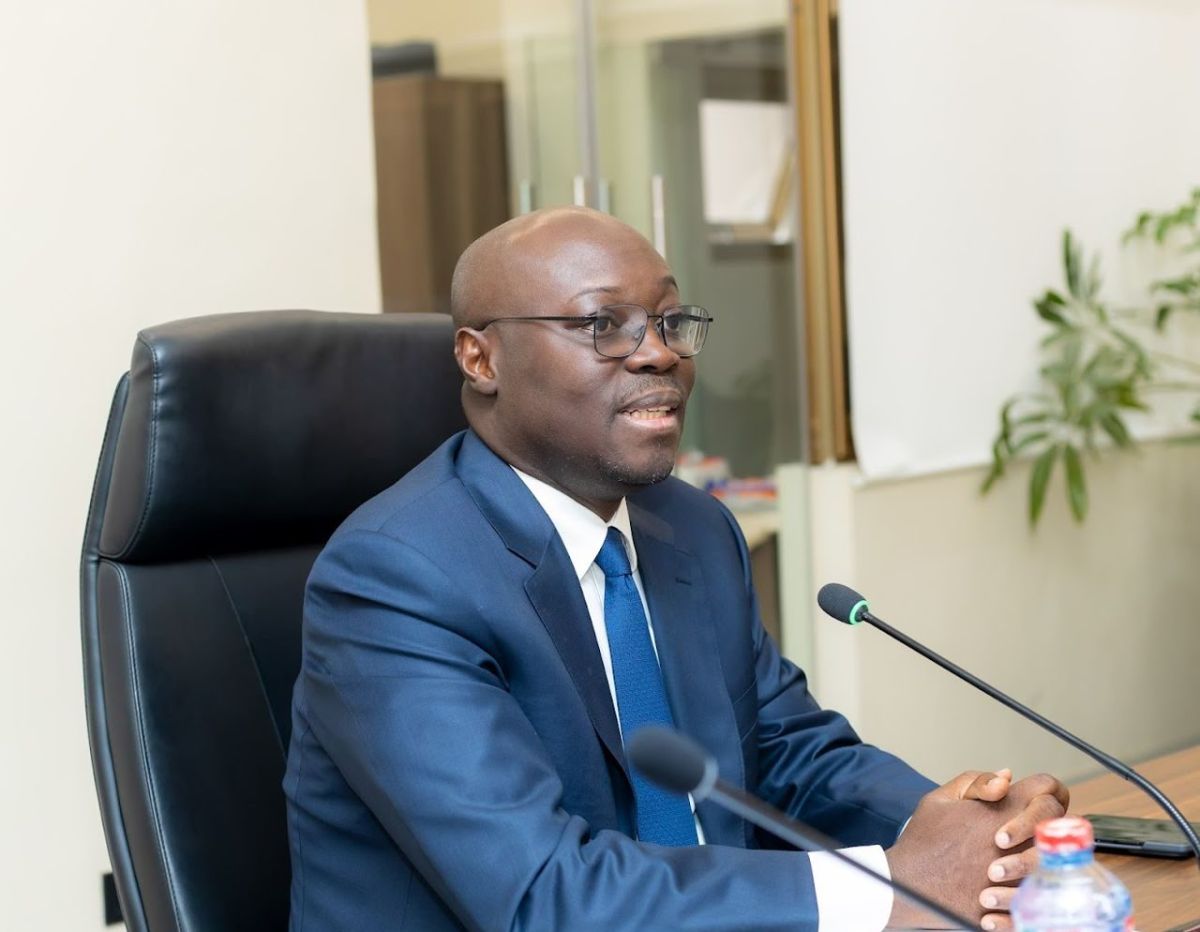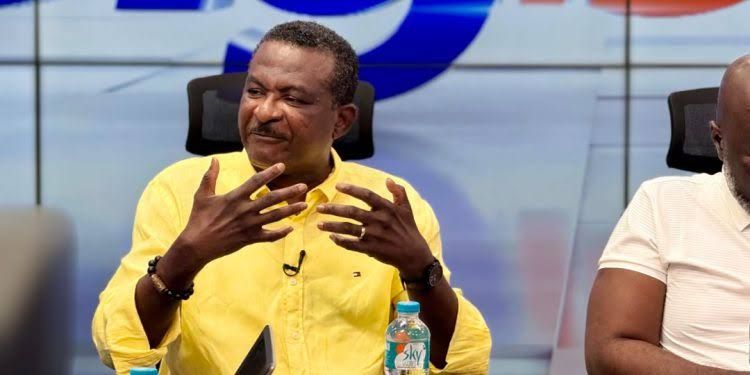
George Kweku Ricketts‑Hagan, Member of Parliament for Cape‑Coast South and a Finance Committee member, told the Ghana News Agency on the sidelines of the IMF and World Bank Group meetings in Bangkok that the next priority for Ghana’s 24‑hour economy policy is to translate the foundations already laid into sustainable jobs, especially for the growing youth population.
The policy, launched in July 2025, aims to boost productivity, promote industrialisation, strengthen export‑led growth and create jobs by encouraging businesses to operate beyond conventional working hours. Ricketts‑Hagan said the initial building blocks were established, but the initiative’s success will depend on effective implementation of measures that stimulate economic activity and expand employment opportunities.
Speaking as the 24‑hour Economy Secretariat had set the necessary groundwork, he added:
We probably did not comprehend the enormity of the initiative, but it’s not something that’s supposed to be short‑term. It’s long‑term, so it has to be planned properly. What the 24‑hour Economy Secretariat has done is that they’ve put the building blocks in.
The MP highlighted concerns about the proposed three‑shift system, a key component of the policy, and called for a phased implementation backed by annual budgetary allocations. He stressed that reliable electricity supply, business incentives and access to ready markets are critical conditions for the initiative to succeed.
He noted that tax reductions could encourage businesses to extend their operating hours, but such incentives would have limited impact without a dependable power supply to support continuous production.
Looking ahead, Ricketts‑Hagan expressed optimism about the forthcoming US$10 billion New Economy policy, expected to launch in 2027. He said the framework would build on existing economic reforms and direct government spending toward sectors with the potential to drive targeted growth and generate sustainable employment.
He added:
I do not want to pre‑empt the Finance Minister, but the New Economy will build on existing reforms and focus on growing the economy in a manner that creates sustainable employment.
As Ghana moves toward a 24‑hour economy, the focus will now shift from laying foundations to delivering on job creation and economic growth, with reliable power and targeted incentives identified as key levers for success.