The United States Department of Agriculture’s Rural Energy for America Program (REAP) will face new hurdles under President Donald Trump’s latest policy changes, which take effect on October 16. The adjustments mean farmers can no longer apply for grants until a project is completed and has demonstrated one year of energy savings, a shift from the previous model that allowed pre‑project applications covering up to 50% of costs.
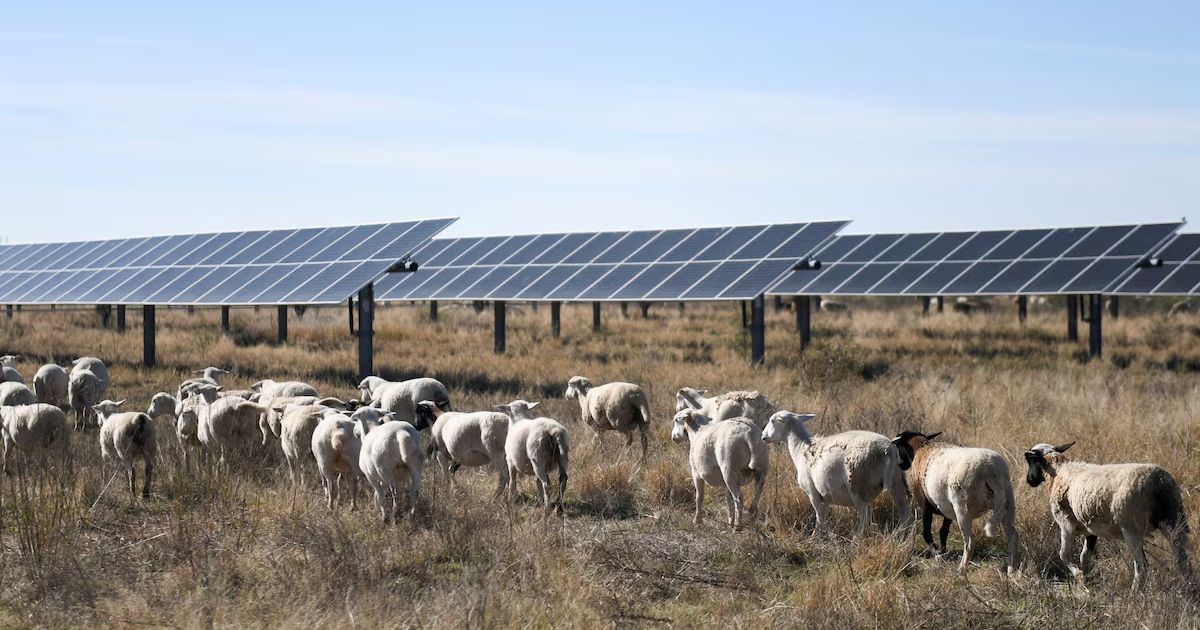
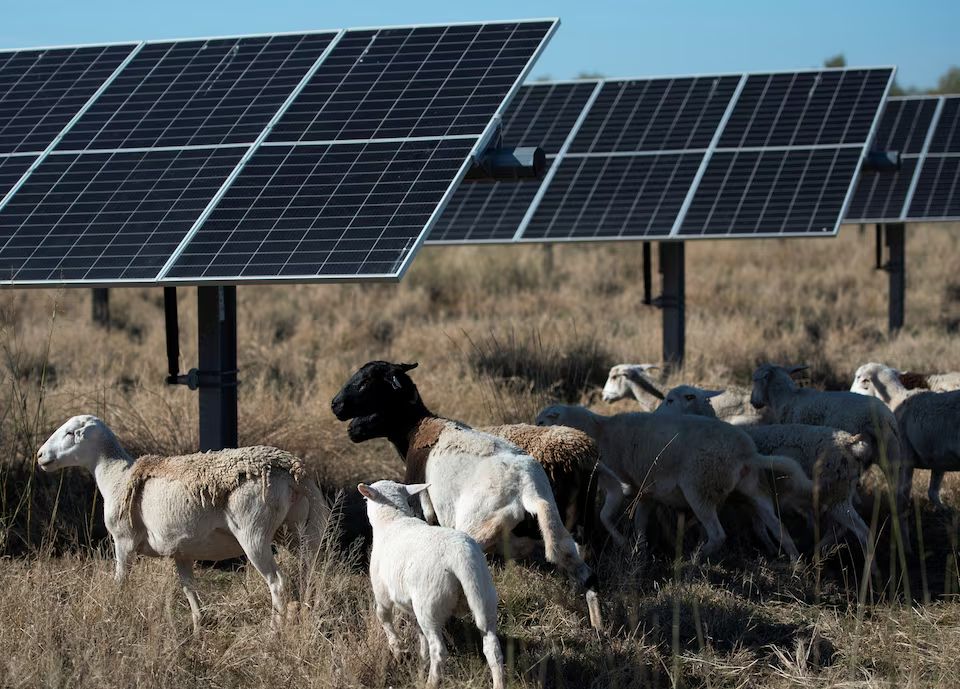
Over the past decade, REAP has funded more than 19,000 renewable energy and efficiency projects for American farmers and small businesses, investing over $4.8 billion between 2014 and 2025. Nearly two‑thirds of those grants have gone to solar arrays, a figure that has helped rural farms reduce utility bills and generate income.
Richa Patel, policy specialist at the National Sustainable Agriculture Coalition, warned that the new rules would make it “impossible” for many farmers to secure the necessary funding, especially amid rising fuel and fertilizer costs. “For a lot of farmers, that simply won’t be possible, especially with these times already being so financially uncertain,” Patel said.
A USDA spokesperson explained that the changes aim to ensure the program pays for actual production and results, not just projections. The administration had already halted REAP applications this year while revising regulations and had previously limited eligibility for solar projects, citing concerns over prime farmland use.
Veronica McFadden, who left a solar company to help farmers apply for REAP grants, noted the program’s sudden slowdown has led to layoffs and uncertainty for her clients. “Now it’s much riskier,” she said. “For small farmers, particularly young farmers, they may not be able to do this, pay it all upfront.”
Michigan dairy farmer Ron Rusk, who had applied for an $85,000 solar grant to power 80% of his farm’s electricity, saw his application denied under the new rules. He hoped the project would make his operation economically viable and allow him to pass the farm to his son.
These policy shifts come as the Trump administration seeks to reduce government support for renewable energy. The long‑popular, bipartisan program has historically favored recipients in Republican‑held districts, with more than two‑thirds of grants awarded to such areas, according to a Brookings Institution analysis.
Farmers and industry groups are closely monitoring the rollout of the new regulations, as the changes could reshape the landscape of rural renewable energy investment in the United States.