TCL, the world’s largest Mini LED television brand, has urged consumers across West Africa to look past the “Mini LED” label when shopping for a television and pay closer attention to three features that can significantly influence picture quality.
The call comes as TCL strengthens its position in the global television market. Omdia’s global Mini LED TV shipment data for the first half of 2026 shows TCL ranked No. 1 worldwide by shipment volume, recording 2.43 million units – a 77.1 percent increase compared with the same period last year.
Mini LED technology has become popular, but the market is increasingly crowded. The label now appears on television models across different price points, from premium flagship sets to more affordable options. Yet two televisions carrying the same label can deliver noticeably different viewing experiences.
“Mini LED gets talked about as if it’s a single technology, but it’s really a family of approaches with very different results,” said Mr. Daniel Ray, Director of Sales / General Manager of West Africa, TCL Middle East, Africa & Beyond. “The three things that actually decide the outcome – hardware versus software dimming, zone count, and backlight architecture – are things any shopper can ask about, for any brand, before they buy.”
Hardware local dimming physically adjusts the brightness of different LED clusters behind the screen, giving the television greater control over how light and dark scenes appear. Software‑based, or virtual dimming, relies more heavily on image processing, which can result in less precise control and unwanted light around bright objects against dark backgrounds.
Dimming zones determine how precisely a television can control different areas of its backlight. More independently controlled zones allow a television to distinguish between bright and dark sections of an image. Under comparable conditions, televisions with several thousand zones can offer more precise light control, improving contrast and preserving detail in challenging scenes.
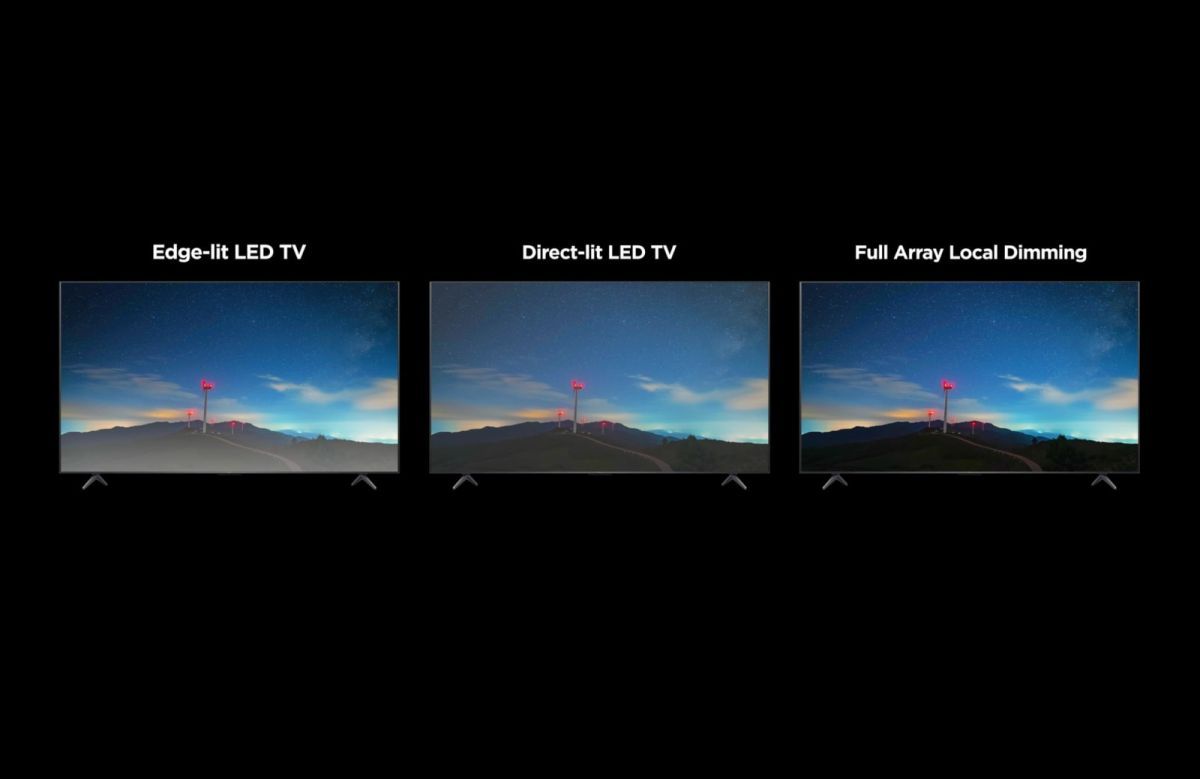
Backlight architecture also matters. Edge‑lit televisions place LEDs around the edges of the screen, offering slimmer designs but less precise localised control. Direct‑lit televisions position LEDs behind the screen, sometimes as a single unit. Full Array Local Dimming (FALD) distributes LEDs across the back of the screen, allowing different sections to be controlled independently – the foundation of TCL’s Mini LED backlight approach.
For TCL, these technical differences are central to its Mini LED television range. The company has incorporated Full Array Local Dimming across its Mini LED range, from entry‑level models to flagship offerings, giving consumers across different price categories access to the technology while allowing them to compare televisions based on actual specifications and performance.
As Mini LED technology continues to gain traction, more television models are likely to carry the label. For buyers, understanding what sits behind the screen will therefore become just as important as the name printed on the box. Before making a purchase, consumers are encouraged to ask about the dimming technology, the number of dimming zones and the backlight architecture. These details offer a clearer indication of what a television can deliver.