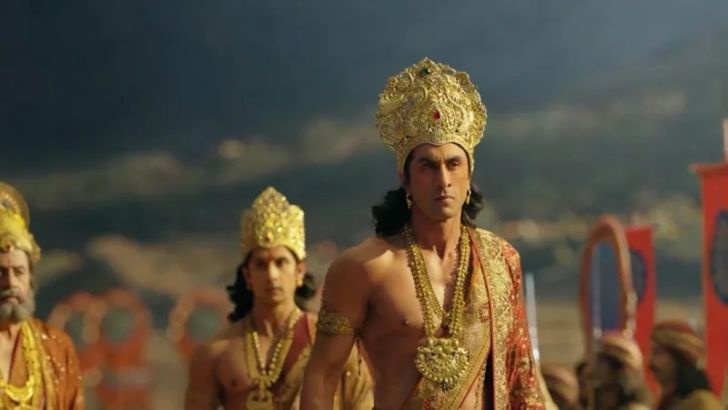
Nitesh Tiwari’s Ramayana: Rise of a Legend, the first of a two‑part saga that reportedly cost $500 million, premiered in cinemas worldwide on 3 November, just days before the Diwali festival.
The film stars Ranbir Kapoor as Lord Ram, Sai Pallavi as Sita and Yash as the ten‑headed king Ravana, with production led by DNEG visual‑effects house and music composed by AR Rahman and Hans Zimmer.
Critics have been divided. NDTV’s Saibal Chatterjee gave it three stars, noting that the spectacle often eclipses the narrative and that the performances are uneven. The Hindustan Times’ Rishabh Suri awarded four stars, praising the scale and effects but calling the first half sluggish. The Indian Express’ Shubhra Gupta also gave three stars, describing the film as a “perfect epic” that manages to sustain its grandeur.
International reviewers echo the split. Peter Bradshaw of The Guardian awarded four stars, calling it a “thoroughly engaging, rousing and spectacular Indian epic melodrama” with echoes of Shakespeare and Homer. In contrast, IGN’s Siddhant Adlakha scored it four out of ten, criticizing the action as “clunky” and the CGI as an “eye‑sore.” Giovanni Lago of Next Best Picture gave it five out of ten, praising Yash’s Ravana but suggesting a series format might have served the story better.
The film also faced technical scrutiny for its use of AI to adjust actors’ lip movements in the English version, a move Tiwari defended as a way to broaden international accessibility.
Ramayana: Rise of a Legend follows a long tradition of Indian adaptations, from Ramanand Sagar’s 1987 television series that captivated millions to the 1992 Indo‑Japanese animated film. The new version arrives at a politically charged moment, as the epic’s characters continue to be invoked in contemporary Hindu identity debates.
With a second part slated for release next year, audiences and critics alike will watch to see if the saga can balance its grand ambition with a compelling story.