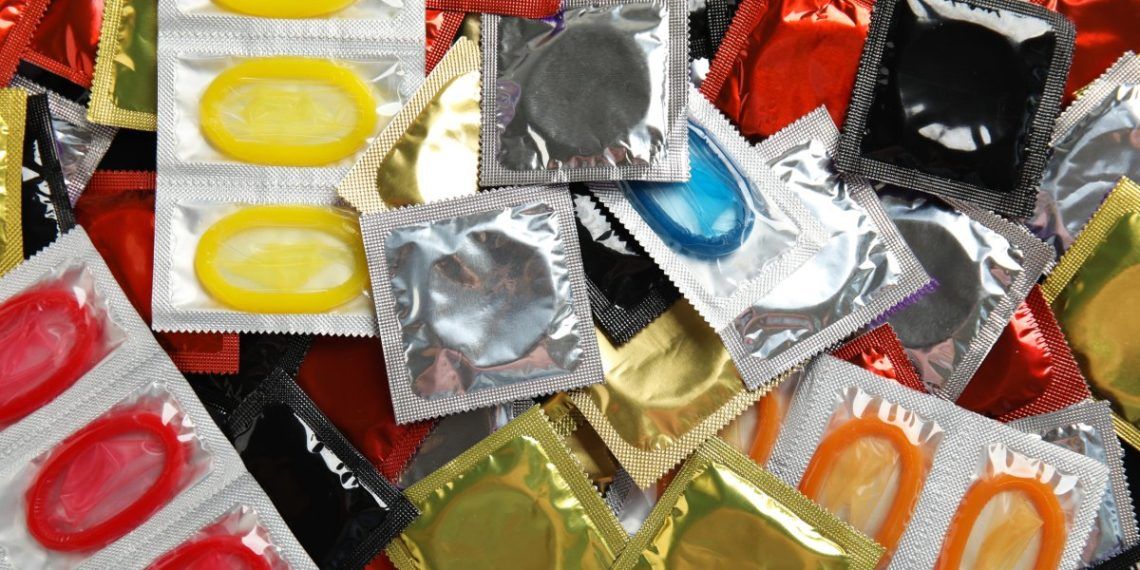
The Ghana AIDS Commission (GAC) has cautioned that a steady decline in condom use among adults engaging in high‑risk sexual activity, coupled with persistent discrimination against people living with HIV, could jeopardise Ghana’s 2030 target to end AIDS as a public health threat.
Speaking at the 15th National HIV and AIDS Partnership Forum in Accra, Director of Research, Monitoring and Evaluation Isaiah Doe Kwao warned that changing sexual behaviour and negative societal attitudes remain major concerns that could undermine prevention gains.
Data from the 2022 Ghana Demographic and Health Survey presented by the Commission showed a consistent drop in condom use during the last high‑risk encounter for men and women aged 15 to 49. For men, use fell from 49% in 2003 to 27.4% in 2022; for women, it slipped from 29% in 2003 to 10.6% in 2022. By 2022, fewer than three in ten men and about one in ten women who reported high‑risk sex had used a condom.
The survey also recorded an increase in high‑risk sexual behaviour over the same period. Among men, the proportion reporting such activity rose from 10.2% in 2003 to 15.1% in 2022, while for women it climbed from 1.1% to 2.2%.
Kwao said the combination of rising high‑risk behaviour and falling condom use presents a serious concern for HIV prevention as Ghana works toward its 2030 goal.
Health officials will need to intensify education, distribution and stigma‑reduction campaigns to reverse these trends and keep the country on track to eliminate AIDS as a public health threat.