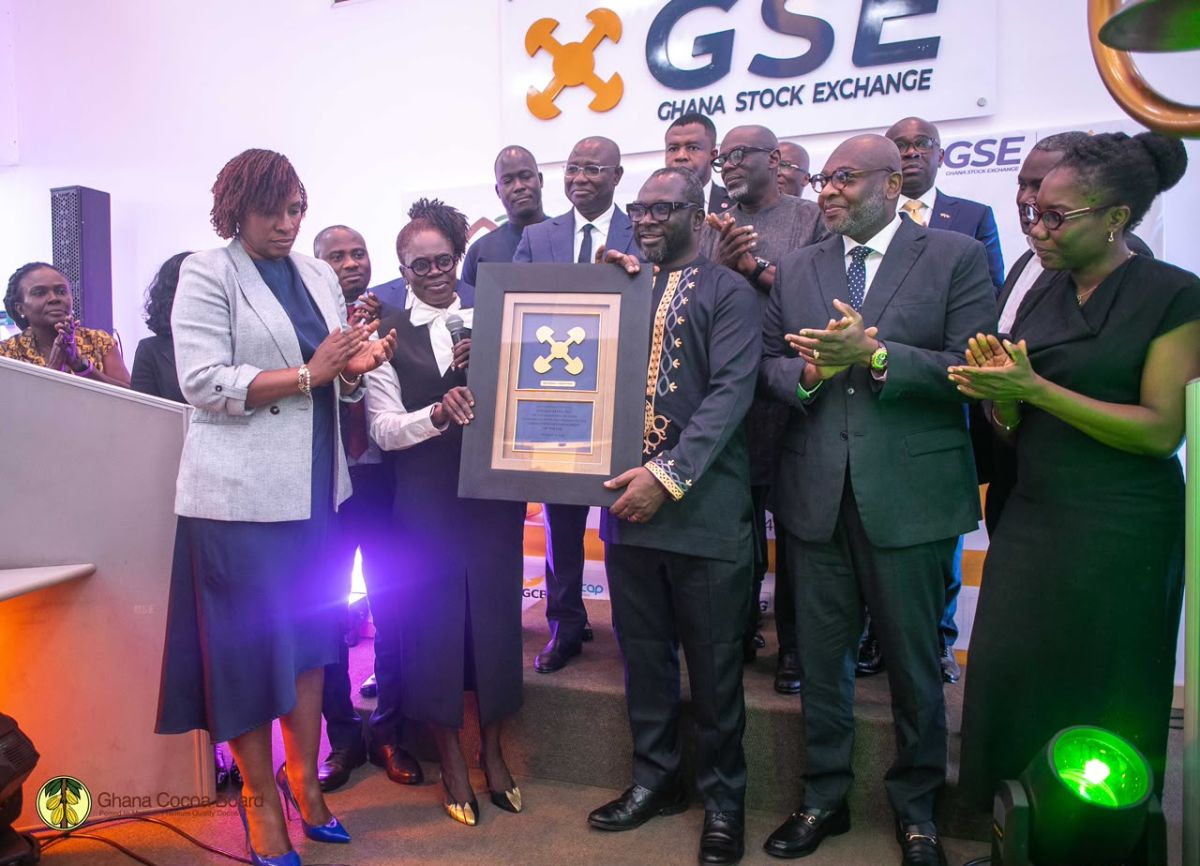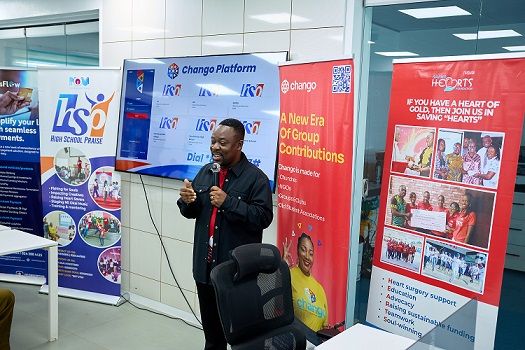
Member of Parliament Kennedy Osei Nyarko of Akim Swedru has voiced strong opposition to proposals to tax ChatGPT, saying the move would undermine education and innovation. In a Facebook post, the MP questioned why the government would consider a tax on the AI platform while abolishing the betting tax, arguing that ChatGPT is widely used for learning, research and other productive activities.
“We cannot abolish the betting tax; rather, we should introduce a tax on ChatGPT, which is for education and innovation. Any tax on ChatGPT is an attack on education and innovation,” he wrote.
The comments come as the Ghana Revenue Authority (GRA) rolls out a new digital VAT collection system on 15 October 2026. The GRA has clarified that the new system does not introduce a new tax or raise the existing VAT rate. Instead, it aims to improve the collection and accounting of taxes already applicable to digital services supplied by non‑resident companies to Ghanaian consumers.
The effective tax rate remains 20%, comprising 15% VAT, a 2.5% National Health Insurance Levy (NHIL) and a 2.5% Ghana Education Trust Fund (GETFund) Levy. About 92 non‑resident digital service providers are currently registered and remitting VAT, and the new system will not add a charge where taxes are already included in subscription prices.
However, the GRA has identified roughly 100 additional non‑resident digital service providers that are not yet charging or remitting the applicable taxes, and these will be progressively brought into the tax net. The authority stresses that this scope is distinct from any specific proposal to impose a separate tax on ChatGPT, and that applicable rules and rates may have changed since 2022.
Nyarko’s stance highlights the tension between tax policy and the growing role of digital technologies in education and innovation. The debate is expected to continue as the GRA finalizes the implementation details of the digital VAT system.