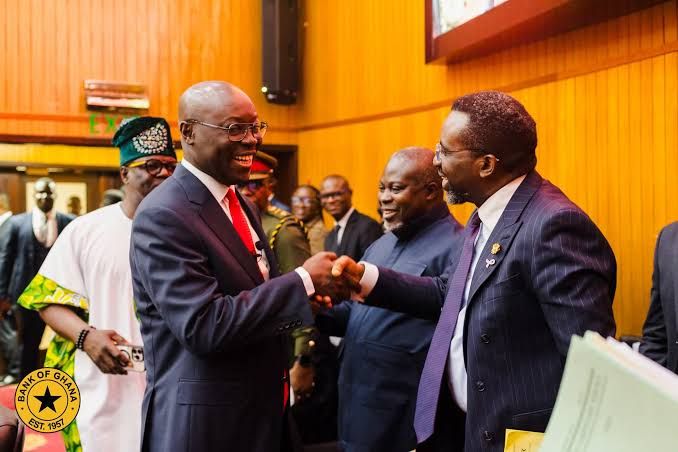
The Bank of Ghana’s September 2026 Monetary Policy Report indicates that Ghana’s economy is picking up momentum, with real GDP expanding 6 % year‑on‑year in the second quarter and headline inflation holding at 5.2 %. The central bank has kept its Monetary Policy Rate steady at 14 % after a steep easing cycle that saw it fall from 25 % in July 2025. The move aims to support growth while safeguarding the modest inflation gains.
Services and industry sectors drove the GDP growth, and the Bank of Ghana’s Composite Index of Economic Activity rose 14.9 % in July, up from 6.1 % a year earlier. Export earnings surged to about US$22.4 billion, with gold receipts alone accounting for US$14.9 billion, lifting the trade surplus to roughly US$8.8 billion in the first eight months of 2026.
Despite these positives, the cedi has weakened, depreciating 7.11 % against the dollar, 7.78 % against the pound and 6.09 % against the euro on the interbank market over the year to August. The currency pressure is a key risk, as foreign‑exchange demand and external shocks continue to strain the market.
Bank lending conditions have improved, with average lending rates falling to 15.9 % in August from 24.2 % a year earlier and private‑sector credit growth accelerating to 29 %. However, banks warn that lower rates could squeeze margins, with profit after tax down 5.7 % to GH¢9.2 billion.
Fiscal performance has also strengthened, with a provisional deficit of 0.2 % of GDP for January‑July 2026, below the programmed target of 1.9 %. The primary balance on a commitment basis recorded a surplus of 1.4 % of GDP.
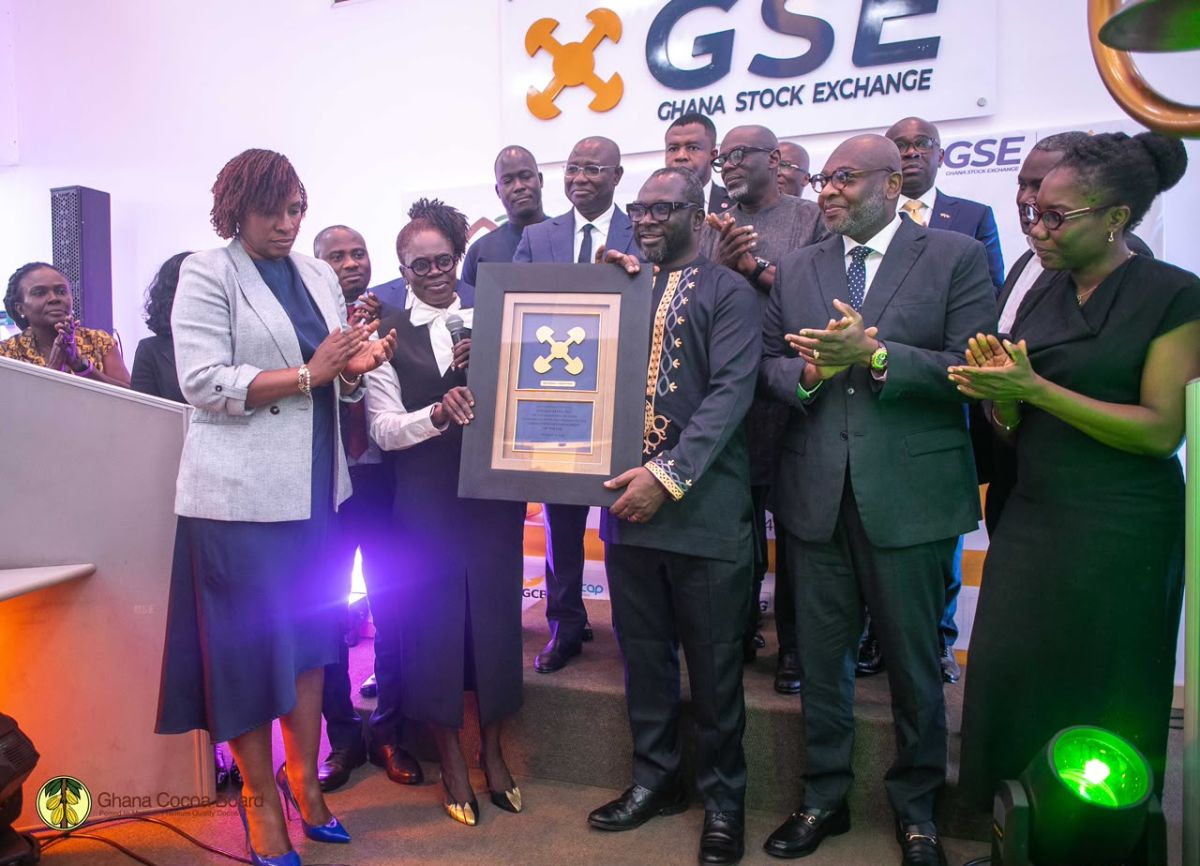
The Ghana Stock Exchange Composite Index finished August 2026 at 15,076.3 points, up 105.7 % year‑on‑year, reflecting growing investor appetite for equities amid lower fixed‑income yields and expectations of better corporate earnings.
While the outlook remains cautiously optimistic, the recovery is still exposed to cedi depreciation, commodity price volatility and the persistence of bad loans in the banking sector. Sustained growth will hinge on maintaining fiscal discipline, strengthening asset quality and managing external shocks.