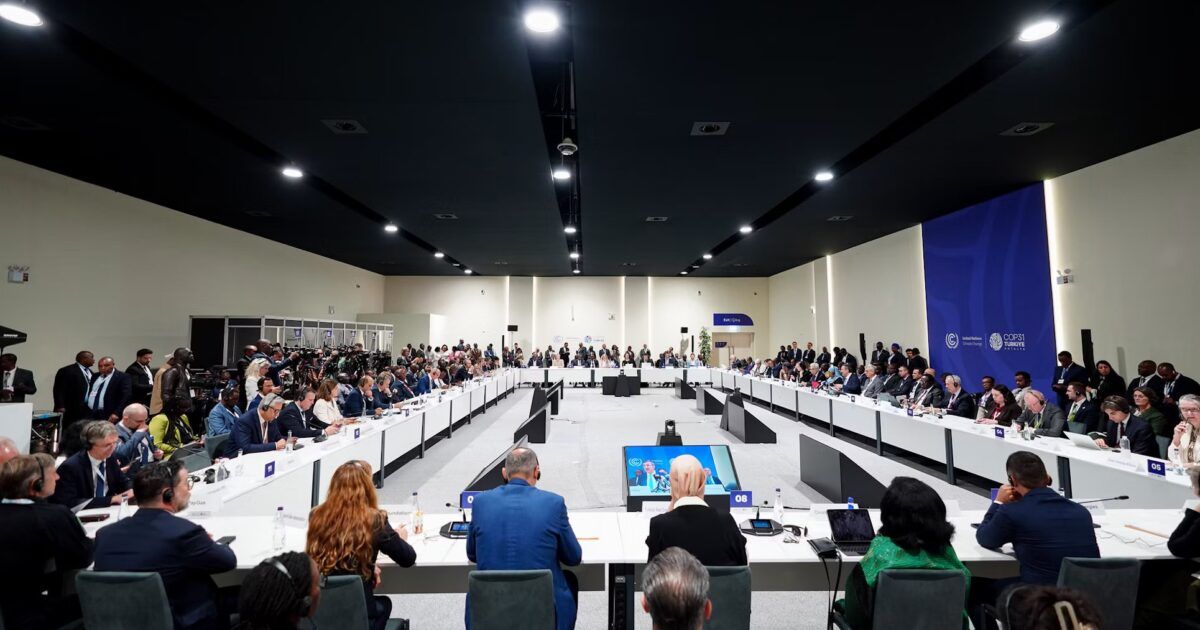
Tanzania, Lesotho and Uganda presented their clean‑cooking achievements at a Leaders’ Roundtable on Clean Cooking in Africa in Antalya, Turkey, on 12 November. The event, co‑hosted by the COP31 Presidency, the International Energy Agency (IEA) and the Clean Cooking Alliance, highlighted how the three countries are expanding household cooking solutions while the promised financing remains largely unfulfilled.
President Samia Suluhu Hassan of Tanzania reported that clean‑cooking access has risen from 16 % in 2022 to 28.6 % in March 2024, with a target of 35 % by the end of 2026. She cited rural electrification, lower electricity tariffs, LPG subsidies and tax incentives as key drivers. By March 2026 the government had distributed more than 346,000 subsidised LPG cylinders, over 49,000 induction stoves and 7,000 electric cookers. The Cook Fund programme has benefited more than 413,000 households, nearly two million people, and reached 45 public institutions, cutting an estimated 3.8 million tonnes of CO₂e.
Deputy Prime Minister Justice Nthomeng Majara of Lesotho explained that the country’s energy needs extend beyond cooking to space heating. Lesotho piloted electric pressure cookers in five schools in 2022 with the World Food Programme and the Modern Energy Cooking Services programme, and is now producing improved cookstoves locally. A renewable‑energy initiative aims to produce 9,194 improved cookstoves by 2028, with 60 % earmarked for female‑headed households, underscoring the link between energy poverty and gender inequality.
Uganda’s representative noted that clean cooking is not merely an energy issue. Uganda targets universal access by 2040, with a 50 % interim goal by 2030. The country has introduced a dedicated electric cooking tariff, piloted electric cooking in schools and issued Executive Order No. 3 banning charcoal. Despite these steps, the availability and cost of alternatives remain a challenge.
All three nations called for greater concessional financing, private‑sector investment and targeted support to make clean‑cooking technologies affordable for low‑income and rural households. Justice Majara added that innovative and results‑based financing instruments are essential.
At the first Summit on Clean Cooking in Africa in Paris in 2024, leaders pledged US$2.2 billion. IEA Executive Director Fatih Birol revealed that roughly a third of that—about US$740 million—has been disbursed, leaving US$1.46 billion still to come. President Samia noted that an additional US$900 million had since been mobilised, bringing total commitments to about US$3.1 billion. Kenya’s special envoy, Ambassador Ali Mohamed, and OPEC Fund President Abdulhamid Alkhalifa stressed that Africa needs at least US$2–4 billion a year for clean cooking.
Leaders will reconvene at the second Summit on Clean Cooking in Africa in Nairobi, Kenya, on 27–28 January 2027, co‑chaired by Birol and President William Ruto. President Samia summed up, “Clean cooking is not simply an energy issue but an investment in human development, women’s empowerment, economic opportunity and climate resilience.”