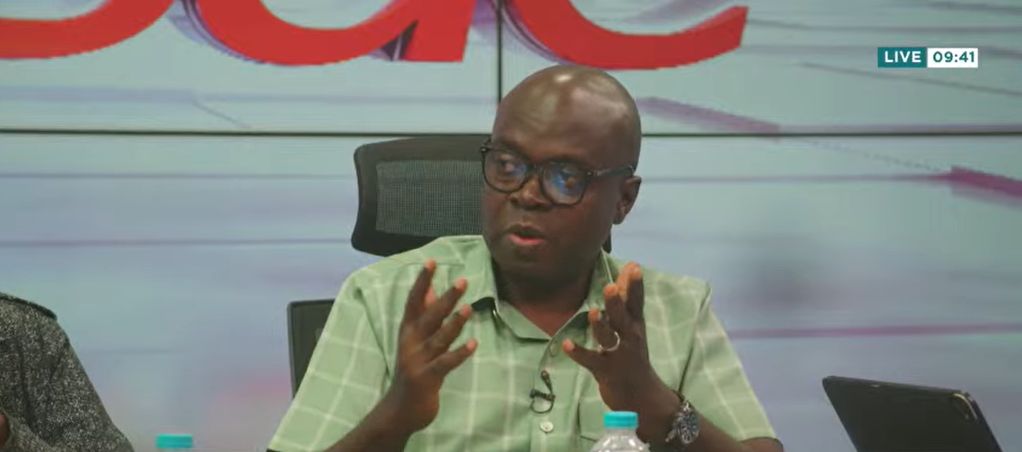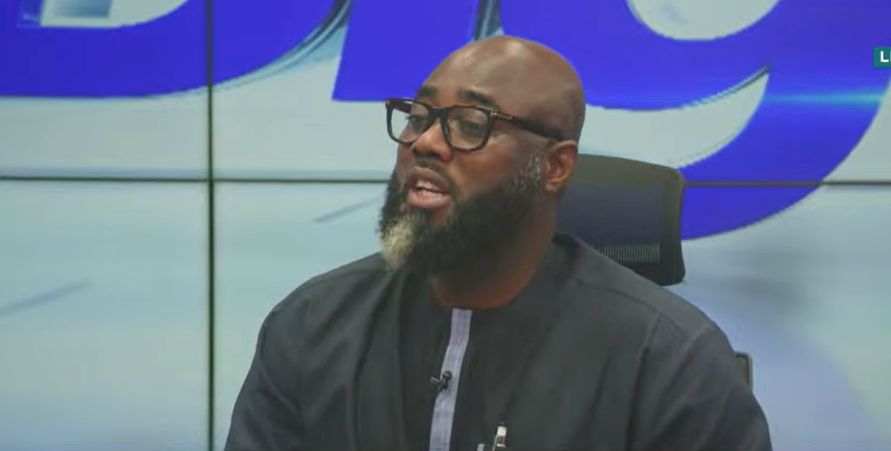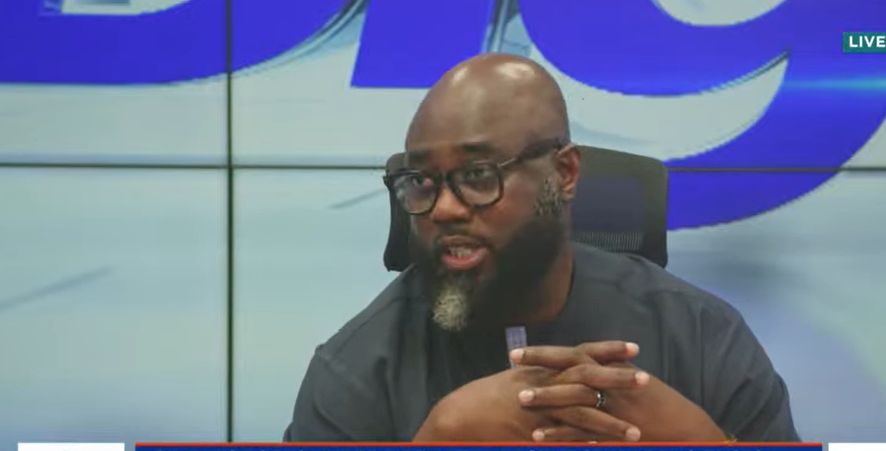
Security analyst Emmanuel Kutin told Channel One TV’s The Big Issue on Saturday that Ghana’s fight against cocaine trafficking should focus on rooting out corruption and improving the logistics of its security agencies, not on a militarised approach against drug cartels.
Kutin said Ghana lacks the resources to wage an armed confrontation against sophisticated international drug networks and must instead address the weaknesses that allow traffickers to operate through the country’s territory and coastline. He noted that while countries like Colombia and the United States have adopted a military‑style war on drugs, such a model does not fit Ghana, which he described as “so poor” and where the problem is corruption and logistics, not armed confrontation.
The analyst highlighted that international cartels are increasingly turning to West Africa as pressure mounts elsewhere, with Ghana’s coastline offering opportunities for drug trafficking. He questioned the country’s capacity to patrol its maritime territory, pointing out that traffickers often use sophisticated boats and conduct exchanges at sea.
He also criticised what he saw as inadequate funding and logistical support for Ghana’s drug enforcement institutions, arguing that the resources available were insufficient to confront the scale and sophistication of the threat. Kutin warned that the growing number of drug‑related arrests should not automatically be taken as evidence that security agencies were failing, noting that increased arrests could reflect more drugs circulating, improved surveillance, or both.
Calling on political parties to set aside partisan interests, Kutin urged that the narcotics menace be treated as a national security issue. His comments come amid renewed concerns about Ghana’s links to international drug trafficking following a series of seizures overseas involving consignments traced to the country. On November 11, Spanish authorities seized 2.6 tonnes of cocaine concealed in a shipment of coconuts from Ghana, leading to arrests after the consignment was tracked from the port of Valencia to a warehouse in Almería.
He stressed that no single country can effectively tackle the drug trade in isolation, making international intelligence‑sharing and cooperation essential to disrupting the networks behind the shipments. The next step for Ghana, Kutin said, is to build a coordinated intelligence framework and secure the necessary funding to support its security agencies.