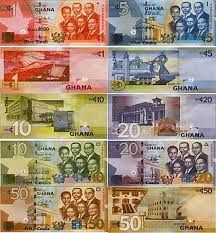
In 2025 the Bank of Ghana achieved a historic milestone when the cedi appreciated 40.7 percent against the U.S. dollar, its strongest annual gain in more than three decades and the best performance among African currencies on IMF data.
Headline inflation fell sharply from 54.1 percent in late 2022 to 5.4 percent by year‑end, and the country’s international reserves climbed to a record US$13.83 billion.
However, the same year the Bank’s audited statements, released on 30 April 2026, showed a net operating loss of GHS 15.63 billion, up from GHS 9.49 billion in 2024, and a further loss of GHS 19.32 billion in other comprehensive income. The combined loss of GHS 34.95 billion pushed cumulative negative equity to about GHS 96.3 billion.
These figures, taken in isolation, appear catastrophic, but they reflect the cost of unilateral monetary intervention in a system that normally relies on coordinated action. The Bank of Ghana, acting alone under a US$3 billion IMF Extended Credit Facility, absorbed the fiscal burden that in past crises would have been shared among major economies.
Analysts note that Ghana’s experience mirrors the 1985 Plaza Accord and 1987 Louvre Accord, where coordinated dollar sales stabilized the currency at a collective cost. In Ghana’s case, the Bank’s aggressive, sustained intervention succeeded in stabilising the cedi but left the central bank’s balance sheet heavily burdened.
With the Bank of Ghana Act mandating price stability and a stable cedi path, the institution must trade equity for currency stability, a trade‑off that will shape policy debates in the coming years.